
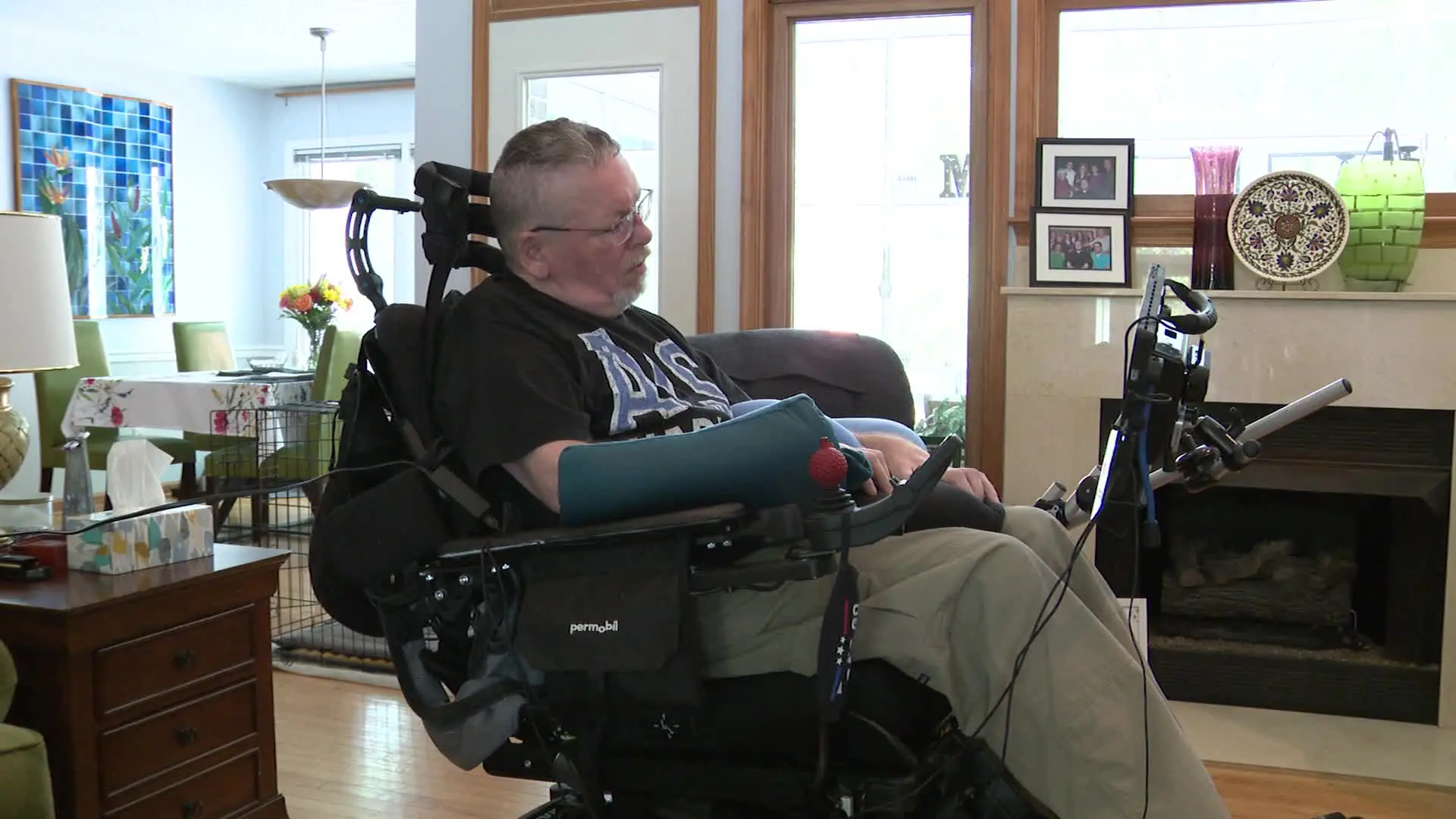
ALS destroys nerve cells in the brain and spinal cord. It varies because each person with ALS experiences a different proportion of upper and lower motor neurons that die.
Advertisement
There is no known way to definitively prevent ALS. The exact cause of this degeneration is not fully understood, especially since many cases are sporadic but researchers believe it is likely a combination of genetic and environmental factors.
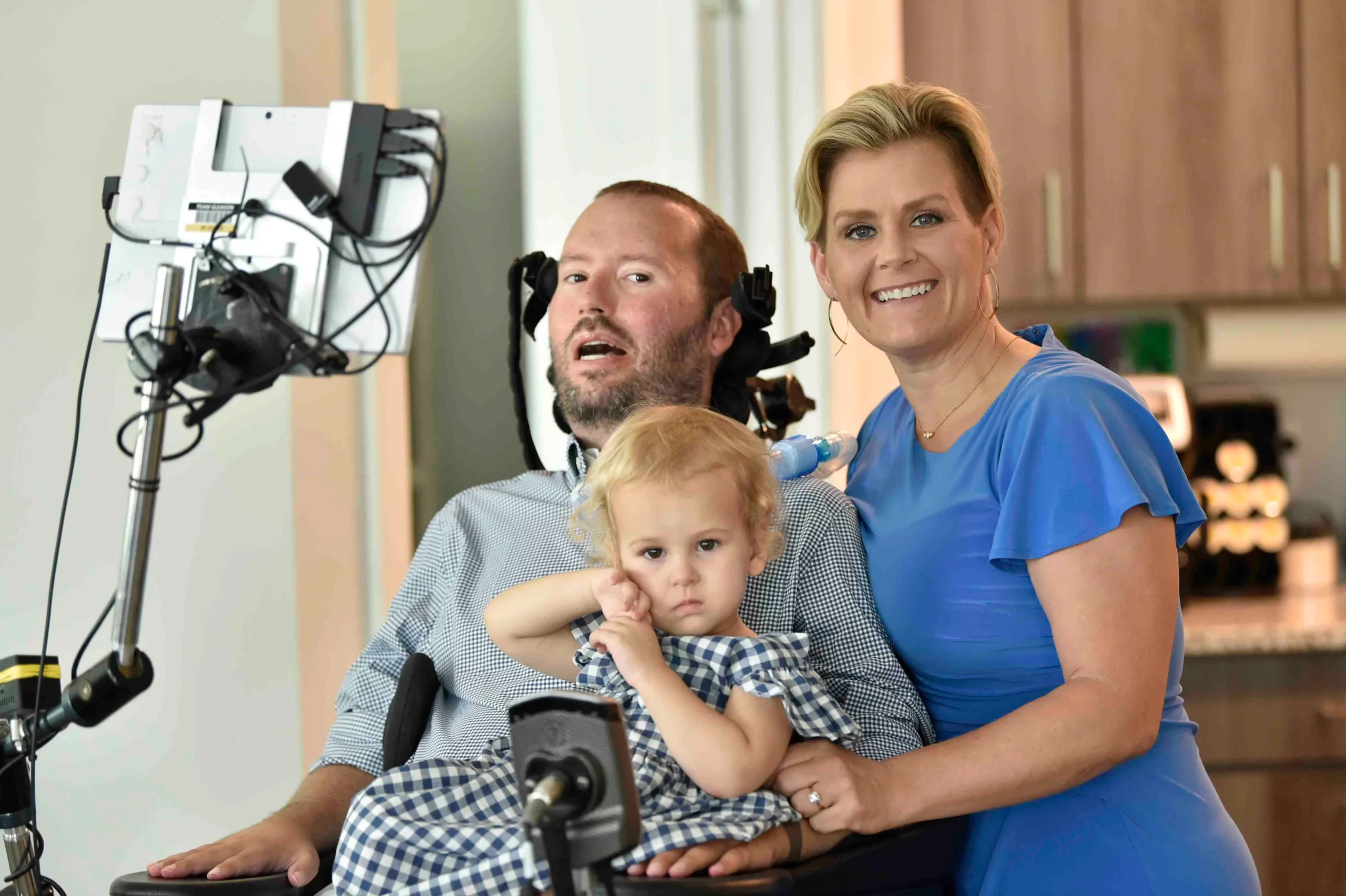
Unfortunately, there is no way to avoid ALS. Initial signs may include muscle twitching, cramping, and weakness in the hands, feet, or limbs.
Advertisement
However, as the disease progresses, patients may experience difficulty speaking, swallowing, and performing everyday tasks. Respiratory muscles may also be affected, resulting in breathing difficulties and respiratory failure.
The treatment of ALS aims to slow down the disease progression, prevent complications, and improve the quality of life of people living with ALS.
The average life expectancy after diagnosis is 2 to 4 years. However, some people live longer with the help of treatments and supportive care.
Leave a Reply