
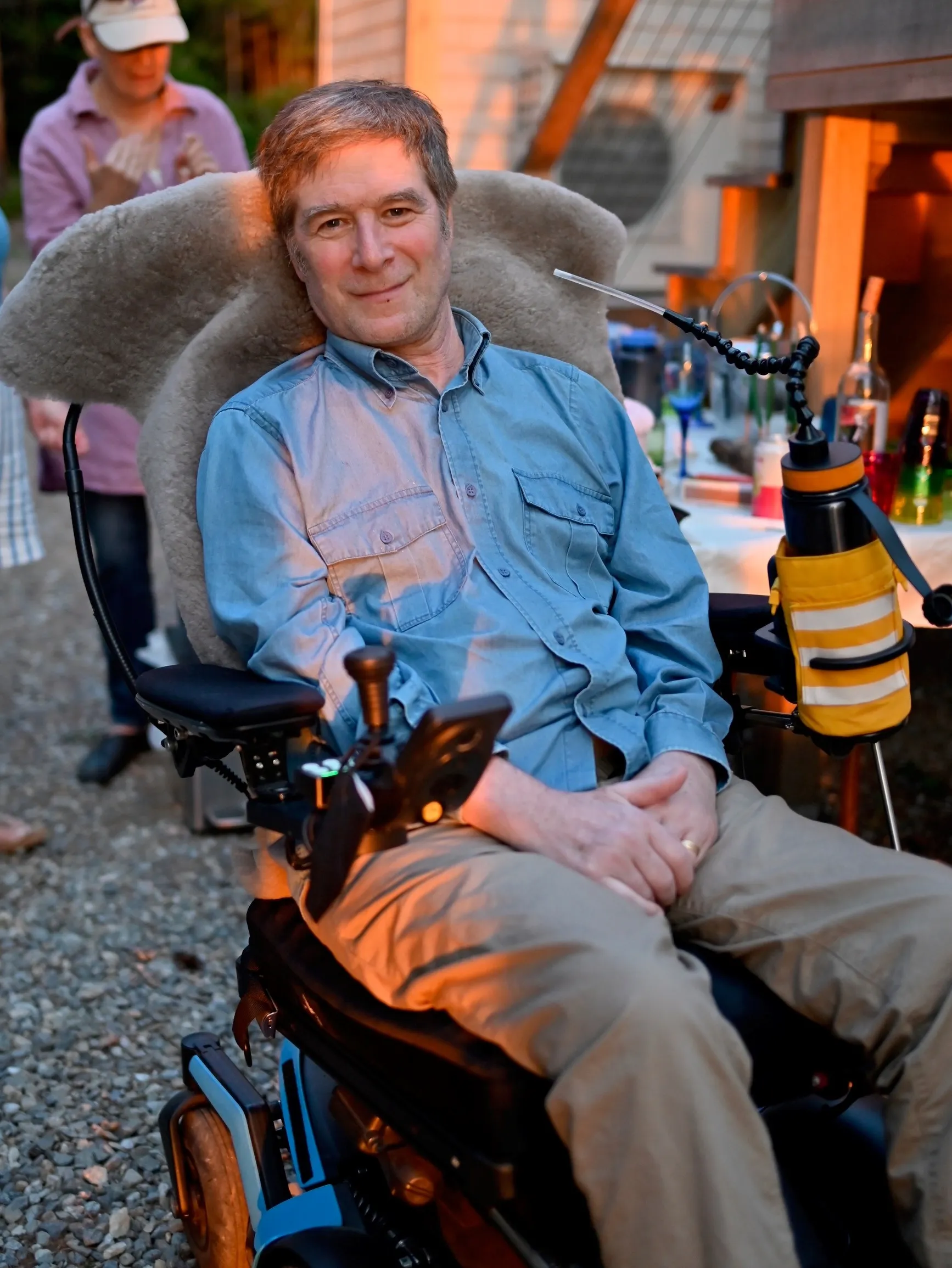
The exact cause of ALS is unknown, but about 10% of cases are inherited, while the rest are sporadic. Research suggests a complex interplay of genetic and environmental factors involved in the occurrence of ALS.
Advertisement
ALS cannot be prevented. There is also no cure for ALS and the average life expectancy after diagnosis is 2 to 4 years. However, some people live longer with the help of treatments and supportive care.
Advertisement
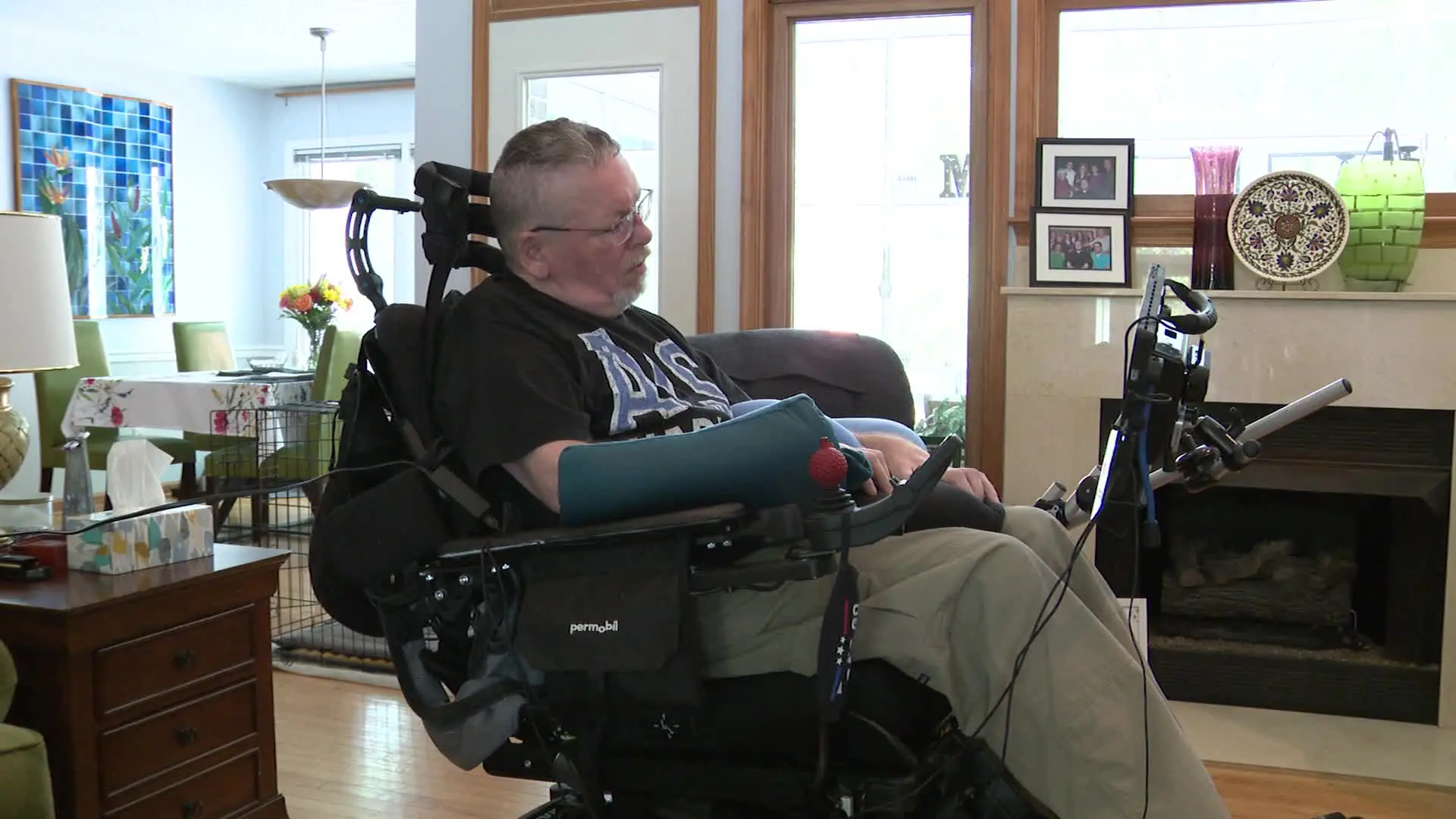
ALS primarily targets motor neurons, the nerve cells responsible for transmitting signals from the brain to muscles throughout the body. As these motor neurons degenerate and die, the muscles they innervate weaken and waste away.
Over time, this degeneration results in a progressive loss of muscle function, leading to difficulties in speech, swallowing, breathing, and even basic movement.
The treatment of ALS aims to slow down the disease progression, prevent complications, and improve the quality of life of people living with ALS.
Leave a Reply