
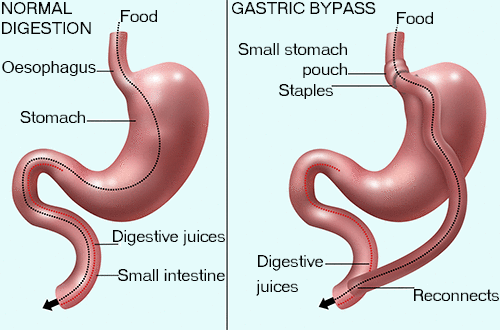
Six complications related to bariatric surgery are acid reflux, anesthesia-related risks, chronic nausea and vomiting, dilation of esophagus, stomach obstruction, and infection.
Advertisement
What is the biggest complication that can happen to a bariatric patient’s wound?
The worst complication that can result from a bariatric surgery is an anastomotic leak, because it increases morbidity and mortality, and it can take months to rectify.
About Bariatric Surgery
Bariatric surgery comprises of a number of procedures to reduce obesity, and lose weight on a long term, by altering the hormones responsible for hunger and satisfaction.
The goal of the surgery is to reduce the size of the stomach and redirect the digestive process to limit food intake and absorption.
Advertisement

Photo Credit: MyUpchar
The most common types of bariatric surgery include gastric bypass, sleeve gastrectomy, and adjustable gastric banding.
Like any surgical procedure, bariatric surgery carries some degree of risk, including infection, bleeding, and adverse reactions to anesthesia.
Subsequently, patients must be ready to adapt to significant lifestyle changes, including adopting a healthy diet, incorporating regular exercise, and attending follow-up appointments for ongoing monitoring.
In addition, bariatric surgery can improve emotional eating patterns by altering hunger and satisfaction hormones, helping individuals regain control over their consumption of food.
Leave a Reply