
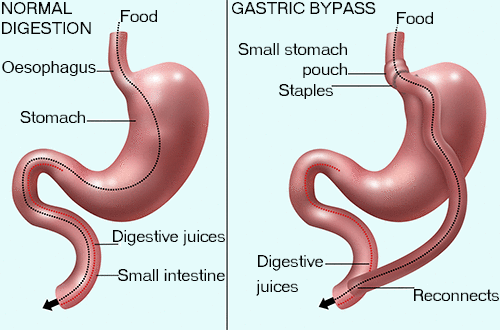
Individuals whose body mass index (BMI) is 40 and above, or are extremely obese, stand a risk of undergoing a bariatric surgery.
Advertisement
What is the risk after bariatric surgery?
Bariatric surgery comes with the risk of having dumping syndrome, which can lead to nausea and dizziness. There is also the risk of having low blood sugar, infection, bleeding, and adverse reactions to anesthesia.
About Bariatric Surgery
Bariatric surgery is a medical procedure that aims at reducing the size of the stomach and redirecting the digestive process to limit food intake and absorption.
It is usually required for people who desire to lose significant amount of weight, and over time, it has been considered a potential life-changing option.
Advertisement

Photo Credit: MyUpchar
The most common types of bariatric surgery include gastric bypass, sleeve gastrectomy, and adjustable gastric banding.
Bariatric surgery offers the advantage of achieving long-term weight loss, which can improve overall health and reduce the risk of obesity-related conditions such as diabetes, heart disease, and sleep apnea.
In addition, weight loss achieved through bariatric surgery can lead to increased mobility, improved self-esteem, and enhanced quality of life.
Leave a Reply