

British national, Colin Pitchfork is the first person who was convicted of rape and murder using DNA profiling after he murdered two girls in neighboring Leicestershire villages in 1983 and 1986.
Advertisement
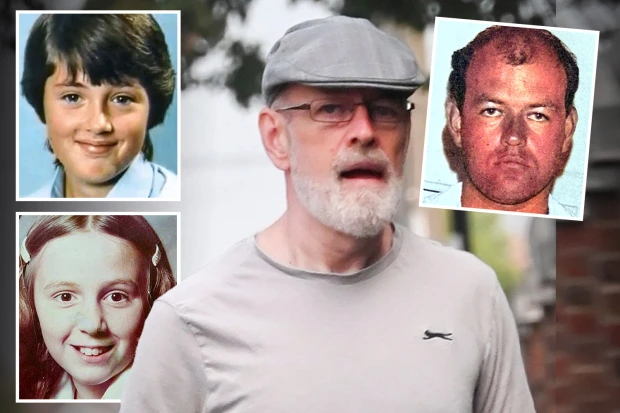
He committed his first known crime on November 21, 1985. It happened when a 15-year-old girl named Lynda Mann took a shortcut on her way home from babysitting instead of taking her normal route home. After being away for hours leading into the night, her parents and neighbors spent all night looking for her.
Unfortunately, she was found raped and strangled on a deserted footpath known locally as Black Pad the next morning. Using forensic science techniques available at the time, police linked a semen sample taken from her body to a person with type A blood, and an enzyme profile that matched only 10% of males. The case was left open after no concrete evidence was fished out.
The second crime happened on July 21, 1986, when another 15-year-old girl named Dawn Ashworth left her home to visit a friend’s house. She was expected to return home at 9:30 pm, but she didn’t show up and her parents had to lodge a missing person complaint at the police station.
Advertisement
Two days later, her lifeless body was found in a wooded area near a footpath called Ten Pound Lane. She had been beaten, savagely raped and strangled. The modus operandi matched that of the first attack, and semen samples revealed the same blood type.
A local boy called Richard Buckland, aged 17, was the initial suspect, however, he was proven innocent of both crimes. In 1985, Alec Jeffreys who was a genetic researcher at the University of Leicester developed DNA profiling along with Peter Gill and Dave Werett of the Forensic Science Service.
More than 5,000 local men were asked to volunteer blood and saliva samples; an operation that took six months. However, no matches were found. On August 1, 1987, one of Colin Pitchfork’s colleagues named Ian Kelly revealed to fellow workers that he had taken the blood test posing as Pitchfork.
According to him, Pitchfork had shared with him that he wanted to avoid being harassed by police because of prior convictions for indecent exposure. One of the workers then reported the issue to the police.
After Pitchfork’s arrest on September 19, 1987, he admitted to exposing himself to more than one thousand women, adding that he sexually assaulted and strangled the victims. Stating that he did so to protect his identity. He was initially sentenced to 30 years in 2009, however, a plea deal reduced the sentence to 28 years.
Leave a Reply