

Unraveling the challenges of the pommel horse reveals why it is often regarded as one of the most difficult events in gymnastics. This apparatus demands not only exceptional strength and balance but also a high degree of technical skill and mental focus.
Advertisement
Unlike other gymnastics events, the pommel horse requires athletes to perform continuous, fluid movements while supporting their entire body weight on their hands, all while navigating the unique challenges posed by its design.
As gymnasts swing and rotate around the pommels, they must maintain precision and control, making it a true test of athleticism and artistry.
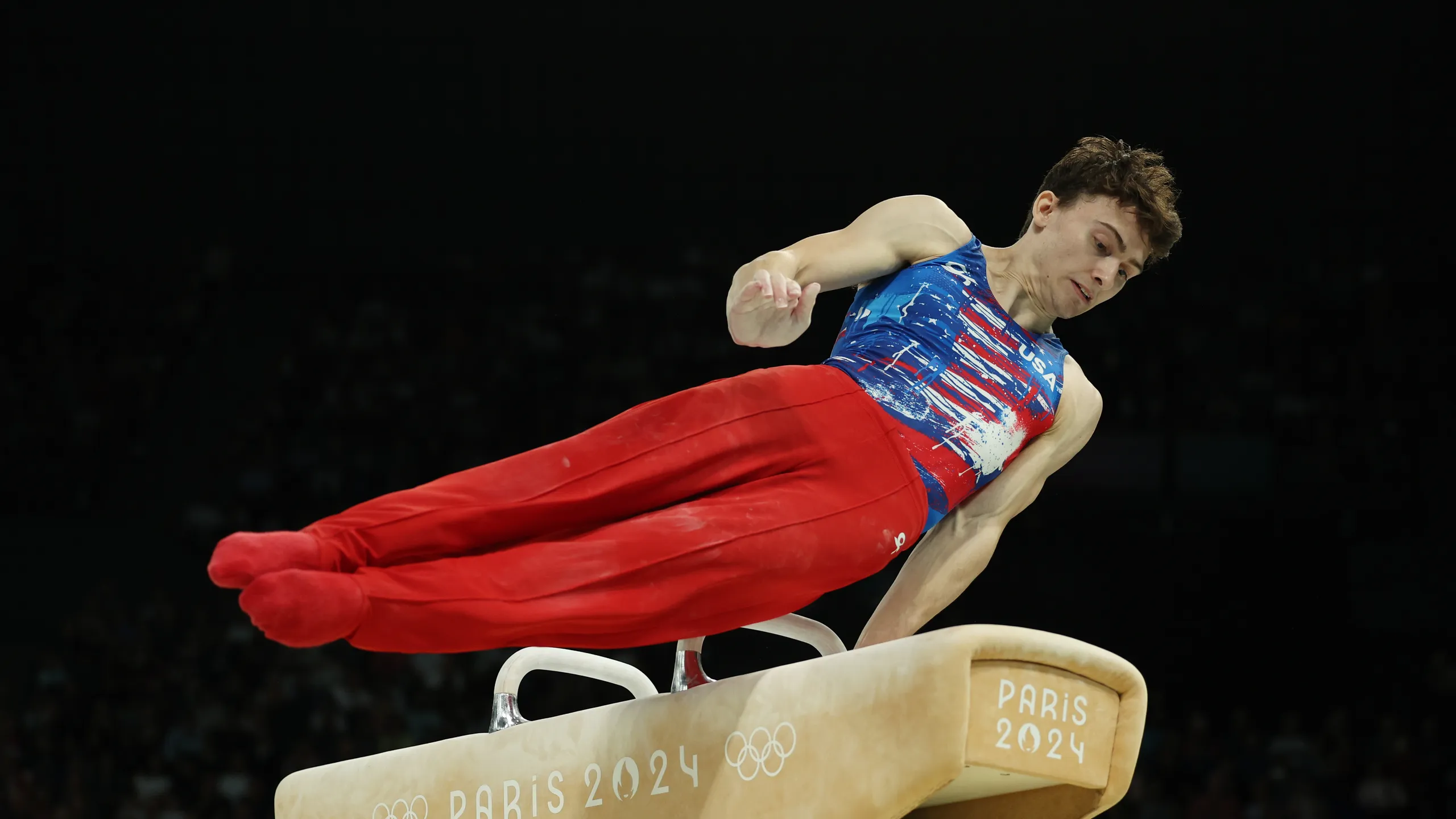
The Unique Design of the Pommel Horse
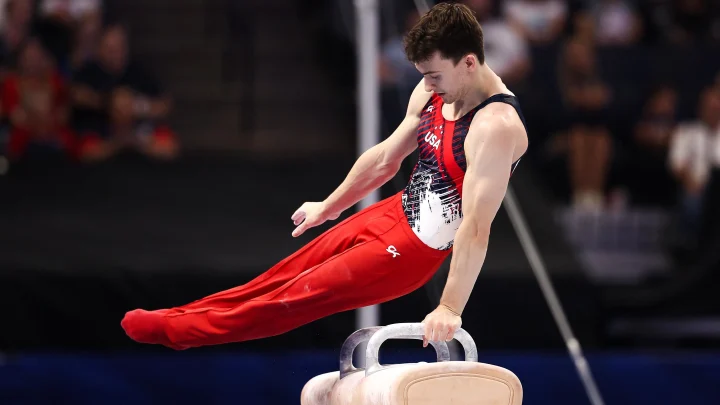
The pommel horse is a specialized apparatus featuring a padded, cylindrical body with two handles (pommels) on top. This design allows gymnasts to perform a variety of skills, including circles, scissors, and flairs.
The height of the pommel horse, typically around 105 cm, adds to the challenge, as gymnasts must generate enough momentum and strength to execute their routines effectively. The requirement to maintain balance while transitioning between different movements places significant demands on a gymnast’s core strength and coordination.
Physical Demands
Performing on the pommel horse requires a unique combination of strength, flexibility, and endurance. Gymnasts must develop substantial upper body strength to support their weight and execute skills with precision. The continuous swinging motion engages the core muscles, while the legs must remain active to control movements and maintain rhythm.
As a result, many gymnasts dedicate extensive training to building the specific muscle groups needed for pommel horse routines, often incorporating strength training and conditioning exercises into their regimens.
Technical Complexity
The technical complexity of pommel horse routines is another factor that contributes to its difficulty. Gymnasts must master a series of interconnected skills, each requiring precise timing and coordination. For instance, the transition between circles and scissors demands a keen sense of body awareness and control.
Advertisement
Additionally, gymnasts often face the challenge of performing these skills in a continuous flow, which requires not only physical skill but also mental focus to avoid breaks in rhythm or form.
Mental Challenges
The pommel horse is as much a mental challenge as it is a physical one. The pressure of performing in front of judges and an audience can be daunting, and the risk of falls or mistakes can lead to anxiety.
Gymnasts must cultivate mental resilience to overcome these challenges, often employing visualization techniques and mindfulness practices to enhance their focus and confidence.
The ability to remain calm under pressure is crucial for success on the pommel horse, as even minor lapses in concentration can result in significant deductions in scoring.
Training and Preparation
To excel on the pommel horse, gymnasts must engage in rigorous training that focuses on both skill development and physical conditioning. Coaches often emphasize the importance of mastering fundamental skills before progressing to more advanced elements.
Drills that build strength, flexibility, and coordination are essential, as they lay the groundwork for more complex routines. Additionally, gymnasts frequently practice routines repetitively to build muscle memory and confidence, ensuring that they can perform under competitive conditions.
The pommel horse stands out as one of gymnastics’ most challenging events due to its unique combination of physical demands, technical complexity, and mental challenges. Success on this apparatus requires years of dedicated training, a deep understanding of body mechanics, and the ability to perform under pressure.
As gymnasts continue to push the boundaries of what is possible on the pommel horse, they not only showcase their athletic prowess but also inspire future generations to take on the challenges of this demanding discipline.
Leave a Reply