

Understanding the specifications and markings on a rangefinder can significantly enhance your experience and ensure you make the most of this valuable tool.
Advertisement
Among the various indicators you’ll encounter, the numbers and the acronym “TBR” (True Ballistic Range) are particularly important. Let’s explore what these numbers and TBR mean, and how they can impact your use of a rangefinder.
The numbers displayed on a rangefinder typically represent the distance to the target. Here’s a breakdown of what these numbers indicate:

- Distance Measurement: The primary function of a rangefinder is to measure the distance to a target. This distance is usually displayed in yards or meters, depending on the settings of the device. For example, if you see “150” on the display, it means the target is 150 yards or meters away.
- Accuracy Margin: Many rangefinders include a specification indicating their accuracy, often expressed as a range. For instance, a rangefinder might state an accuracy of ±1 yard. This means that the actual distance could be 1 yard more or less than what the device indicates. Understanding this margin is crucial for applications where precision is vital, such as hunting or shooting.
- Maximum Range: Rangefinders also specify their maximum effective range, which indicates the furthest distance they can measure accurately. This can vary widely between models, with some capable of measuring distances over 1,000 yards, while others may be limited to shorter ranges.
What Does TBR Mean?
TBR stands for True Ballistic Range, a feature found in many modern rangefinders, particularly those designed for hunting and shooting. True Ballistic Range is a calculated distance that takes into account not only the horizontal distance to the target but also the effects of elevation and atmospheric conditions.
Advertisement
This is particularly important when shooting at angles, such as when hunting on hilly terrain. TBR helps shooters determine the correct holdover or adjustments needed for their riflescope.
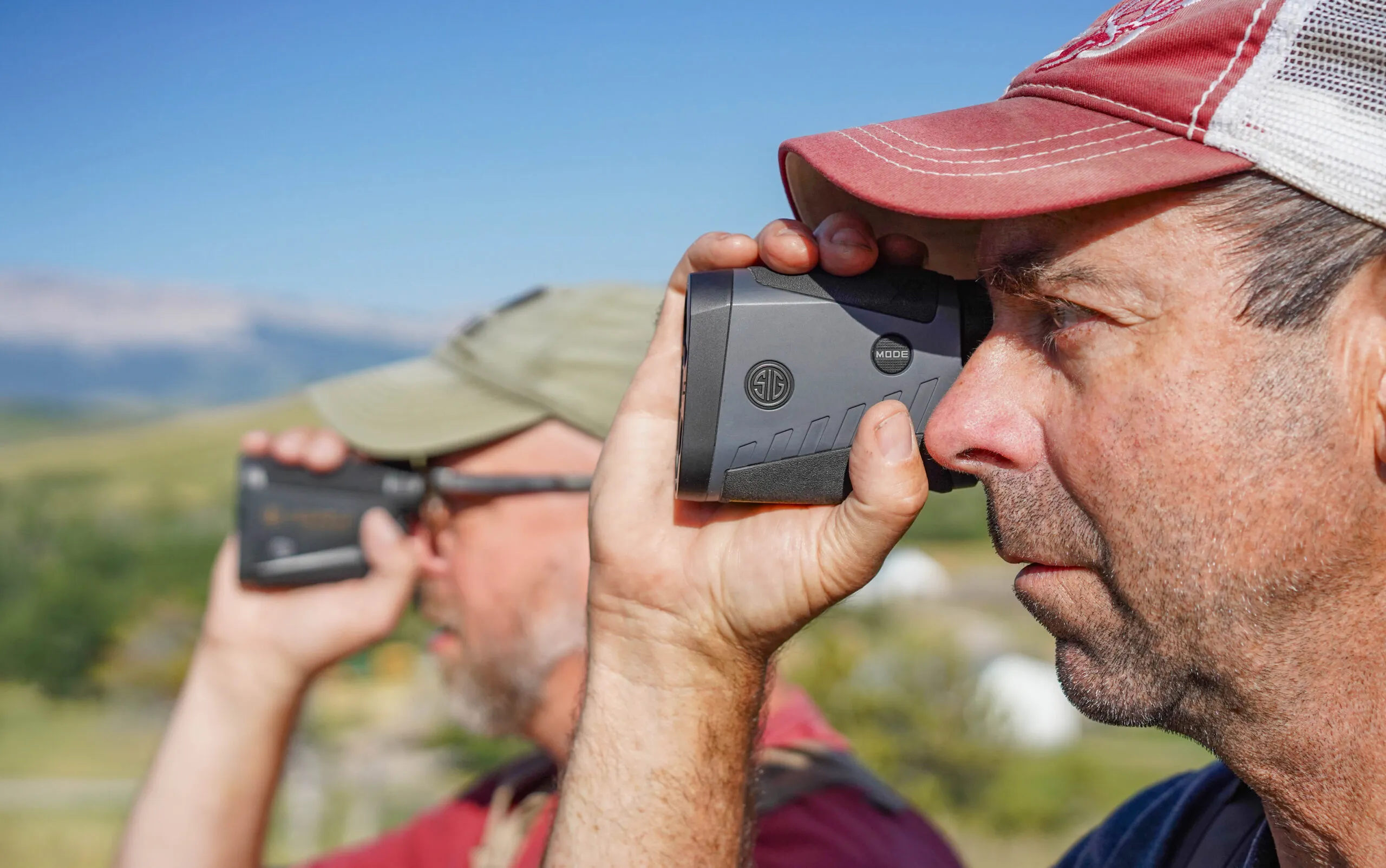
By providing a distance that accounts for the angle of the shot, TBR ensures that the shooter can make more accurate shots, especially at longer distances where even slight errors can lead to misses.
When you use a rangefinder with TBR, it typically measures the angle to the target along with the straight-line distance. The rangefinder then calculates the true distance you need to shoot, factoring in the angle of elevation or depression.
For example, if you’re aiming at a deer on a slope, the TBR will give you the distance you should aim for to hit the target accurately.
Practical Applications
- Hunting: Knowing the exact distance to your target and accounting for elevation changes can make a significant difference in your success rate. TBR allows you to adjust your aim accordingly, improving your chances of a clean shot.
- Shooting Sports: For competitive shooters, the ability to accurately measure distance and adjust for ballistic drop is crucial. Rangefinders with TBR can help shooters make precise calculations, leading to better performance.
- Golfing: While TBR may not be as critical in golf, knowing the distance to the flag can help players make informed club selections and improve their overall game.
Leave a Reply