

When it comes to measuring distances on the golf course, two popular technologies stand out: GPS devices and laser rangefinders. Each offers unique advantages and limitations, choosing between them is a matter of personal preference and specific needs.
Advertisement
Let’s explore the key differences between GPS and rangefinders, helping you determine which tool is superior for your golfing experience.

GPS devices, including handheld units and wristwatches, utilize satellite technology to provide golfers with distances to various points on the course. They typically offer:
- Dynamic Distances: GPS devices provide distances to the front, middle, and back of the green, as well as to hazards like bunkers and water. This comprehensive information helps golfers make informed decisions about their shots.
- Course Mapping: Many GPS devices come pre-loaded with maps of golf courses, allowing players to see the layout and plan their strategy accordingly. Some models even update course maps based on user feedback, ensuring accuracy with course changes.
- Convenience: GPS devices are user-friendly and require minimal setup. With just a glance at your wrist or handheld device, you can quickly access the information you need without aiming or focusing on a specific target.
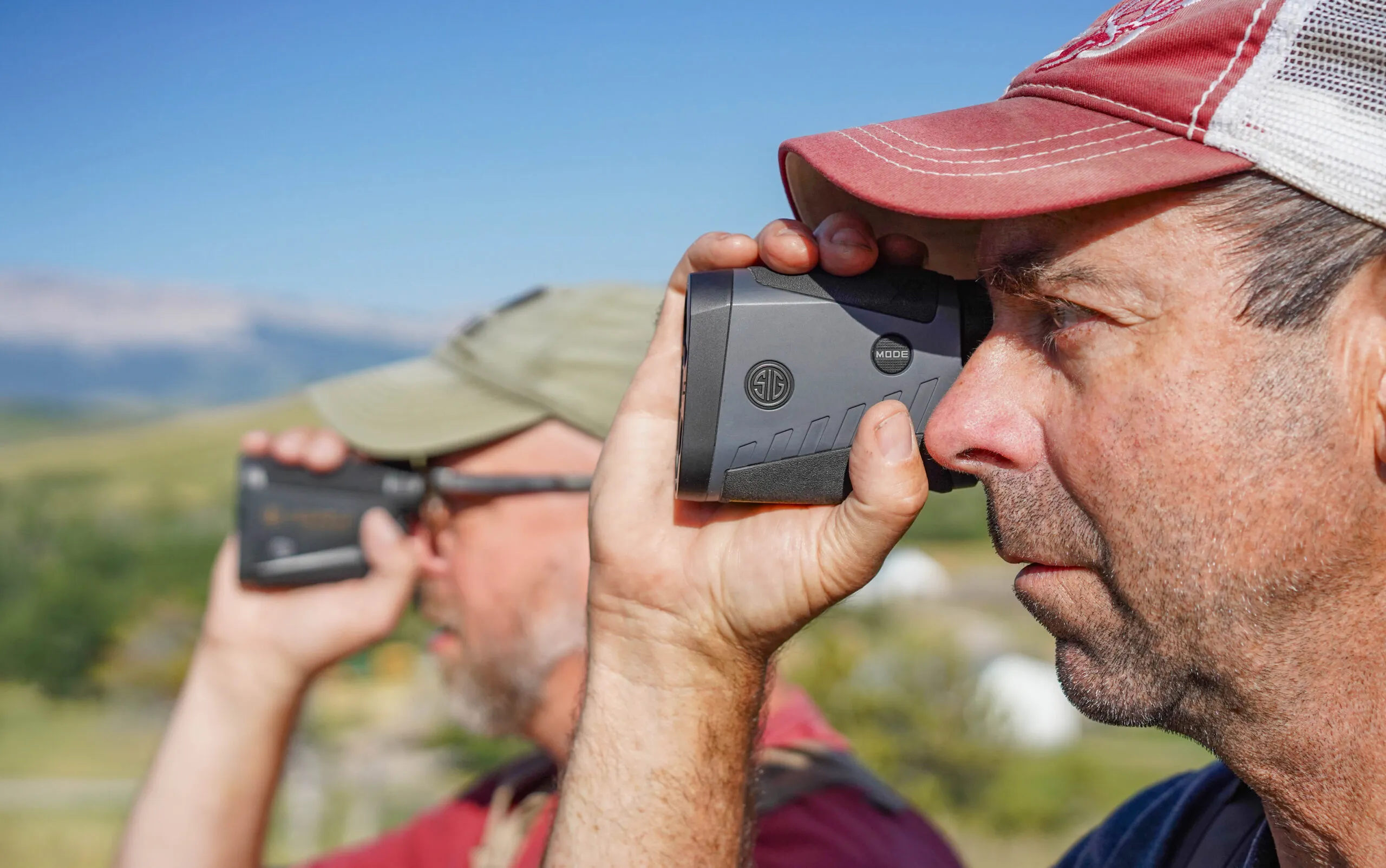
Laser rangefinders, on the other hand, use laser technology to measure distances directly to a target. Their key features include:
Advertisement
- Precision Measurement: Rangefinders provide exact distances to the pin or any visible object on the course. This accuracy is particularly beneficial for skilled players who need precise yardages for their shots.
- Angle Compensation: Many modern rangefinders come equipped with features that account for elevation changes, providing a “plays like” distance. This is crucial for shots taken on hills or slopes, as it helps golfers adjust their aim accordingly.
- Targeting Flexibility: Rangefinders allow users to measure distances to any target they can see, such as hazards, trees, or specific areas of the green. This flexibility can be advantageous for strategic play.
Comparing Effectiveness
- Accuracy: When it comes to accuracy, laser rangefinders generally have the upper hand. They can measure distances to within a yard or even less, making them ideal for players who prioritize precision. GPS devices, while improving in accuracy, often provide approximate distances that may not account for specific pin placements.
- Convenience: GPS devices excel in convenience, providing quick access to a wealth of information without the need for precise aiming. This can speed up play, as players can simply glance at their devices to get the information they need. Rangefinders, while accurate, require a bit more time to aim and acquire a reading, which can slow down the pace of play.
- Usability in Different Conditions: GPS devices can sometimes struggle in heavily wooded areas or when there are tall obstacles that obstruct satellite signals. In contrast, laser rangefinders require a clear line of sight to the target but can function effectively in various weather conditions, provided the target is visible.
Leave a Reply