

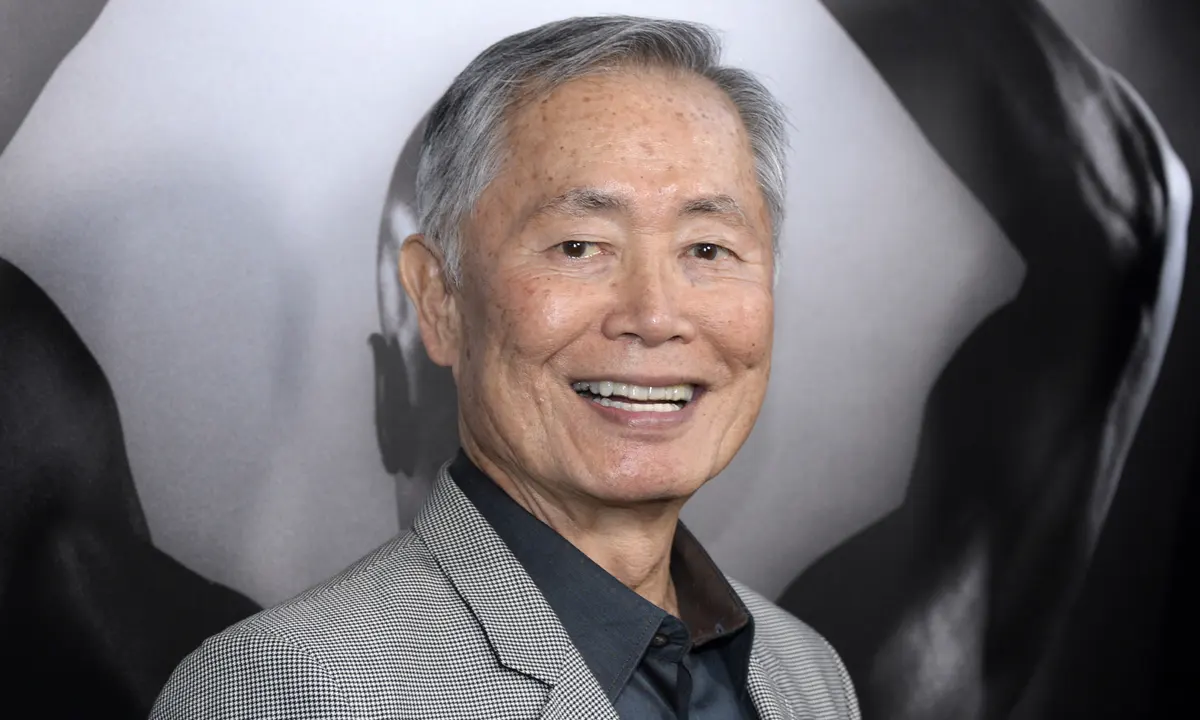
George Takei, the esteemed American actor, author, and activist, is celebrated for his iconic role as Hikaru Sulu, the helmsman of the USS Enterprise in the Star Trek franchise. However, behind the glitz and glamour of Hollywood lies a poignant chapter in Takei’s life – his family’s internment during World War II.
Advertisement
Early Years and Internment: A Dark Chapter of American History: Born on April 20, 1937, in Boyle Heights, Los Angeles, California, George Takei’s early years were marked by the shadows of war and discrimination. His parents, Japanese Americans, faced the harrowing reality of racial prejudice during World War II when, in 1942, President Franklin D. Roosevelt signed Executive Order 9066.
This executive order paved the way for the forced relocation and internment of Japanese Americans, branding them as potential security threats. The Takei family, along with thousands of others, fell victim to this deeply unjust policy.
Life in U.S.-Run Concentration Camps: George Takei vividly recalls the disruption and injustice that unfolded as his family was uprooted from their home and transported to U.S.-run concentration camps. These camps, euphemistically termed relocation centers, were, in reality, internment facilities where Japanese American families were unjustly detained.
Forced to leave behind their homes, belongings, and the life they knew, the Takei family found themselves confined to the barbed wire-enclosed compounds of the internment camps. These experiences during childhood left an indelible mark on George Takei, shaping his perspective on civil rights, justice, and the resilience of the human spirit.
Advertisement
Post-Internment Life and Rise to Stardom: After the internment camps, George Takei and his family faced the arduous task of rebuilding their lives. Despite the adversity they had endured, Takei pursued his education and eventually entered the world of acting.
His breakthrough came with the role of Hikaru Sulu in the original Star Trek television series, which aired from 1966 to 1969. Takei’s portrayal of Mr. Sulu not only made him a beloved figure in popular culture but also allowed him to break barriers as one of the first Asian American actors to achieve significant success in the entertainment industry.
Activism and Advocacy: George Takei has transformed his personal history into a powerful force for advocacy and activism. Over the years, he has been a vocal proponent of civil rights, LGBTQ+ rights, and social justice. His experiences during World War II have fueled his commitment to raising awareness about the dark chapter of Japanese American internment, ensuring that future generations remember the importance of preserving civil liberties.
George Takei’s journey, from the internment camps of his childhood to the star-studded heights of Hollywood, is a testament to resilience, courage, and the enduring pursuit of justice. His ability to transcend the painful experiences of the past and become a trailblazer in the entertainment industry and a champion for social justice speaks volumes about the strength of the human spirit. George Takei’s life story serves as a poignant reminder of the need to confront and learn from the darker chapters of history to build a more just and inclusive future.
Leave a Reply