

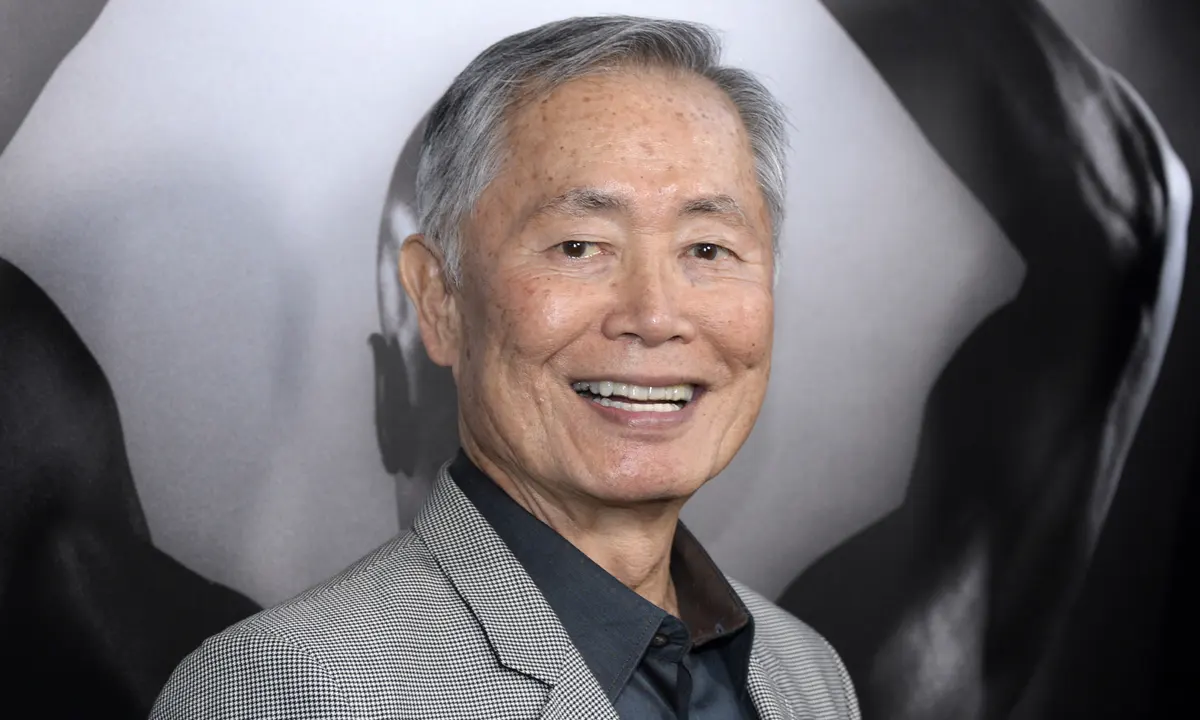
George Takei, a celebrated American actor, author, and activist, is known for his indelible mark on the entertainment industry, particularly for his iconic role as Hikaru Sulu in the Star Trek franchise. However, beyond the glitz and glamour of Hollywood, Takei’s early life was profoundly shaped by a chapter of American history marred by injustice and prejudice. In this article, we delve into the harrowing experience of George Takei and his family, who endured a year and a half in U.S.-run concentration camps during World War II.
Advertisement
Birth of an American Icon:
Born on April 20, 1937, in Boyle Heights, Los Angeles, California, George Takei’s early years were marked by the challenges of being a Japanese American during a tumultuous period in history. Following the attack on Pearl Harbor, the lives of thousands of Japanese Americans, including the Takei family, were irrevocably changed by discriminatory policies enacted by the U.S. government.
Incarceration at Rohwer Internment Camp:
For a year and a half, George Takei, along with his parents and two siblings, found themselves incarcerated at Rohwer, the easternmost of the 10 internment camps established in the United States during World War II. This injustice unfolded under the authority of Executive Order 9066, signed by President Franklin Delano Roosevelt, which uprooted 120,000 people of Japanese descent, many of whom were American citizens.
Advertisement
The Widespread Impact of Executive Order 9066:
The internment camps, a painful manifestation of wartime hysteria and racial prejudice, were a stark reminder of the systemic injustices faced by Japanese Americans. Families were uprooted from their homes, businesses, and communities, and forced to live in crowded and often dehumanizing conditions within the confines of barbed wire fences.
George Takei’s Advocacy and Reflections:
In the years that followed, George Takei emerged as not only a respected actor but also a passionate advocate for civil rights and social justice. His personal experiences in the internment camps fueled his commitment to raising awareness about this dark chapter in American history.
Takei often reflects on the impact of that year and a half in the internment camps, underscoring the resilience of the human spirit in the face of adversity. Through his advocacy work and candid storytelling, he sheds light on the importance of acknowledging historical injustices and working towards a society that values equality and justice for all.
George Takei’s journey through the internment camps serves as a stark reminder of the fragility of civil liberties during times of fear and prejudice. The year and a half spent in Rohwer was a testament to the strength and endurance of a family unjustly subjected to collective punishment. As we reflect on this somber chapter in American history, we are reminded of the importance of vigilance in protecting the rights and dignity of all individuals, regardless of their background or heritage.
Leave a Reply