

George Takei, the iconic American actor, author, and activist, has shared a poignant chapter from his early life – a day etched in his memory when he and his family were forcibly evacuated from their Los Angeles home during World War II. In this article, we delve into George Takei’s recollections of that fateful day, shedding light on the emotional impact of being ordered out of their homes by soldiers.
Advertisement
A Childhood Disrupted: Born on April 20, 1937, in Boyle Heights, Los Angeles, California, George Takei’s early years were marred by the unjust and discriminatory policies of Japanese American internment during World War II. This dark period in American history left an indelible mark on Takei’s childhood, as he and his family were subjected to the painful experience of being uprooted from their home.
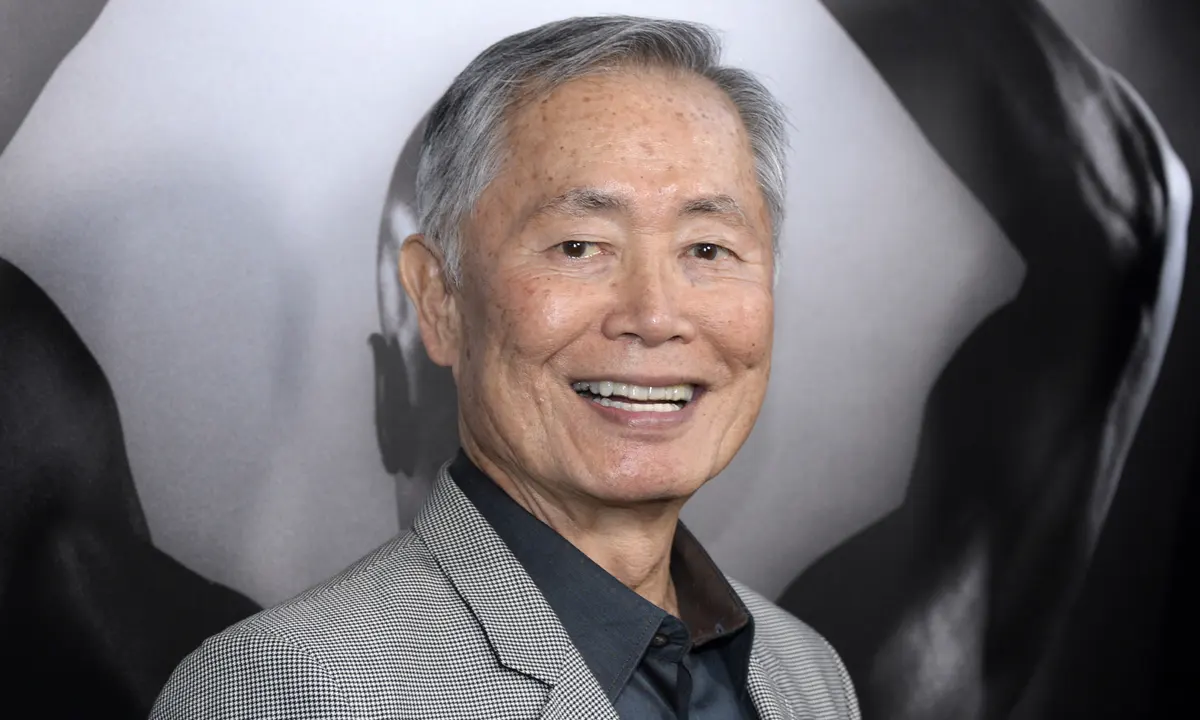
The Day Soldiers Arrived: George Takei vividly remembers the day when soldiers arrived at his family’s doorstep, forever altering the course of their lives. With a heart-wrenching recount, Takei shares the haunting details of that traumatic moment, “They stopped on the front porch and with their fists they banged on the door. My father answered the door, and they pointed those bayonets at all of us and told us to leave,” he said.
Advertisement
Forced Evacuation: At just five years old, George Takei, along with his parents, brother, and baby sister, found themselves at the mercy of soldiers enforcing Executive Order 9066, signed by President Franklin D. Roosevelt. The order authorized the forced relocation and internment of Japanese Americans living on the West Coast, a policy driven by wartime hysteria and prejudice.
The Impact of Bayonets: The image of soldiers pointing bayonets at a young George Takei and his family remains seared in his memory. The violence inherent in that act, coupled with the abrupt disruption of their family life, left a lasting emotional scar. Takei’s recollections provide a visceral glimpse into the dehumanizing impact of policies that targeted innocent American citizens based on their heritage.
A Legacy of Advocacy: George Takei’s commitment to social justice is deeply rooted in his personal history. His advocacy work extends beyond raising awareness of the internment experience to championing a more inclusive and tolerant society. By sharing his own painful recollections, Takei contributes to a broader understanding of the human cost of discriminatory policies.
George Takei’s memories of the day his family was ordered out of their homes stand as a powerful testament to the resilience of those who endured the injustice of Japanese American internment. As we reflect on this painful chapter in history, it becomes crucial to recognize the profound impact such policies had on innocent lives and to strive for a future built on empathy, understanding, and a commitment to justice for all.
Leave a Reply