
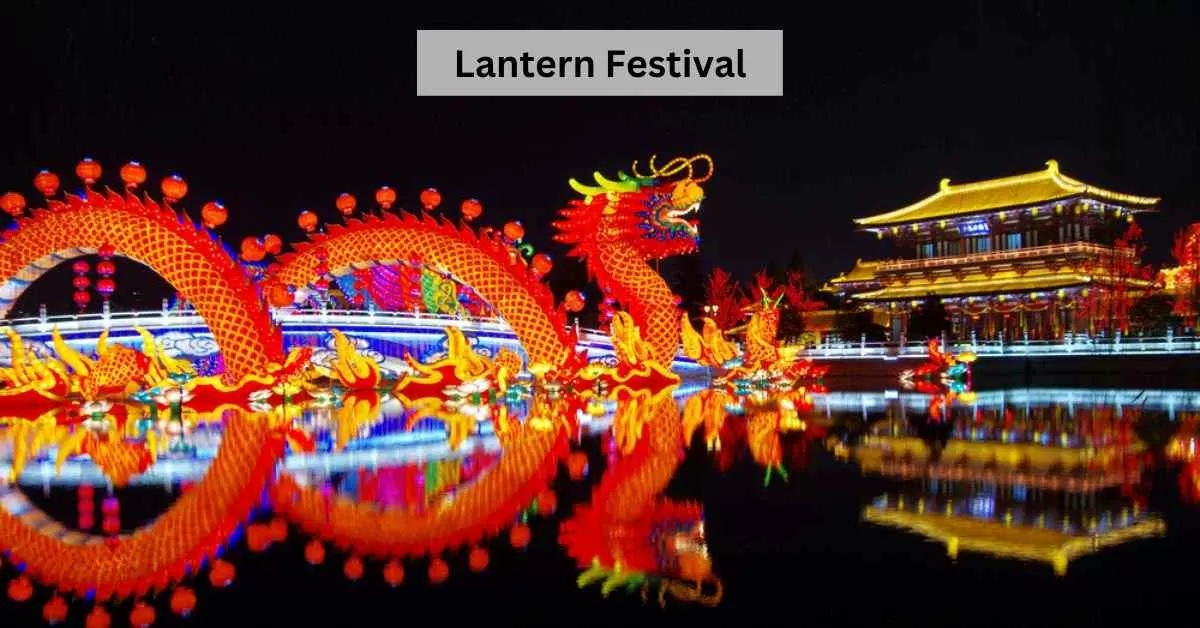
The Lantern Festival, celebrated on the 15th day of the first month in the lunisolar Chinese calendar, is a holiday with deep historical roots. The festival is believed to have originated during the Han Dynasty (206 BCE to 220 CE). During this period, Buddhist monks would light lanterns on this particular night to honor Buddha.
Advertisement
This practice was later adopted by the general population and spread throughout China and other parts of Asia. The festival holds significant cultural and religious importance. It marks the first full moon of the new lunar year and the end of the Chinese New Year celebrations.

During the festival, houses are adorned with colorful lanterns, often with riddles written on them. If the riddle is answered correctly, the solver earns a small gift. The lanterns are almost always red to symbolize good fortune.
Advertisement
In addition to China, the Lantern Festival is celebrated in other Asian countries as well. For instance, in Taiwan, both young and old venture out to celebrate the world-renowned Lantern Festival on the night of the first full moon of the lunar year. Some communities in Southeast Asia also celebrate the holiday, which they call Cap Go Meh.
In essence, the Lantern Festival is a time of renewal and reconciliation. It’s a time to let go of the past and look forward to the future. It’s a time to honor Buddha and other religious figures, and to celebrate life, family, and community. The festival’s rich history and widespread celebration make it a fascinating subject of study and a beautiful spectacle to witness.
Leave a Reply