

Norovirus, often referred to as the stomach flu, is a highly contagious virus that causes gastroenteritis, an inflammation of the stomach and intestines. It’s important to note that there is no specific medicine to treat norovirus infection. The recovery generally depends on the health of your immune system and in most people, the illness usually resolves within a few days.
Advertisement
The primary treatment for norovirus is to prevent dehydration. This can be achieved by drinking plenty of liquids to replace fluid lost from vomiting and diarrhea. Sports drinks and other drinks without caffeine or alcohol can help with mild dehydration. However, these drinks may not replace important nutrients and minerals. Oral rehydration fluids that you can get over the counter are most helpful for mild dehydration.
In severe cases of dehydration, you might need to receive fluids through a vein (intravenous or IV fluids). Signs of dehydration include fatigue, dry mouth and throat, listlessness, dizziness, and decreased urine output. If you think you or someone you are caring for is severely dehydrated, it’s important to seek medical attention.
Advertisement
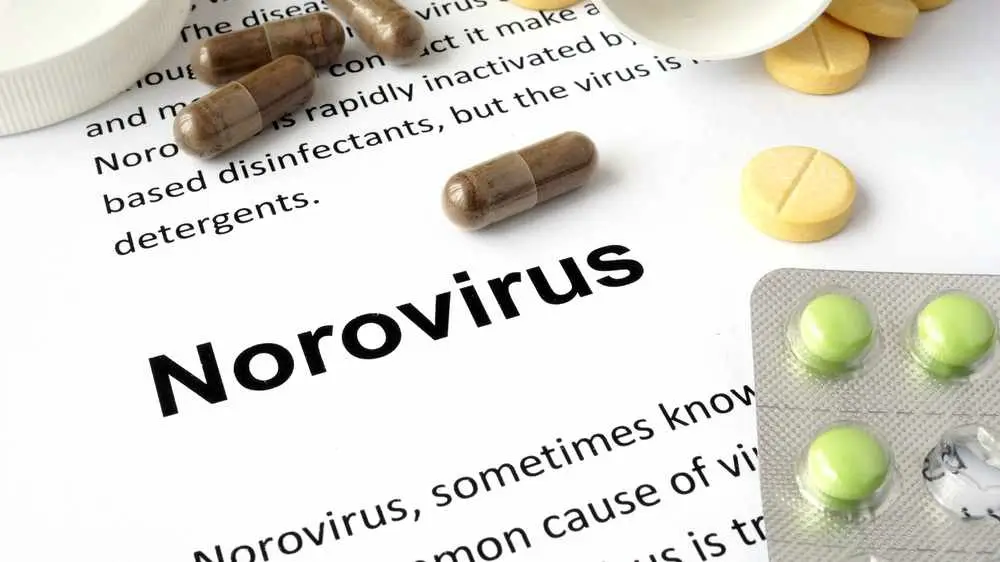
Your health care provider might recommend over-the-counter anti-diarrheal medication and medication to reduce nausea. Ibuprofen can be taken to reduce aches or pain and Paracetamol can be used to reduce fever. Loperamide is an anti-diarrheal drug that provides symptomatic relief for diarrhea.
It’s also recommended to ease back into eating. Try to eat small amounts of food frequently if you experience nausea. Otherwise, gradually begin to eat bland, easy-to-digest foods, such as soda crackers, toast, gelatin, bananas, applesauce, rice, and chicken. Stop eating if your nausea returns. Avoid milk and dairy products, caffeine, alcohol, nicotine, and fatty or highly seasoned foods for a few days.
Remember, norovirus infection is highly contagious. Avoid contact with others as much as possible during illness and for several days after recovery. Wash your hands and disinfect surfaces and objects. Do not prepare food for others until your symptoms are gone. Antibiotic drugs will not help treat norovirus infections because they fight bacteria, not viruses.
In conclusion, while there is no specific medicine to treat norovirus, the symptoms can be managed with rest, hydration, and over-the-counter medications. Always consult with a healthcare provider for advice tailored to your specific circumstances.
Leave a Reply