
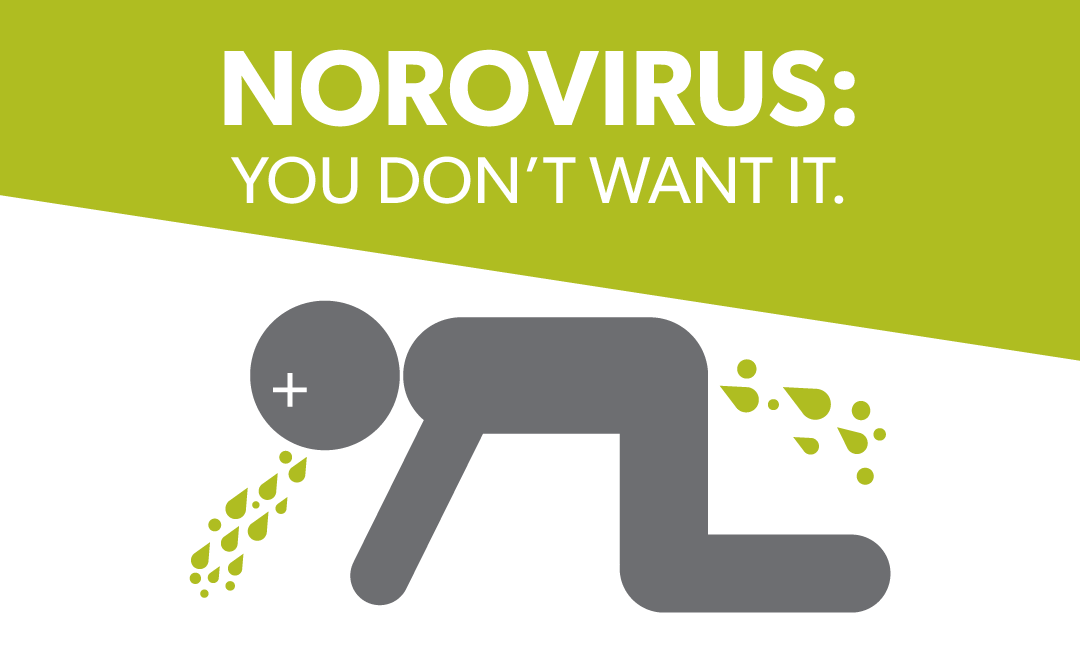
Norovirus is a highly contagious virus that causes gastroenteritis, an inflammation of the stomach and intestines. It’s often referred to as the stomach flu, although it’s not related to influenza. Norovirus can spread quickly in closed places like daycare centers, nursing homes, schools, and cruise ships. Most norovirus outbreaks happen from November to April in the United States.
Advertisement
Preventing norovirus can be challenging because it’s so easily spread, and it’s resistant to many common disinfectants. However, there are several steps you can take to reduce your chances of getting or spreading the virus.

Hand Hygiene
The first line of defense against norovirus is proper hand hygiene. Wash your hands thoroughly and frequently with soap and water, especially after using the toilet or changing diapers, before eating or preparing food, and before giving yourself or someone else medicine. It’s important to continue washing your hands often even after you feel better, as norovirus can still be present in your stool for two weeks or more after you feel better.
Food Preparation
When preparing food, be sure to wash all fruits and vegetables thoroughly with clean, running water. Cook oysters and other shellfish thoroughly to an internal temperature of at least 145°F. Routinely clean and sanitize kitchen utensils, counters, and surfaces. Food that might be contaminated with norovirus should be thrown out.
Advertisement
Cleaning and Disinfecting Surfaces
After someone vomits or has diarrhea, always clean and disinfect the entire area immediately. To disinfect, use a chlorine bleach solution with a concentration of 1,000 to 5,000 ppm (5 to 25 tablespoons of household bleach per gallon of water) or use a disinfectant product that’s effective against norovirus. Wear rubber or disposable gloves and wipe the entire area with paper towels, then throw them in a plastic trash bag. Leave the bleach disinfectant on the affected area for at least five minutes, then clean the entire area again with soap and hot water.
Laundry
Immediately remove and wash clothes or linens that may have vomit or feces on them. Handle soiled items carefully without shaking them, wash them with detergent at the maximum available cycle length, then machine dry them at the highest heat setting.
Avoiding Contact with Infected People
If possible, try to avoid close contact with people who are infected with norovirus. This includes avoiding sharing food, utensils, or other personal items with them. If you’re caring for someone who has norovirus, be sure to wash your hands frequently and consider wearing disposable gloves.
Staying Home
If you’re sick with norovirus, stay home and avoid preparing food for others for at least two days after your symptoms stop. This also applies to people who work in restaurants, schools, daycares, long-term care facilities, and other places where they could potentially spread the virus to others.
Remember, while norovirus can be unpleasant, it usually goes away on its own within a few days. The most important thing is to stay hydrated and rest as much as possible. If your symptoms don’t improve after a few days, or if you become severely dehydrated, seek medical attention.
Leave a Reply