

Norovirus and food poisoning are two common causes of gastroenteritis, an inflammation of the stomach and intestines. Both conditions can cause similar symptoms, such as diarrhea, vomiting, and stomach cramps, making it difficult to distinguish between the two. However, there are some key differences that can help you determine whether you have norovirus or food poisoning.
Advertisement
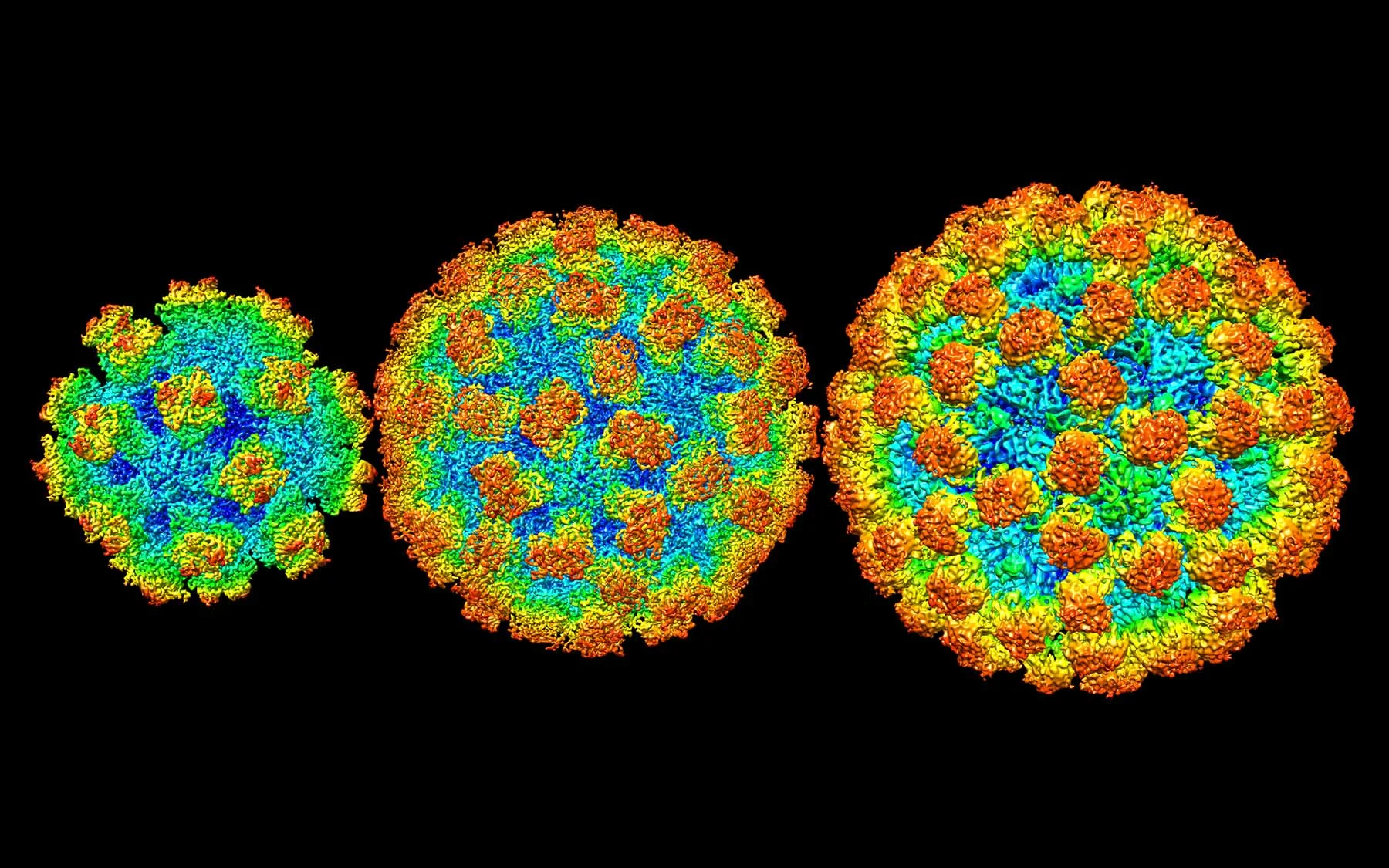
Norovirus, sometimes referred to as the stomach flu, is a highly contagious virus that can be contracted from an infected person, contaminated food or water, or by touching contaminated surfaces. The virus causes your stomach or intestines to get inflamed, leading to stomach pain, nausea, and diarrhea. Symptoms usually develop 12 to 48 hours after exposure to the virus and most people recover within 1 to 3 days.
On the other hand, food poisoning is caused by consuming contaminated food or water. The contamination can be due to various bacteria, viruses, or parasites. Symptoms can develop within hours to days after eating contaminated food and can range from mild to severe, depending on the type of organism causing the infection.
Advertisement
One of the key differences between norovirus and food poisoning is the onset of symptoms. Food poisoning symptoms typically appear within a few hours of eating contaminated food, while norovirus symptoms usually appear within 12 to 48 hours after exposure to the virus.
Another difference is the duration of symptoms. Food poisoning symptoms usually resolve within a day or two, while norovirus symptoms can last a few days.
In terms of treatment, both conditions usually resolve on their own without specific medical treatment. The most important thing is to stay hydrated, as both conditions can cause significant fluid loss through vomiting and diarrhea. Over-the-counter medications can help manage symptoms, but it’s always a good idea to consult with a healthcare provider if symptoms are severe or persist for more than a few days.
In conclusion, while norovirus and food poisoning can cause similar symptoms, the key differences lie in the onset and duration of symptoms. If you suspect you have either condition, it’s important to rest, stay hydrated, and seek medical attention if symptoms are severe or persist for more than a few days.
Leave a Reply