
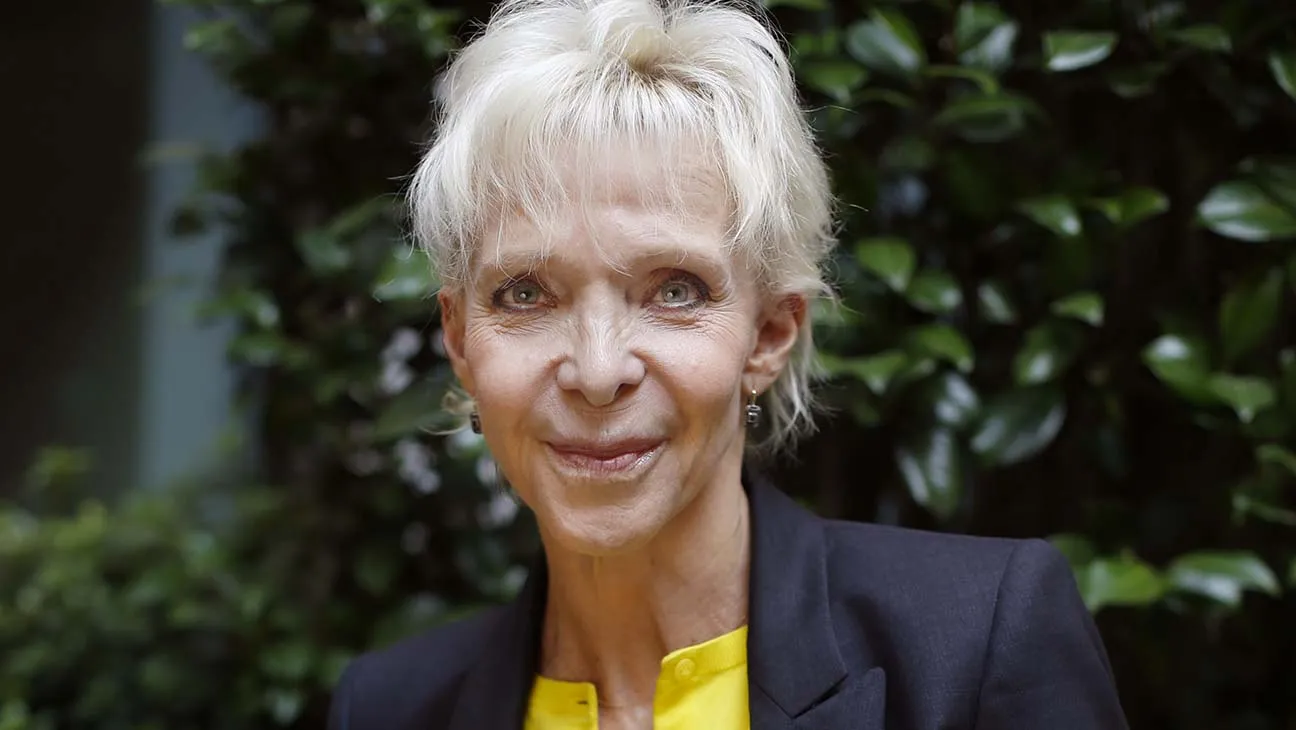
Tonie Marshall, the esteemed French-American actress, screenwriter, and film director, left an indelible mark on the world of cinema with her groundbreaking contributions and visionary storytelling. Throughout her illustrious career, Marshall shattered barriers, challenged conventions, and paved the way for future generations of filmmakers. Today, we celebrate her life, her achievements, and her enduring legacy.
Advertisement
Born on November 29, 1951, in Neuilly-sur-Seine, France, Tonie Marshall was destined for a life in the spotlight. As the daughter of renowned actress Micheline Presle and American actor William Marshall, she was exposed to the world of entertainment from a young age. Inspired by her parents’ passion for the arts, Marshall embarked on a journey to follow in their footsteps and make her mark in the film industry.

Throughout her career, Marshall distinguished herself as a versatile talent, equally adept in front of and behind the camera. As an actress, she captivated audiences with her captivating performances, bringing depth, authenticity, and nuance to every role she undertook. Her magnetic screen presence and impeccable acting chops earned her critical acclaim and endeared her to fans around the world.
Advertisement
However, it was Marshall’s work as a director and screenwriter that truly solidified her status as a trailblazer in French cinema. In 2000, she made history by becoming the first female director to win a César award for her film “Venus Beauty Institute.” The groundbreaking film, which Marshall wrote and directed, explored themes of beauty, self-acceptance, and female empowerment with sensitivity and grace. Its critical and commercial success not only catapulted Marshall to international acclaim but also paved the way for greater representation of women in the male-dominated film industry.
Beyond her professional achievements, Tonie Marshall was known for her unwavering commitment to championing diversity, equality, and social justice. Throughout her career, she used her platform to amplify the voices of marginalized communities and advocate for change. Her dedication to advancing the cause of gender equality in film served as an inspiration to aspiring filmmakers and paved the way for a more inclusive and representative industry.
Leave a Reply