

Niacin, also known as vitamin B3, was once a mainstay cholesterol therapy, prescribed for over 50 years to lower LDL or “bad” cholesterol. However, recent studies and analyses have led to a shift in perspective on the benefits of niacin for most people.
Advertisement
One of the reasons for this change is the discovery that niacin does not seem to be helpful in preventing serious heart-related events, strokes, or deaths from heart disease. This finding came from an analysis that included thousands of patients from numerous clinical trials. About half of these people were taking niacin, and the remainder received placebo, usual care, or other lipid-lowering agents. The results showed that overall, niacin did not provide any significant benefit in preventing these serious health events.
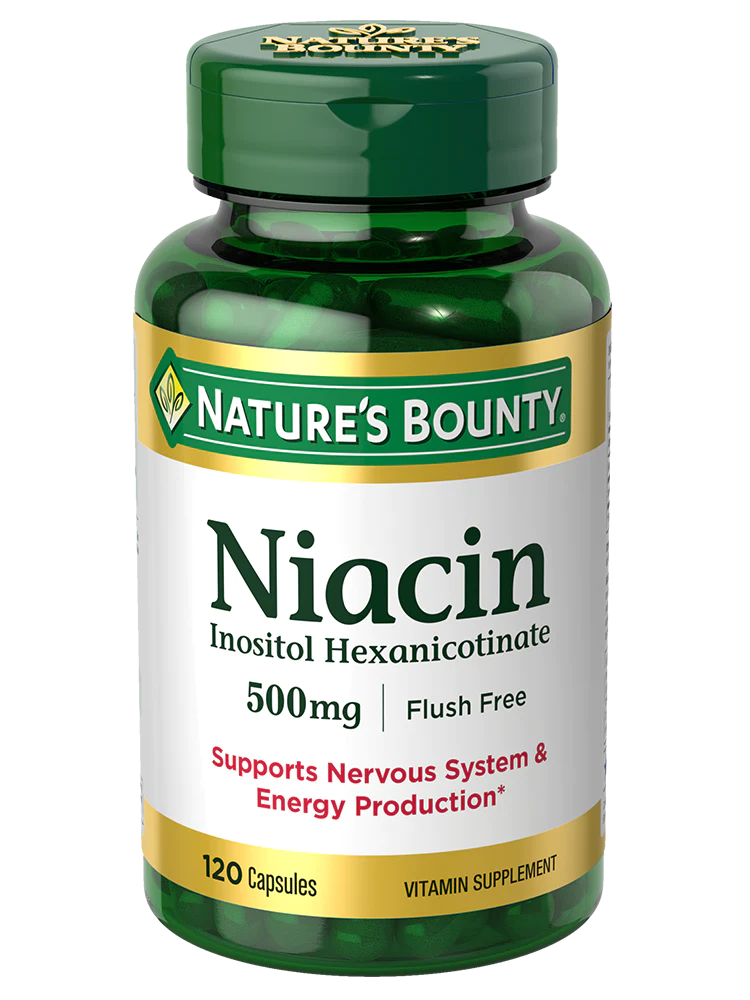
The initial interest in niacin stemmed from the drug’s ability to raise HDL cholesterol, which was once thought to protect against cardiovascular disease. However, current thinking suggests that HDL is more of a bystander than a helper when it comes to heart disease risk. Given this shift in understanding and niacin’s weak record in preventing heart-related events, the role of niacin has been reconsidered.
Advertisement
Another reason for the change in recommendation is the potential risks associated with niacin use. Some studies have suggested that there may be an increased risk of death and dangerous side effects associated with niacin. These potential risks, combined with the lack of benefit in reducing heart attacks and strokes, have led to the conclusion that niacin should no longer be prescribed for most patients.
Furthermore, recent research has discovered a link between high levels of niacin and heart disease. It was found that excess niacin fuels inflammation and cardiovascular disease through a newly discovered pathway. A breakdown product from excess niacin, known as 4PY, was found to be strongly associated with the development of heart attack, stroke, and other adverse cardiac events. This discovery provides a new understanding of the potential risks associated with high levels of niacin.
In light of these findings, the only possible role for niacin now appears to be for people who cannot tolerate statins. However, even in these cases, other newer medications are likely to offer greater benefits.
In conclusion, while niacin was once a widely recommended treatment for lowering cholesterol, current research suggests that it offers no benefit for most people and may even pose risks. As our understanding of heart disease and the effects of different treatments continues to evolve, it’s important to stay informed and consult with healthcare providers to make the best decisions for individual health needs.
Leave a Reply