

Niacin, also known as vitamin B3, is an essential nutrient that plays a vital role in our bodies. It helps convert food into energy, keeps the nervous system functioning properly, and is important for the health of the skin and digestive system. While most people can get the niacin they need from a balanced diet, certain groups of people may require more niacin than others.
Advertisement
People who are undernourished due to poverty or conditions like anorexia, alcohol use disorder, AIDS, inflammatory bowel disease, or liver cirrhosis often have inadequate intakes of niacin and other nutrients. These individuals may require more niacin to meet their nutritional needs.
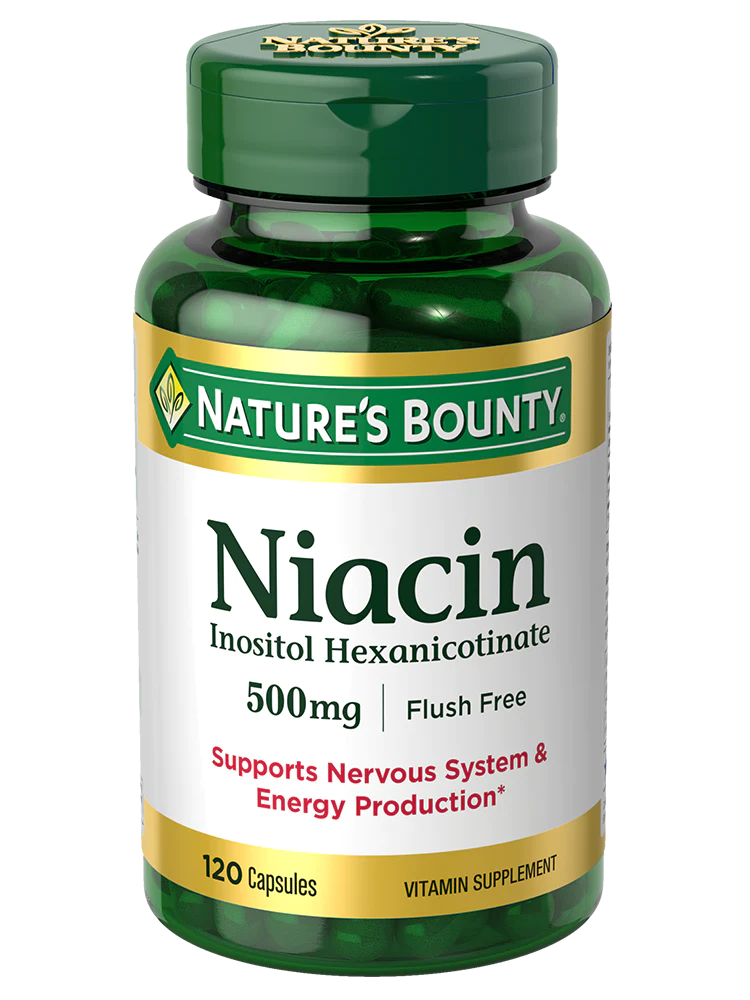
Individuals with certain genetic disorders may also require more niacin. For example, Hartnup disease is a rare genetic disorder that interferes with the absorption of tryptophan in the small intestine and increases its loss in the urine via the kidneys. As a result, the body has less available tryptophan to convert to niacin, and these individuals may require more niacin in their diet.
Advertisement
People who do not consume enough riboflavin (vitamin B2), pyridoxine (vitamin B6), or iron may also need more niacin. These nutrients are necessary for the conversion of tryptophan to niacin, and a deficiency in these nutrients can lead to a lower niacin status.
Pregnant and breastfeeding women have higher niacin needs to support the growth and development of the baby. The recommended daily amount of niacin for pregnant women is 18 milligrams and for breastfeeding women, it’s 17 milligrams.
Lastly, individuals with high cholesterol who aren’t able to take statins or haven’t been able to control their cholesterol levels through the use of a statin, diet, and exercise might benefit from prescription niacin. However, it’s important to note that niacin should only be used under the supervision of a healthcare provider due to the potential for side effects.
In conclusion, while most people can get the niacin they need from a healthy diet, certain groups of people may require more niacin due to their specific health conditions or dietary habits. Always consult with a healthcare provider before starting any new supplement regimen, including niacin. They can provide guidance based on your individual health needs and conditions.
Leave a Reply