
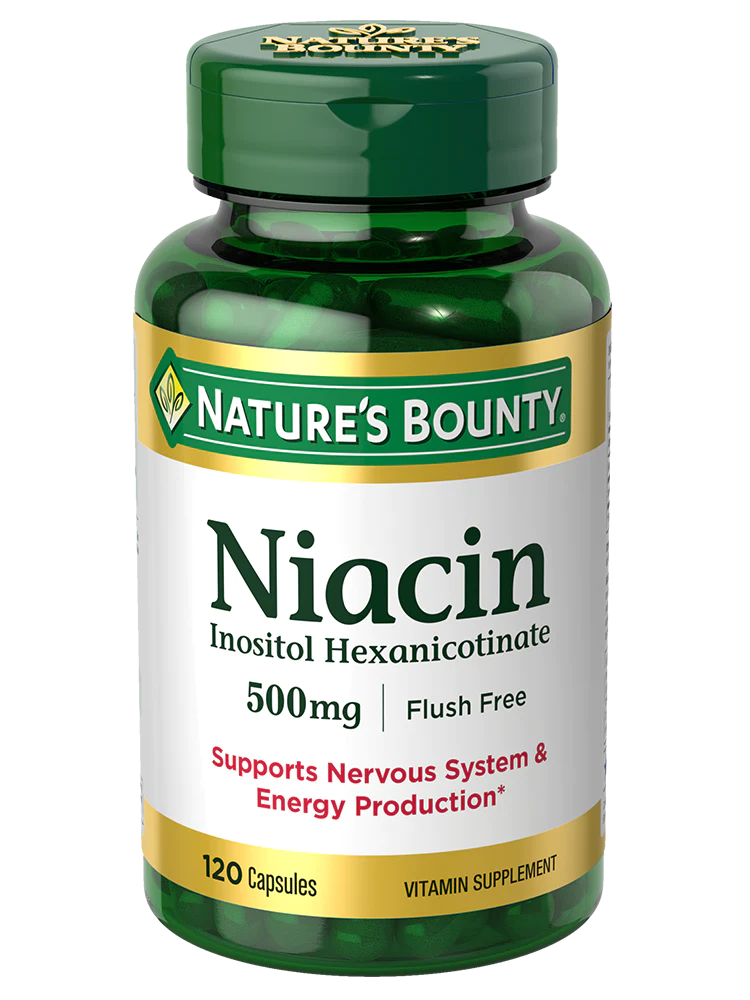
Niacin, a crucial water-soluble vitamin belonging to the B-complex family, is known by various names in English, with “niacin” being the most commonly used. Additionally, it’s referred to as nicotinic acid or vitamin B3. This essential nutrient plays a vital role in supporting various bodily functions, contributing to overall health and well-being.
Advertisement
When you consume niacin, whether through dietary sources or supplements, several significant processes occur within your body. One of the primary roles of niacin is in energy metabolism. Once ingested, niacin is broken down into its active forms, nicotinamide adenine dinucleotide (NAD) and nicotinamide adenine dinucleotide phosphate (NADP). These coenzymes are crucial for converting the food you eat into usable energy, helping to fuel your body’s cells and support various metabolic processes.
Moreover, niacin is involved in DNA repair and synthesis, contributing to the maintenance of genetic integrity and proper cell function. It also plays a role in cell signaling pathways, aiding in communication between cells and regulating essential physiological functions.
Advertisement
Niacin is particularly renowned for its ability to regulate cholesterol levels. By inhibiting the liver’s production of LDL (bad) cholesterol while increasing HDL (good) cholesterol levels, niacin helps to maintain a healthy lipid profile and reduce the risk of cardiovascular disease.
However, it’s worth noting that taking niacin supplements or consuming niacin-rich foods can sometimes lead to a temporary side effect known as niacin flush. This reaction occurs as niacin causes blood vessels to dilate, resulting in a warm, tingling sensation and reddening of the skin, particularly in the face and upper body. While niacin flush is generally harmless and subsides on its own, some individuals may find it uncomfortable.
As for the richest source of niacin, animal products such as meats—beef, poultry, and fish—are particularly high in niacin. Additionally, liver is exceptionally rich in niacin. Other sources include nuts, seeds, legumes, and whole grains. Incorporating a variety of these foods into your diet can help ensure an adequate intake of niacin to support your overall health and well-being.
Leave a Reply