

Niacin, also known as vitamin B3, is a vital nutrient that plays a significant role in our bodies. It’s involved in numerous biological processes, including the conversion of food into energy, maintaining the health of the nervous system, and supporting skin health.
Advertisement
Niacin is good for a variety of functions in the body. It helps convert food into energy by aiding enzymes. Specifically, niacin is a major component of NAD and NADP, two coenzymes involved in cellular metabolism. Furthermore, it plays a role in cell signaling and making and repairing DNA, in addition to acting as an antioxidant.
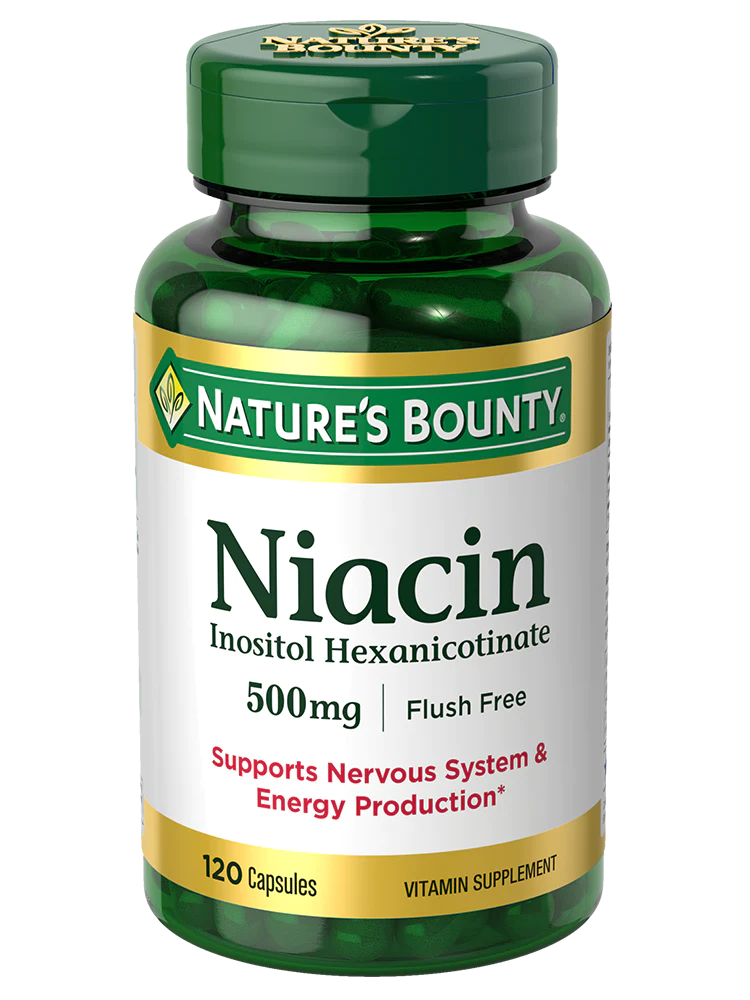
Niacin is also known to improve cholesterol levels and lower triglycerides. It can increase high-density lipoprotein (HDL) cholesterol — the “good” cholesterol that helps remove low-density lipoprotein (LDL), the “bad” cholesterol, from your bloodstream. Despite niacin’s ability to raise HDL cholesterol, research suggests that niacin therapy isn’t linked to lower rates of death, heart attack, or stroke.
Advertisement
In addition to these benefits, niacin is used to treat or prevent niacin deficiency. This condition isn’t common in the United States, but it can cause symptoms such as skin rash or discoloration, bright red tongue, vomiting, constipation or diarrhea, depression, fatigue, headache, memory loss, and loss of appetite. Severe niacin deficiency, or pellagra, mostly occurs in developing countries, where diets are not as varied. It can be treated with niacinamide supplementation.
Prescription niacin might benefit people with high cholesterol who aren’t able to take statins or haven’t been able to control their cholesterol levels through the use of a statin, diet, and exercise. However, it’s important to note that high doses of niacin can cause side effects such as severe skin flushing combined with dizziness, nausea, and vomiting. Therefore, it’s always best to consult with a healthcare provider if you’re considering taking niacin supplements.
In conclusion, niacin, or vitamin B3, is an essential nutrient that our bodies need to function properly. It plays a crucial role in our health, from helping to convert food into energy to maintaining the health of our nervous system and skin. It’s also used to treat specific conditions such as high cholesterol and niacin deficiency. However, like any supplement, it’s important to use it responsibly and under the guidance of a healthcare provider.
Leave a Reply