
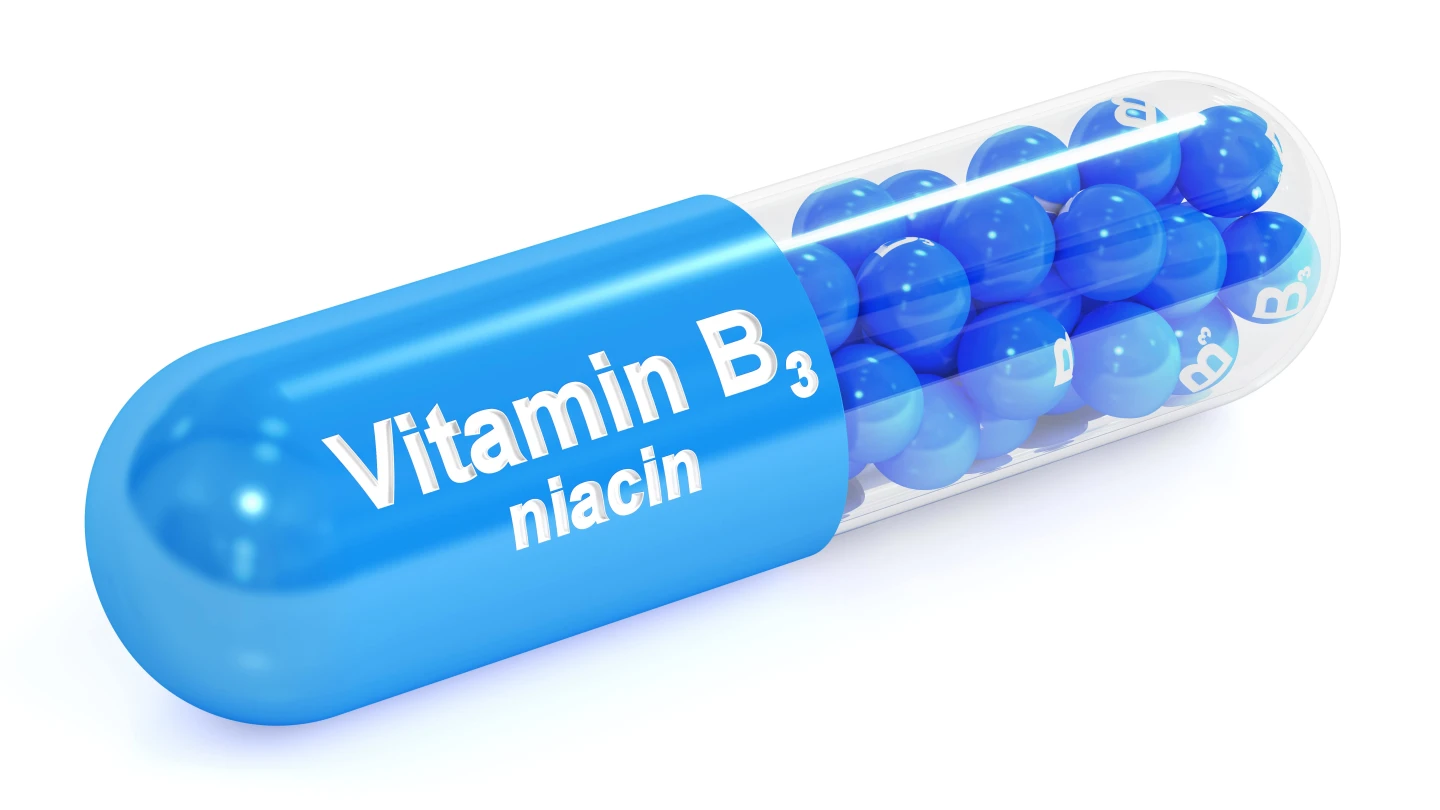
Niacin, a member of the B-vitamin family, is essential for energy metabolism. It helps convert carbohydrates, fats, and proteins into usable energy, fueling various physiological processes within the body.
Advertisement
Additionally, niacin promotes proper nerve function, supports healthy skin, and aids in the synthesis of certain hormones. Niacin, also known as vitamin B3, plays a multitude of essential roles in the body, contributing to overall health and well-being.
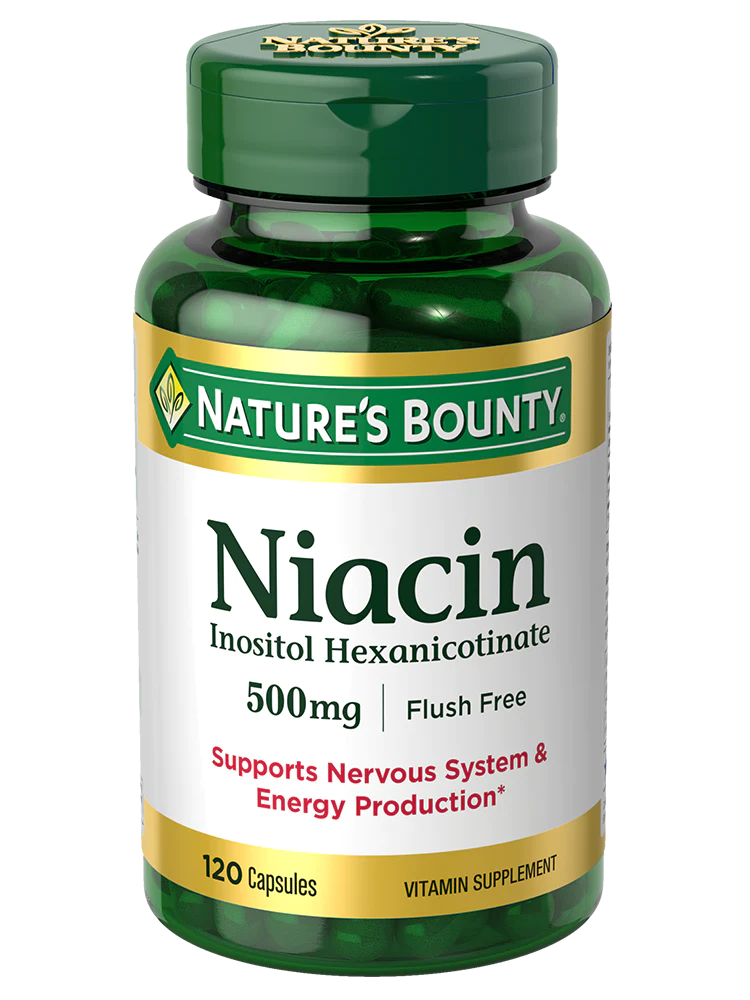
Energy Metabolism: Niacin is crucial for converting carbohydrates, fats, and proteins from the foods we eat into usable energy. As a component of coenzymes NAD (nicotinamide adenine dinucleotide) and NADP (nicotinamide adenine dinucleotide phosphate), niacin participates in numerous metabolic reactions that release energy for cellular processes.
DNA Repair and Synthesis: Niacin is involved in DNA repair mechanisms, helping to maintain the integrity of our genetic material. It supports the synthesis and repair of DNA, which is essential for proper cell function, growth, and reproduction.
Cellular Signaling: Niacin plays a role in cell signaling pathways, facilitating communication between cells and coordinating various physiological processes. It helps regulate gene expression, enzyme activity, and other cellular functions necessary for optimal health.
Advertisement
Cholesterol Regulation: Niacin has lipid-modifying effects, particularly in lowering LDL (bad) cholesterol levels and raising HDL (good) cholesterol levels. By inhibiting the release of free fatty acids from adipose tissue and promoting their uptake in the liver, niacin helps reduce circulating levels of LDL cholesterol and triglycerides while increasing HDL cholesterol levels, thereby lowering the risk of cardiovascular disease.
Skin Health: Niacin supports healthy skin by promoting proper circulation, aiding in the maintenance of skin barrier function, and reducing inflammation. It can improve the appearance of skin, enhance its hydration, and help alleviate symptoms of certain skin conditions.
Nervous System Function: Niacin is essential for the proper functioning of the nervous system. It supports nerve cell communication and helps maintain the myelin sheath, a protective covering that surrounds nerve fibers and facilitates the transmission of nerve impulses.
Digestive Health: Niacin contributes to the proper functioning of the digestive system by supporting the production of digestive enzymes and promoting healthy gastrointestinal function. It aids in the metabolism of carbohydrates, fats, and proteins and helps ensure efficient nutrient absorption.
Overall, niacin plays a vital role in numerous physiological processes, including energy metabolism, DNA repair, cellular signaling, cholesterol regulation, skin health, nervous system function, and digestive health. Ensuring an adequate intake of niacin through a balanced diet or supplementation can help support optimal health and functioning of the body.
Leave a Reply