
In the pursuit of managing high cholesterol levels, many individuals explore various supplements and medications, one of which is niacin. Niacin, also known as vitamin B3, has garnered attention for its potential benefits in lowering cholesterol levels.
Advertisement
However, like any supplement or medication, it’s crucial to understand its safety and effectiveness. Let’s delve into whether niacin is a safe and effective option for managing high cholesterol.
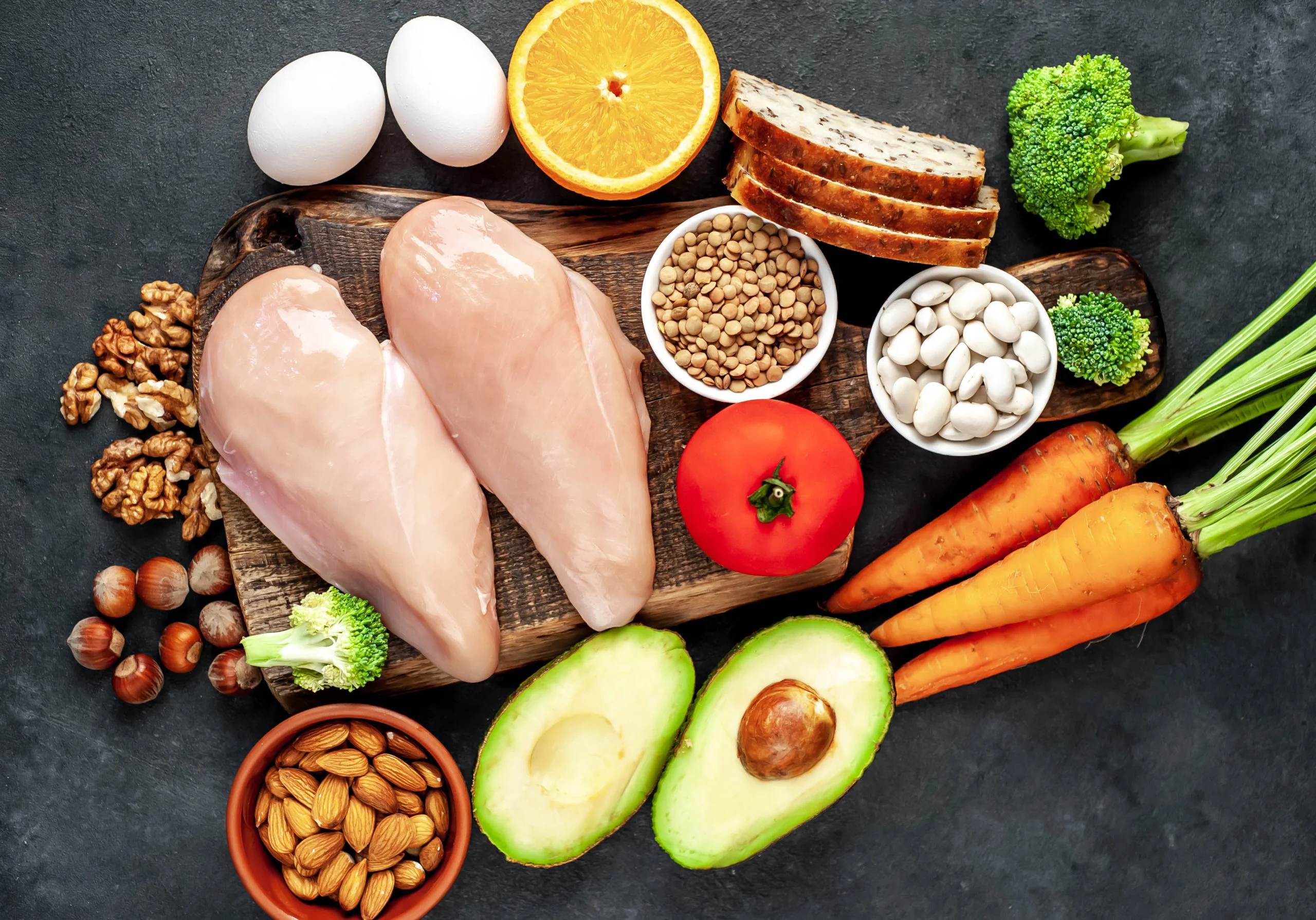
Niacin is a water-soluble vitamin that plays a vital role in energy metabolism and is essential for the proper functioning of the body. It’s available in several forms, including nicotinic acid, nicotinamide, and in dietary sources such as meat, fish, nuts, and grains.
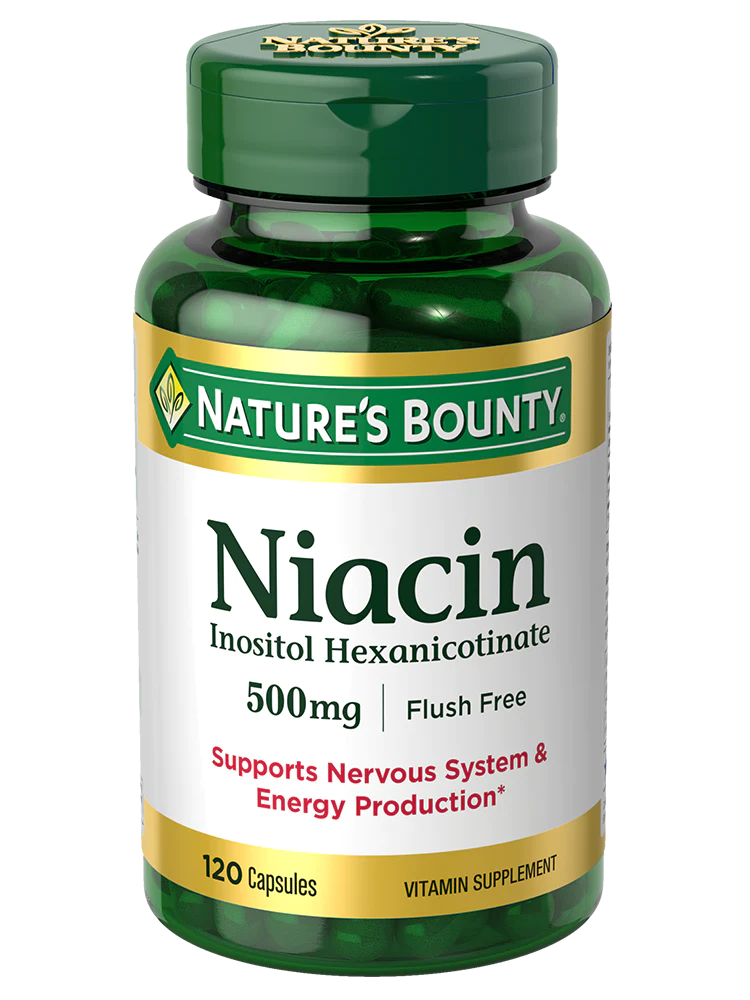
Niacin and Cholesterol:
Niacin has been studied for its ability to raise HDL (high-density lipoprotein) cholesterol, often referred to as “good” cholesterol, and lower LDL (low-density lipoprotein) cholesterol, commonly known as “bad” cholesterol, and triglycerides. This dual action makes niacin an attractive option for individuals with high cholesterol levels, particularly those who may not tolerate statins or other cholesterol-lowering medications.
Advertisement
While niacin can be effective in managing cholesterol, it’s essential to use it under medical supervision due to potential side effects. Common side effects of niacin supplementation include flushing (warmth, redness, itching), upset stomach, and in some cases, liver toxicity. Extended-release formulations may reduce flushing but can increase the risk of liver damage.
Research suggests that niacin can modestly improve cholesterol levels when used as part of a comprehensive treatment plan that includes lifestyle modifications such as diet and exercise. It’s often recommended for individuals with specific lipid abnormalities or those at high risk of cardiovascular disease.
Remember, managing high cholesterol involves a holistic approach that includes lifestyle changes, dietary adjustments, and, when necessary, medications or supplements like niacin. By working closely with your healthcare team, you can develop a personalized plan to optimize your cholesterol levels and reduce your risk of cardiovascular disease.
Leave a Reply