
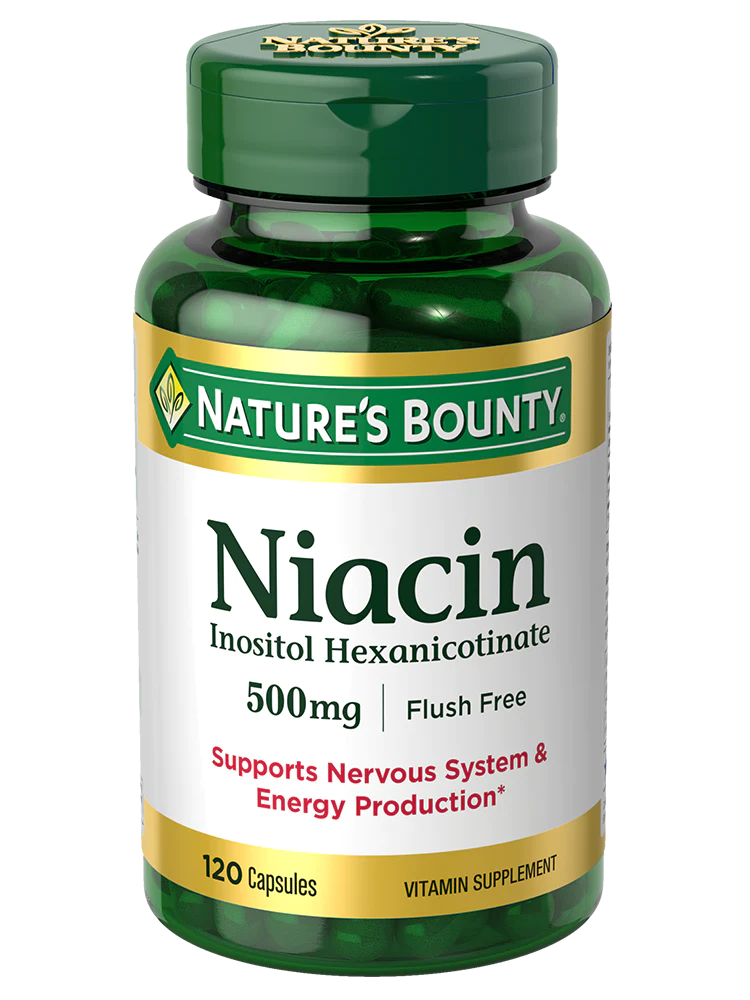
Niacin, also known as vitamin B3, is an essential nutrient that plays a vital role in many bodily functions. It is involved in the metabolism of every cell of our body, especially affecting skin health, the digestive tract, and the nervous system. Niacin is also known for its potential benefits in managing cholesterol levels.
Advertisement
However, an equally important question that arises is – how long does niacin last in the body? After ingestion, niacin is quickly absorbed into the bloodstream and distributed throughout the body to participate in various biochemical reactions.
The duration niacin stays in the body depends on several factors, including the dosage taken, the individual’s metabolic rate, age, overall health, and body mass. Niacin has a short half-life, which is the time it takes for the body to reduce the plasma drug levels by half. The half-life of niacin is approximately 20 to 45 minutes.
Advertisement
This means that within an hour of consumption, about 50% of the niacin dosage would be eliminated from your plasma. However, complete elimination of niacin from your system may take between 2 hours to 4 hours.
It’s important to note that while niacin may be eliminated from your system within a few hours, its metabolites might stay in the body for a longer duration. Niacin forms several metabolites, including nicotinamide and nicotinamide adenine dinucleotide (NAD), which may remain in the body for an extended period.
While niacin is generally safe for most people when taken in recommended amounts, high doses can cause side effects such as skin flushing, dizziness, and gastrointestinal issues. Therefore, it’s always advisable to consult with a healthcare professional before starting any new supplement regimen, including niacin.
In conclusion, while niacin is an essential nutrient with potential health benefits, it’s important to understand how it works in the body, including how long it stays in the system. As with any supplement, it’s crucial to use niacin responsibly and under the guidance of a healthcare professional. Remember, health is wealth, and it’s always better to be safe than sorry! Happy living!
Leave a Reply