

Niacin, also known as vitamin B3, is a water-soluble vitamin that plays a crucial role in our bodies. It is involved in over 400 biochemical reactions, including the conversion of food into energy. One of the significant benefits of niacin is its potential effect on cholesterol levels.
Advertisement
High cholesterol is a common condition that can lead to serious health complications like heart disease and stroke if not managed effectively. Lifestyle changes and medications are often recommended to control high cholesterol. Recently, the potential of niacin in managing cholesterol has gained attention.
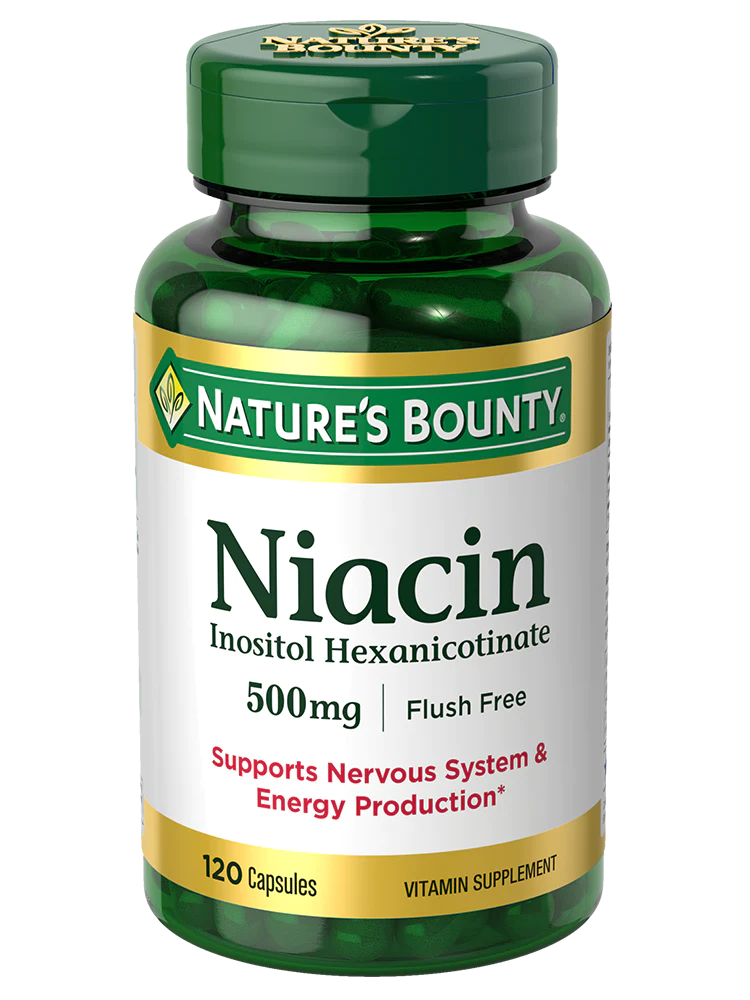
Niacin is found in various foods, including meat, fish, and nuts, and can also be taken in supplement form. It is a major component of two coenzymes involved in cellular metabolism, namely nicotinamide adenine dinucleotide (NAD) and nicotinamide adenine dinucleotide phosphate (NADP). These coenzymes help your body process components from food into usable energy.
Advertisement
Research suggests that niacin may have a positive effect on cholesterol levels. It has been used for a long time to lower triglycerides and to increase high-density lipoprotein (HDL) cholesterol, the “good” cholesterol. This “good” cholesterol helps remove low-density lipoprotein (LDL) cholesterol, the “bad” cholesterol, from the bloodstream.
However, the time it takes for niacin to lower cholesterol can vary greatly depending on several factors. These include the individual’s health, age, other medications they may be taking, lifestyle behaviors, and the dose of niacin. Typically, it may take a few weeks for niacin to alter cholesterol levels. However, some studies suggest that the benefit of niacin may take up to 15 years to show.
It’s important to note that while niacin may have potential benefits for cholesterol, it should not be used as a replacement for prescribed cholesterol medications or lifestyle modifications recommended by your healthcare provider.
High doses of niacin can cause serious side effects, including severe skin flushing, dizziness, nausea, and vomiting. Therefore, it’s crucial to consult with a healthcare professional before starting any new supplement regimen, including niacin.
In conclusion, niacin may have potential benefits for cholesterol, but more research is needed to fully understand its effects and the optimal dosage. Always consult with a healthcare professional before starting any new supplement regimen. Remember, your health is your wealth! Happy living!
Leave a Reply