

Niacin, also known as vitamin B3, is a nutrient that plays an essential role in our bodies. It’s found in foods such as liver, chicken, tuna, and salmon, and it’s also available as a supplement. Niacin helps the body convert food into energy and keeps the nervous system, digestive system, and skin healthy.
Advertisement
But can it help with blood flow to the brain and what does it do to blood vessels? Let’s explore this. Niacin has been linked to improved blood flow, particularly to the brain. It boosts the production of Nitric Oxide (NO), which relaxes blood vessels in your brain, thereby increasing cerebral blood flow.
This increased blood flow can potentially enhance cognitive function and overall brain health. Furthermore, studies have documented reduced cerebral blood flow in depressed patients and improved cerebral blood flow following antidepressant treatment. Niacin is believed to increase cerebral blood flow, so there is potential to use niacin supplementation along with prescription antidepressants.
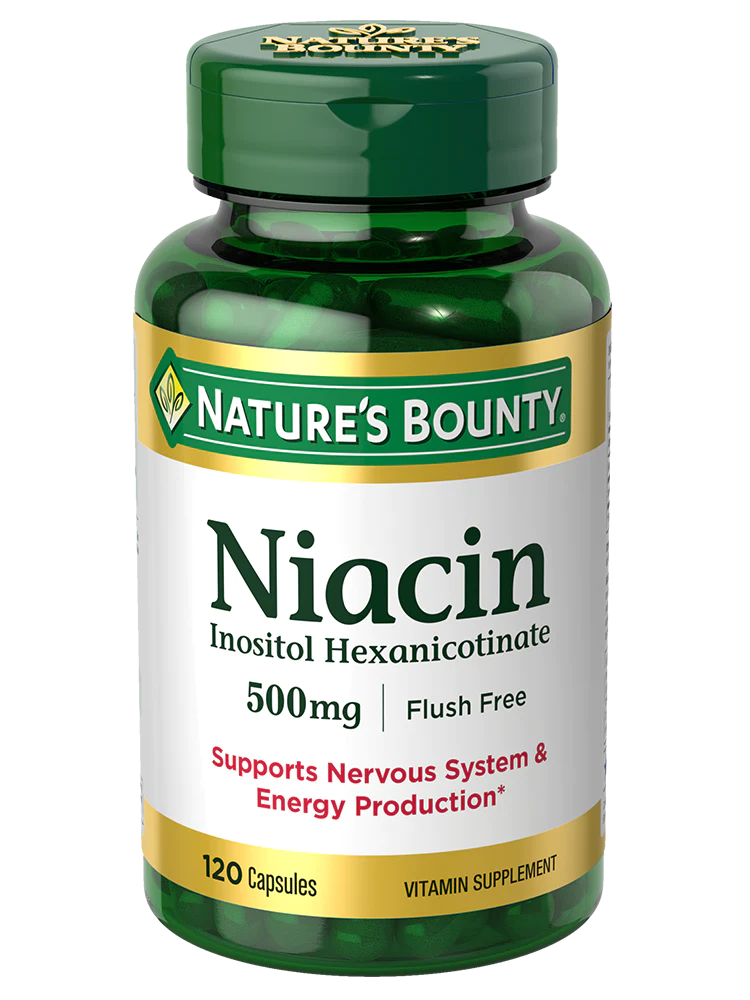
In addition to improving blood flow to the brain, niacin also has a significant impact on blood vessels. One of the roles of niacin is to release prostaglandins, chemicals that help your blood vessels widen. This widening of blood vessels improves blood flow and reduces blood pressure.
Advertisement
For this reason, niacin may play a role in the prevention or treatment of high blood pressure. Moreover, niacin improves endothelial cell function and lowers vascular inflammation, which further contributes to its beneficial effects on blood vessels.
However, it’s important to note that while niacin has these potential benefits, it can also cause serious side effects if taken in large doses. High doses of niacin can cause severe skin flushing combined with dizziness, nausea, and vomiting. Serious side effects are most likely if you take between 2,000 to 6,000 mg of niacin a day. If you think you might have overdosed on niacin, seek medical attention immediately.
In conclusion, while there seems to be some potential for niacin to help improve blood flow to the brain and positively impact blood vessels, there’s a lack of research on this topic. As always, if you’re considering taking niacin or any other supplement for these purposes, it’s important to talk to your healthcare provider.
They can provide guidance based on your individual health needs and circumstances. Remember, maintaining a balanced diet, regular exercise, and a healthy lifestyle are key to supporting overall health, including brain health and cardiovascular health.
Leave a Reply