

In the vibrant mosaic of cultural celebrations, the arrival of the new year is marked by a tapestry of traditions and festivities across Asia. Among the prominent celebrations are the Chinese New Year, Japanese New Year, and Korean New Year, each encapsulating unique customs and historical nuances. Let’s explore the distinctions and commonalities between these cultural festivities.
Advertisement
Chinese New Year: A Lunar Extravaganza
Date: Saturday, February 10, 2024
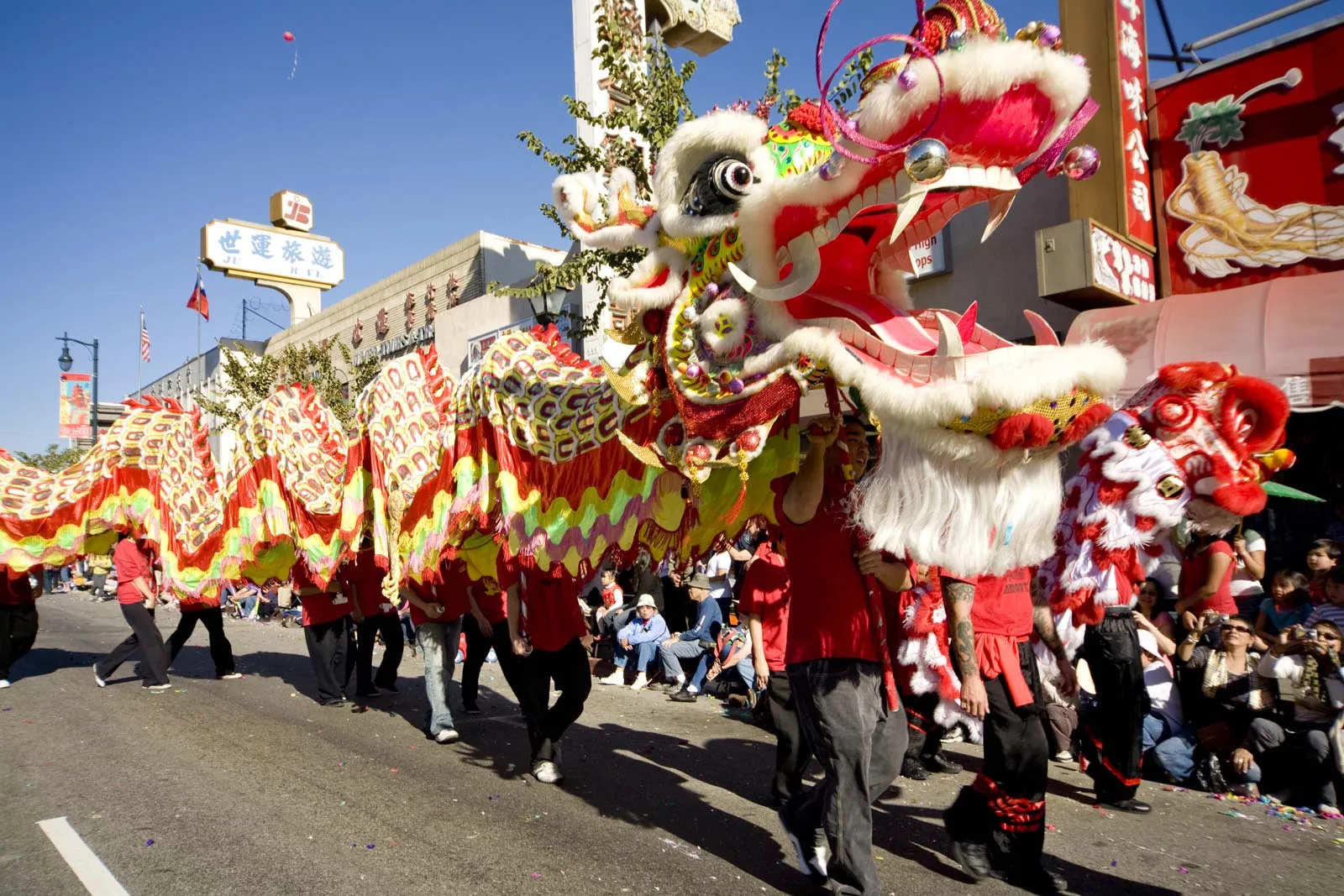
Chinese New Year, also known as the Spring Festival or Lunar New Year, is a beacon of tradition and cultural richness. This festival, rooted in the lunisolar Chinese calendar, symbolizes the commencement of a new lunar year. The festivities are characterized by vibrant parades, dragon dances, and the exchange of red envelopes symbolizing good luck.
Japanese New Year: A Fusion of Traditions
Historically, Japan embraced the Lunar New Year, aligning with the traditional Chinese lunar calendar. However, during the Meiji Era, a period marked by Japan’s pursuit of Westernization, the country transitioned to the Gregorian calendar. Consequently, the Japanese New Year now aligns with the global celebration on January 1.
Key Distinctions:
- While the timing shifted, Japan’s New Year celebrations retain elements of traditional customs, such as visiting shrines, enjoying special meals, and exchanging New Year’s cards called nengajo.
Korean New Year: Echoes of the Lunar Calendar
In Korea, the celebration of the Lunar New Year, known as Seollal, shares historical roots with Chinese traditions. Like its Chinese counterpart, Seollal is a time for family reunions, ancestral rituals, and paying respects to elders.
Advertisement
Notable Points:
- Seollal often aligns with the Chinese New Year, falling in late January or February. This synchronization results from both celebrations being based on the Chinese calendar or its variations.
Common Threads, Unique Expressions
While Chinese, Japanese, and Korean New Year celebrations exhibit parallels, they also showcase distinct cultural expressions:
1. Cultural Influences:
- Chinese New Year radiates with the richness of ancient Chinese customs and mythology.
- Japanese New Year reflects a fusion of traditional Shinto practices with modern influences.
- Korean New Year harmonizes Confucian traditions with familial reverence.
2. Traditional Practices:
- Shared practices include family gatherings, feasts, and the emphasis on honoring ancestors.
- Customs such as lion dances (Chinese), temple visits (Japanese), and ancestral rites (Korean) add unique flavors.
3. Calendar Variations:
- While Chinese and Korean New Years adhere to the lunar calendar, Japan’s adoption of the Gregorian calendar diverges in timing.
A Melody of Diversity
As the curtains rise on Asian New Year celebrations, the shared spirit of renewal, family bonds, and cultural heritage resounds across China, Japan, and Korea. While each nation weaves its narrative into the festivities, the tapestry of traditions reflects a shared appreciation for new beginnings—a melody of diversity harmonizing across the vast landscapes of Asia.
Leave a Reply