

As the world eagerly awaits the ushering in of a new lunar cycle, the vibrant and culturally rich festival of Chinese New Year takes center stage. Celebrating the beginning of a new year on the traditional lunisolar Chinese calendar, this jubilant occasion, also known as Lunar New Year or Spring Festival, carries deep cultural significance. In this article, we unravel the mysteries surrounding the timing of the Chinese New Year and explore the various names that encapsulate its essence.
Advertisement
When Exactly is Chinese New Year?
Chinese New Year is a movable feast that commences with the first new moon of the lunar calendar, concluding 15 days later on the first full moon. The fluidity of its date arises from the lunar calendar’s reliance on the cycles of the moon. As a result, the dates of this cherished holiday exhibit a delightful variability, falling anywhere between late January and mid-February each year.
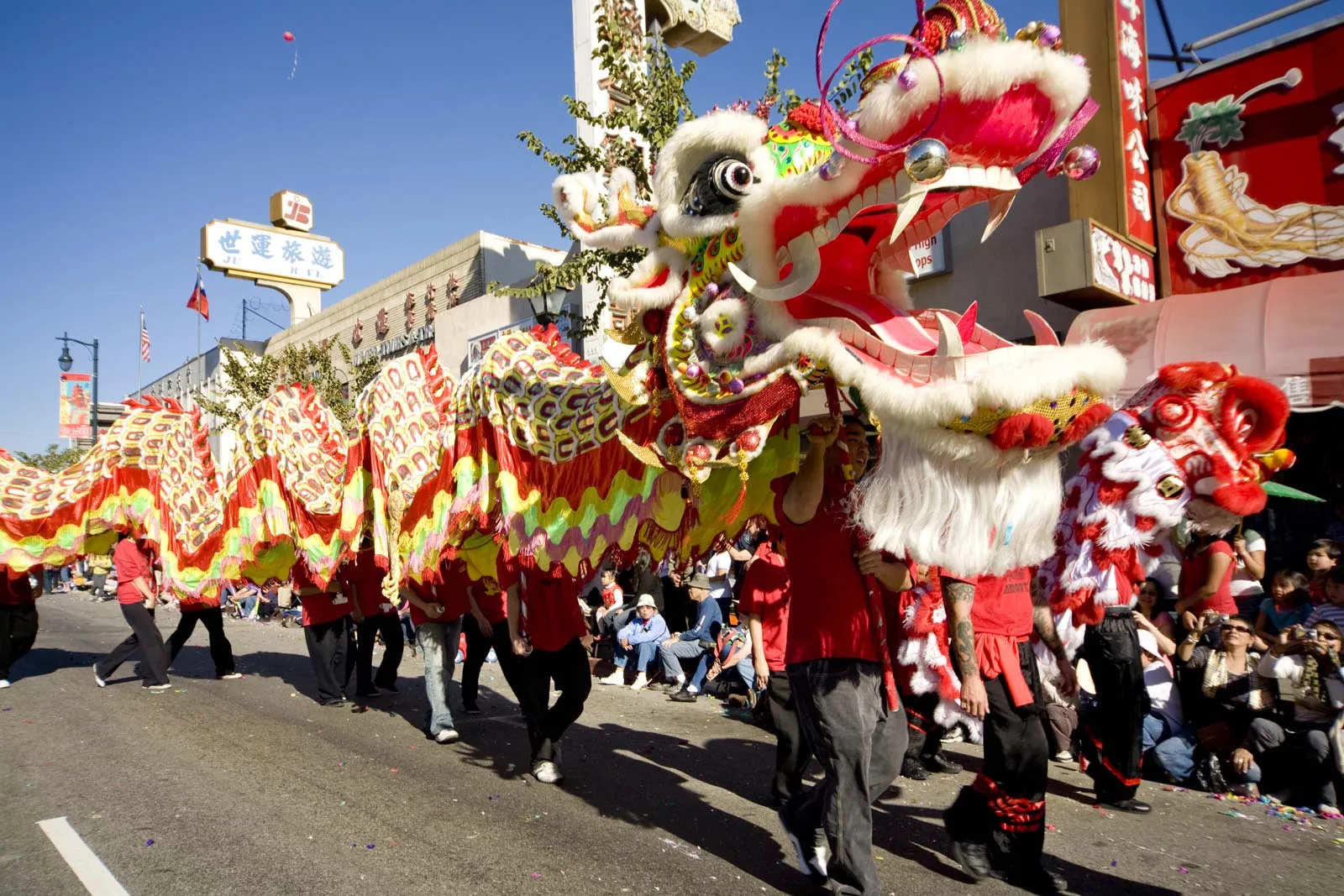
In 2024, the eagerly anticipated Chinese New Year will grace us on Saturday, February 10. The vibrant festivities will unfold, marking the beginning of the Year of the Dragon and setting the stage for a fortnight of joyous celebrations.
Advertisement
Alternate Names for Chinese New Year:
- Lunar New Year:
- The term “Lunar New Year” encapsulates the essence of this celebration, acknowledging its roots in the lunar calendar. Beyond China, the Lunar New Year is embraced by various Asian countries, fostering a sense of cultural unity across diverse regions.
- Spring Festival:
- Aptly named “Spring Festival,” Chinese New Year heralds the arrival of spring, symbolizing renewal, growth, and the blossoming of new beginnings. This title reflects the rejuvenation that accompanies the festival’s festivities.
Why the Lunar Calendar?
The adoption of the lunar calendar adds a layer of complexity to the determination of Chinese New Year’s date. Unlike the Gregorian calendar, which follows the solar year, the lunar calendar is based on the cycles of the moon. This unique approach results in a dynamic and fluid celebration, enriching the cultural tapestry of Chinese New Year.
Chinese New Year, with its fluid dates and multiple monikers, serves as a testament to the richness of Chinese culture and traditions. As the world unites to welcome the Year of the Dragon, the festival’s essence is encapsulated in its various names—Chinese New Year, Lunar New Year, and Spring Festival. May the upcoming festivities be a time of joy, familial bonds, and the embrace of new beginnings for all who partake in this vibrant celebration.
Leave a Reply