

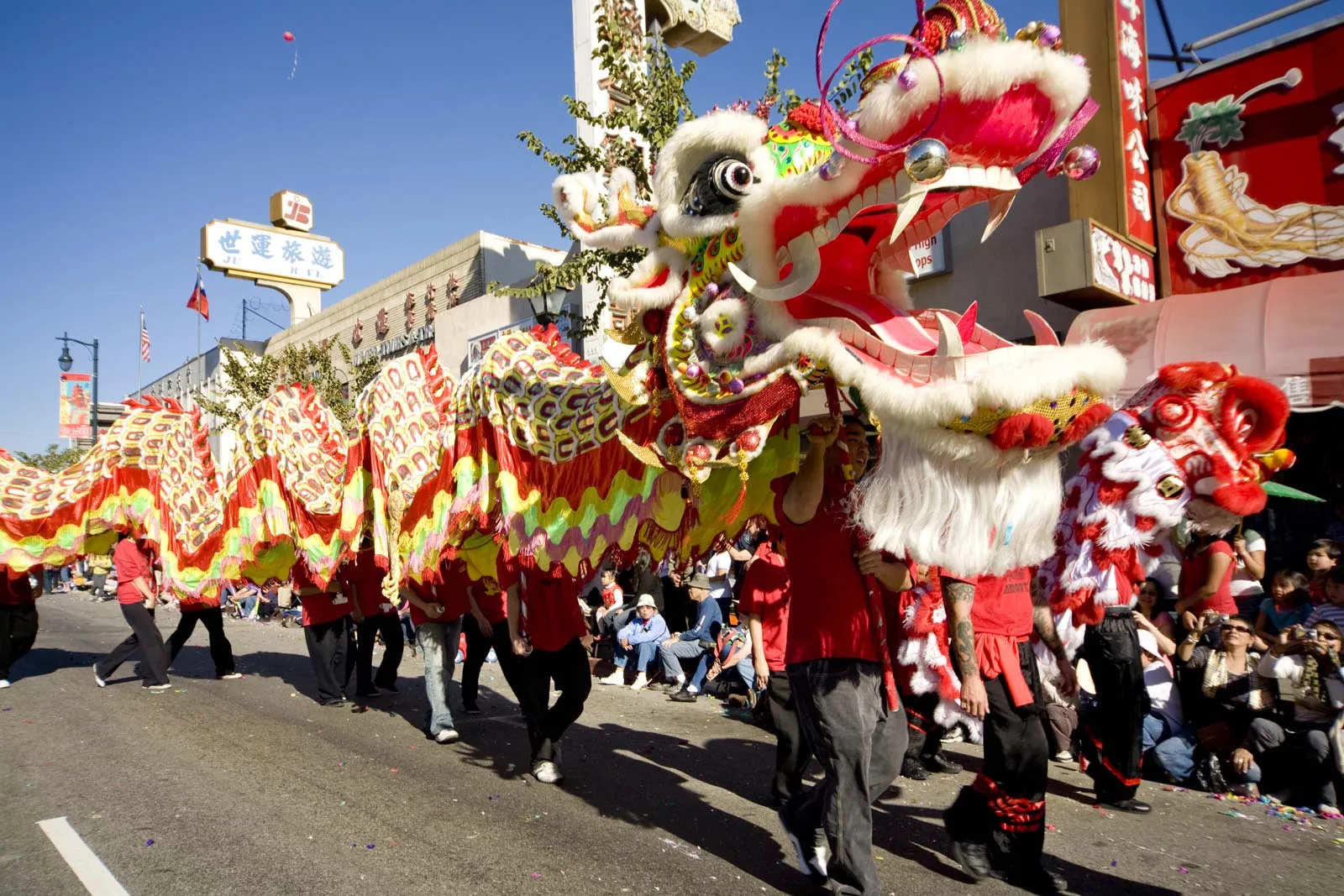
As the world eagerly awaits the dawn of the Year of the Dragon on Saturday, February 10, 2024, Chinese communities and Sinophone populations worldwide prepare to immerse themselves in the vibrant celebrations of Chinese New Year, also known as the Spring Festival or Lunar New Year. While the festival is primarily secular, its cultural rituals bear traces of profound influences from Confucianism, Buddhism, Taoism, and ancient myths.
Advertisement
A Secular Celebration: Chinese New Year is, at its core, a secular holiday commemorating the beginning of a new year on the traditional lunisolar Chinese calendar. Families gather, share feasts, exchange gifts, and partake in various festivities that transcend religious boundaries. The secular nature of the celebration has allowed it to evolve into a global phenomenon, with some of the grandest Lunar New Year celebrations occurring outside Asia.
Advertisement
Cultural Rituals and Religious Influences:
- Confucianism:
- Confucianism, with its emphasis on family, respect, and social harmony, has deeply influenced the cultural rituals of Chinese New Year. Family reunions, the honoring of ancestors, and the emphasis on filial piety during the festival resonate with Confucian values.
- Buddhism:
- Buddhist communities engage in practices during Chinese New Year that align with their beliefs. Temples may hold special ceremonies, and individuals may visit to seek blessings for the year ahead. The concept of karma and the pursuit of inner peace often find expression during this time.
- Taoism:
- Taoist influences are evident in the spiritual aspects of Chinese New Year, where rituals may include offerings to deities, seeking protection from evil spirits, and practicing traditional Taoist customs for good fortune.
- Ancient Myths and Folk Traditions:
- The festival incorporates elements from ancient myths and folk traditions. Legends of mythical creatures, symbolic rituals to ward off evil spirits, and traditional practices rooted in folklore add depth to the cultural tapestry of Chinese New Year.
Global Celebrations: The secular nature of Chinese New Year has allowed it to transcend cultural and religious boundaries, becoming a global celebration embraced by diverse communities. One of the most renowned celebrations takes place annually in San Francisco, where the city comes alive with vibrant parades, performances, and cultural exhibitions.
Chinese New Year stands as a testament to the harmonious coexistence of secular and spiritual elements within a celebration deeply rooted in tradition. As families, communities, and individuals come together to welcome the Year of the Dragon, they partake in a rich cultural tapestry woven with influences from Confucianism, Buddhism, Taoism, and ancient folklore. In the spirit of unity and joy, Chinese New Year exemplifies the essence of cultural celebrations that bridge the secular and the sacred, transcending borders and fostering a global sense of shared heritage.
Leave a Reply