
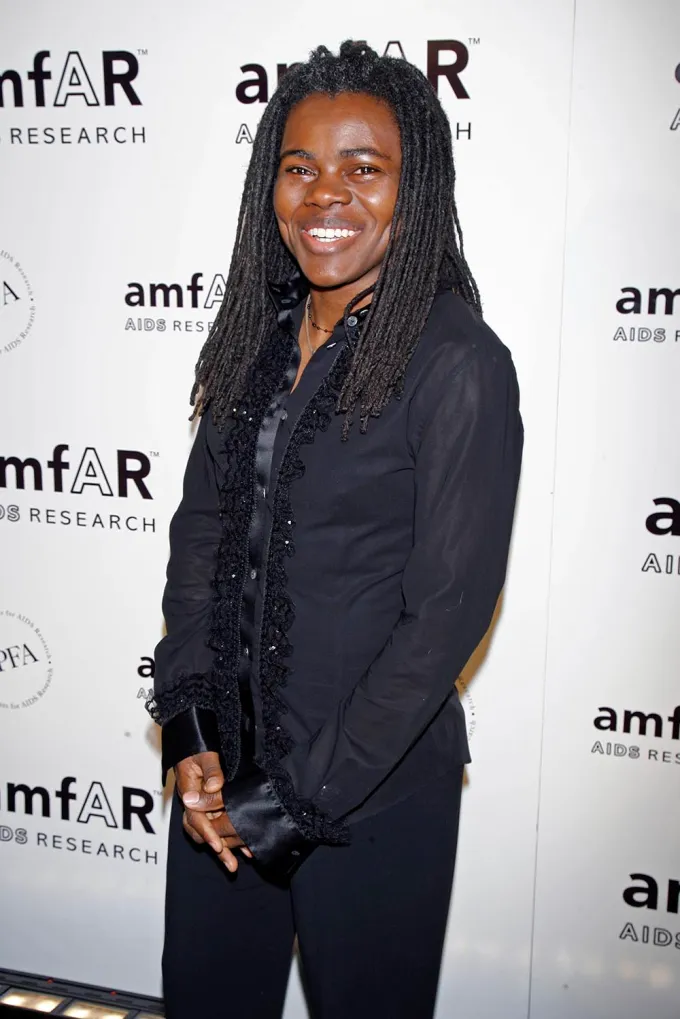
Tracy Chapman’s journey to stardom began when she was discovered by fellow Tufts University student Brian Koppelman in 1987.
Advertisement
Koppelman, impressed by Chapman’s talent and potential, offered to showcase her work to his father, who owned a successful publishing company. At first, Chapman didn’t perceive the offer as a serious opportunity.
However, as she continued to captivate audiences with her performances, Koppelman’s interest in Tracy Chapman’s music grew.
It was during this time that he stumbled upon a demo tape featuring her singing the powerful single “Talkin’ ’bout a Revolution.” Recognizing the potential of her unique sound and compelling lyrics, Koppelman took the initiative to promote the demo to various radio stations.
Tracy Chapman’s fortunes took a significant turn when her demo tape caught the attention of industry professionals. The exposure generated interest, leading to her eventual signing with Elektra Records. This pivotal moment marked the beginning of Chapman’s official foray into the music industry.
Advertisement
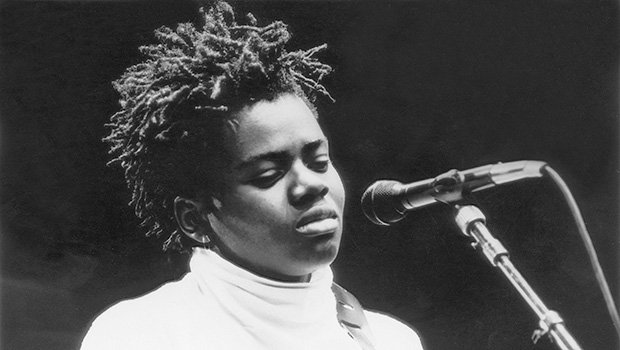
In 1988, just a year after being discovered, Tracy Chapman released her debut self-titled album, “Tracy Chapman.” The album proved to be a commercial triumph, further amplified by her impactful performance at the Nelson Mandela 70th Birthday Tribute concert.
Certified 6× Platinum by the Recording Industry Association of America (RIAA), the album garnered widespread acclaim. The success of “Tracy Chapman” was further validated at the Grammy Awards, where the singer-songwriter received six nominations.
Among these, Chapman clinched three Grammy Awards – Best New Artist, Best Female Pop Vocal Performance for her iconic single “Fast Car,” and Best Contemporary Folk Album. The accolades solidified Tracy Chapman’s status as a breakout artist and a force to be reckoned with in the music industry.
Leave a Reply