
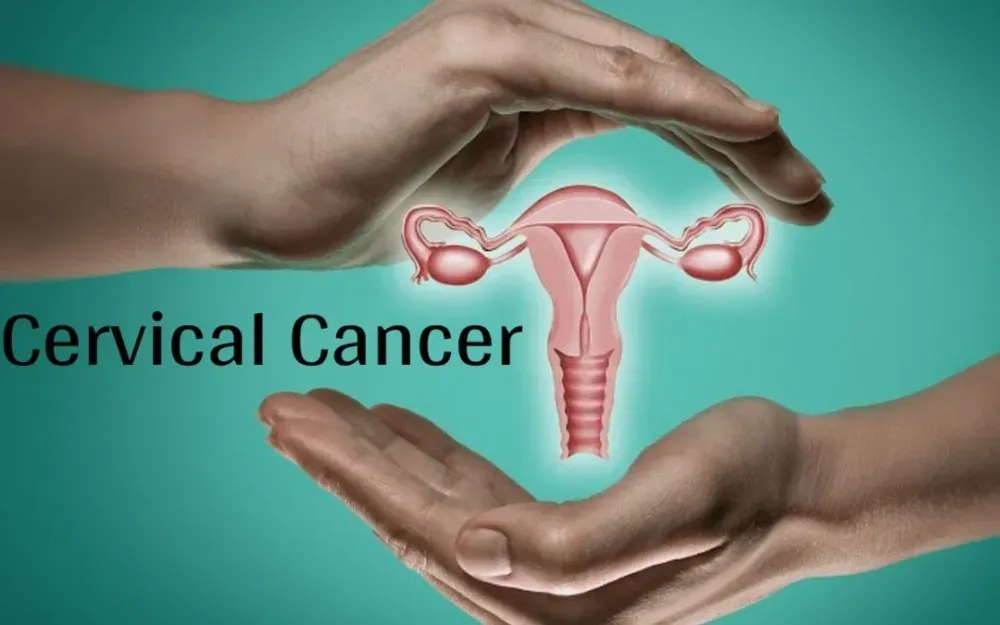
If you have cervical cancer, you may wonder if there are any foods that you should avoid or include in your diet. Diet and nutrition play a role in the development and prevention of cervical cancer, as they can affect your immune system and your body’s ability to fight off HPV, the virus that causes most cases of cervical cancer.
Advertisement
According to some research, foods that may help prevent or reduce the risk of cervical cancer include:

Fruits and vegetables, especially those rich in antioxidants, such as beta-carotene, lycopene, vitamin C, vitamin E, and vitamin A. These nutrients may help protect the cells of the cervix from damage and inflammation caused by HPV. Examples of antioxidant-rich foods are carrots, tomatoes, citrus fruits, broccoli, spinach, and berries.
Whole grains, beans, and legumes, which provide complex carbohydrates, fiber, and folate. These nutrients may help support your immune system and prevent DNA damage that can lead to cervical cancer. Examples of whole grains are oats, brown rice, quinoa, and whole wheat bread. Examples of beans and legumes are lentils, chickpeas, black beans, and soybeans.
Fish, nuts, seeds, and olive oils, which are healthy sources of unsaturated fats and omega-3 fatty acids. These fats may help reduce inflammation and modulate the immune response to HPV. Examples of fish are salmon, tuna, sardines, and mackerel. Examples of nuts and seeds are almonds, walnuts, sunflower seeds, and flaxseeds.
On the other hand, foods that may increase the risk of cervical cancer include:
Advertisement
- Processed meats, red meats, and fried foods, which are high in saturated and trans fats. These fats may increase inflammation and oxidative stress in the body, which can impair the immune system and promote cancer growth. Examples of processed meats are bacon, ham, sausages, and hot dogs. Examples of red meats are beef, pork, lamb, and veal. Examples of fried foods are french fries, chicken nuggets, doughnuts, and onion rings.
- Refined grains, added sugars, and sugary drinks, which are high in simple carbohydrates. These carbohydrates may cause spikes in blood sugar and insulin levels, which can stimulate the growth of cancer cells. Examples of refined grains are white bread, white rice, white pasta, and pastries. Examples of added sugars are table sugar, honey, maple syrup, and corn syrup. Examples of sugary drinks are soda, juice, sports drinks, and energy drinks.
- Alcohol and tobacco products (including cigarettes), which can damage the cells of the cervix and increase the risk of HPV infection and cervical cancer. Alcohol can also interfere with the absorption of some nutrients that may protect against cervical cancer.
The bottom line is that a balanced diet that includes plenty of fruits and vegetables, whole grains, beans, legumes, fish, nuts,
seeds and olive oils may help prevent or reduce the risk of cervical cancer, while a diet that includes processed meats, red meats, fried foods, refined grains, added sugars, sugary drinks, alcohol, and tobacco products may increase the risk.
However, diet is not the only factor that affects cervical cancer risk. Other factors include regular screening tests for HPV and cervical cancer, HPV vaccination, safe sexual practices, and avoiding exposure to environmental toxins.
If you have cervical cancer or are at high risk for it, you should consult with your doctor or a registered dietitian
for more personalized advice on your diet and other lifestyle modifications that may help you prevent or manage the condition.
Leave a Reply