
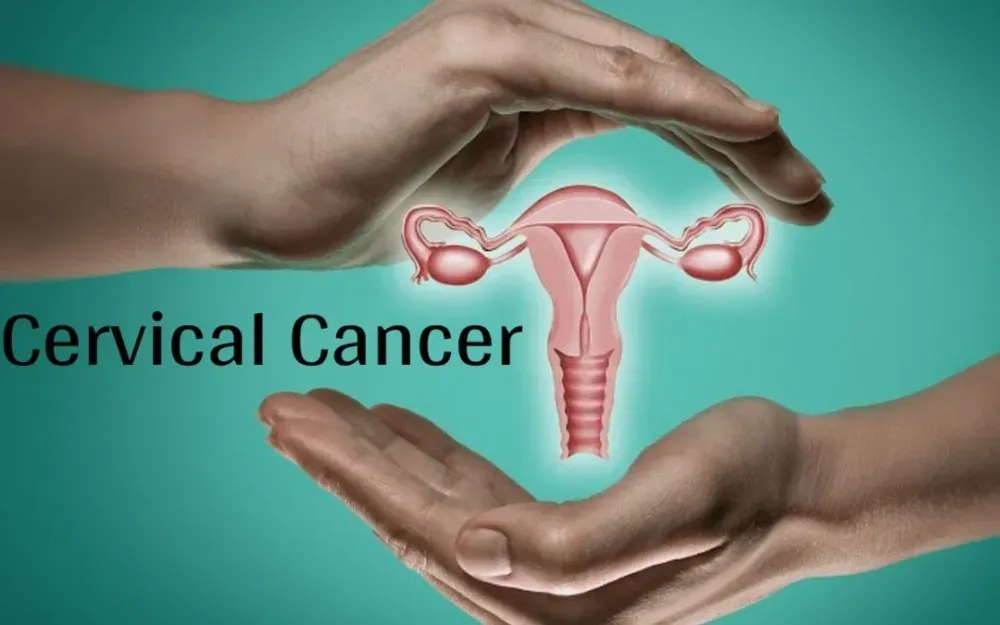
If you are looking for information about cervical cancer, you may be wondering what are the 4 stages of cervical cancer and what is the end stage of cervical cancer.
Advertisement
Cervical cancer is a type of cancer that starts in the cervix, which is the lower part of the uterus that connects to the vagina. Cervical cancer is usually caused by a persistent infection with certain types of human papillomavirus (HPV), which can be prevented by vaccination and regular screening.

The staging system for cervical cancer is based on the International Federation of Gynecology and Obstetrics (FIGO) criteria, which describe how far the cancer has grown into the cervix and whether it has spread to nearby tissues, lymph nodes, or distant organs. The stages range from I to IV, with higher numbers indicating more advanced cancer.
Stage I: The cancer is confined to the cervix and has not spread to nearby lymph nodes or distant sites. Stage I is further divided into two sub-stages:
– Stage IA: The cancer is very small and can only be seen under a microscope. It is less than 5 millimeters (mm) deep and 7 mm wide.
– Stage IB: The cancer is larger than stage IA or can be seen without a microscope. It may be more than 5 mm deep or 7 mm wide, or it may have grown into the tissue around the cervix.
Stage II: The cancer has grown beyond the cervix but has not reached the pelvic wall (the muscles and tissues that line the sides of the pelvis) or the lower part of the vagina. Stage II is also divided into two sub-stages:
– Stage IIA: The cancer has spread to the upper part of the vagina but not to the tissues around the uterus.
– Stage IIB: The cancer has spread to the tissues around the uterus but not to the pelvic wall.
Advertisement
Stage III: The cancer has spread to the lower part of the vagina or the pelvic wall, or it has caused kidney problems by blocking the ureters (the tubes that carry urine from the kidneys to the bladder). Stage III is also divided into two sub-stages:
– Stage IIIA: The cancer has spread to the lower third of the vagina but not to the pelvic wall.
– Stage IIIB: The cancer has spread to the pelvic wall or has blocked one or both ureters.
Stage IV: The cancer has spread beyond the pelvis to other organs, such as the bladder, rectum, liver, lungs, or bones. Stage IV is also divided into two sub-stages:
– Stage IVA: The cancer has invaded nearby organs, such as the bladder or rectum.
– Stage IVB: The cancer has spread to distant organs, such as the liver, lungs, or bones.

The end stage of cervical cancer is stage IVB, which means that the cancer has metastasized to distant parts of the body and cannot be cured by surgery or radiation. However, treatment may still be given to relieve symptoms and improve quality of life. The prognosis for stage IVB cervical cancer is poor, with a five-year survival rate of less than 15%.
The treatment options for cervical cancer depend on the stage, as well as other factors such as your age, general health, and preferences. In general, early-stage cervical cancer (stage I and some stage II) can be treated with surgery or radiation therapy, or a combination of both.
More advanced cervical cancer (some stage II and stage III) may require chemotherapy along with radiation therapy. Metastatic cervical cancer (stage IV) may be treated with chemotherapy alone or with targeted therapy or immunotherapy.
If you have been diagnosed with cervical cancer, it is important to talk to your doctor about your stage and what it means for your treatment and outlook.
Leave a Reply