
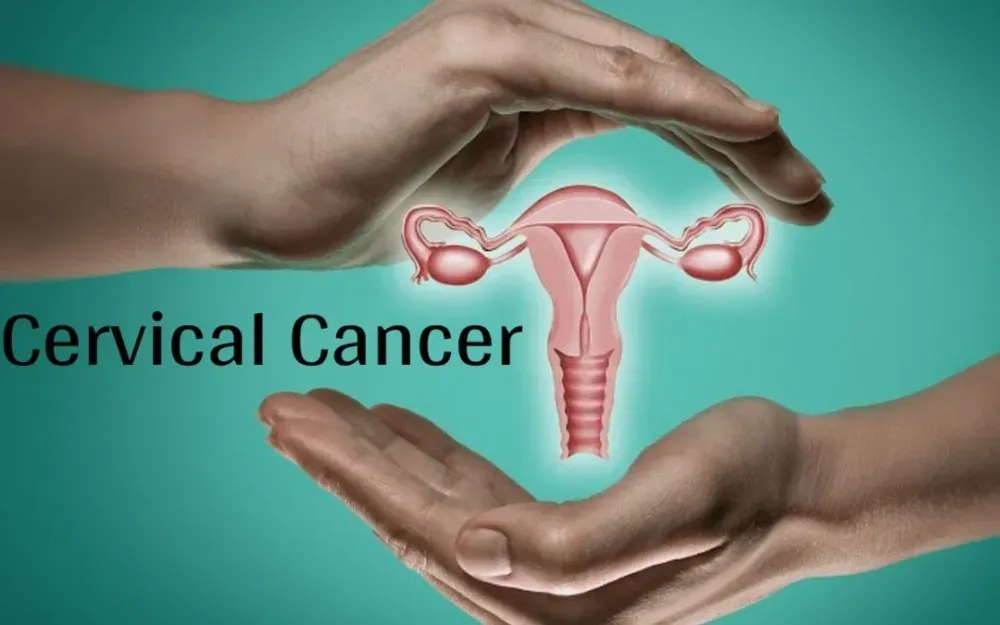
Cervical cancer is a serious disease that affects many women around the world. It is caused by a persistent infection with the human papillomavirus (HPV), which is a common sexually transmitted infection (STI).
Advertisement
HPV can affect the skin, genital area, and throat, and there are many different types of HPV. Some types can cause health problems, such as genital warts and cancers. Cervical cancer is the fourth most common cancer in women globally, with an estimated 604,000 new cases and 342,000 deaths in 2020.

The highest rates of cervical cancer incidence and mortality are in low- and middle-income countries, where access to vaccination, screening, and treatment services is limited. Women living with HIV are six times more likely to develop cervical cancer compared to women without HIV.
Advertisement
The good news is that cervical cancer can be prevented and cured if detected early and treated promptly. There are two main ways to prevent cervical cancer: vaccination against HPV and screening and treatment of pre-cancer lesions. HPV vaccination is recommended for girls aged 9 to 14 years, before they become sexually active, and can protect them from the most common types of HPV that cause cervical cancer.
Screening tests can detect abnormal cells in the cervix that may become cancerous if left untreated. These cells can be removed or destroyed by various methods, such as cryotherapy, loop electrosurgical excision procedure (LEEP), or surgery.
Treatment options for cervical cancer depend on the stage of the disease, the location and size of the tumor, the type of cancer (squamous cell or adenocarcinoma), the age and overall health of the woman, and whether she wants to have children in the future. Treatment options may include surgery, radiation therapy, chemotherapy, or a combination of these.
Cervical cancer is not an STI, but it is caused by an STI. HPV can be transmitted through sexual contact, even if there are no symptoms or visible warts. The best way to protect yourself from HPV and cervical cancer is to get vaccinated, get screened regularly, use condoms during sex, limit your number of sexual partners, and avoid smoking. Cervical cancer can be cured if diagnosed at an early stage and treated promptly.
Leave a Reply