
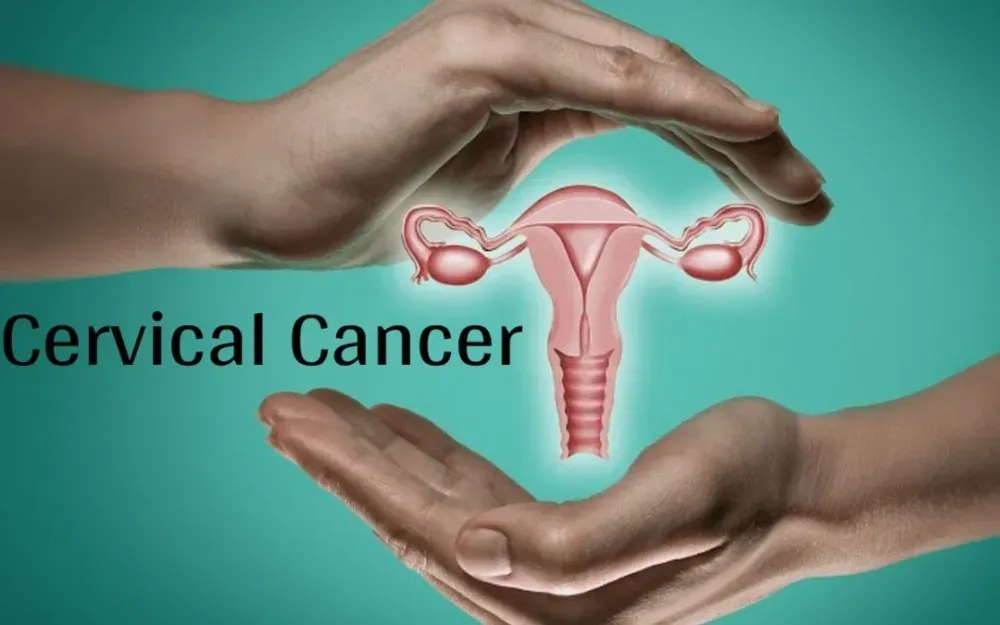
Cervical cancer is a type of cancer that starts in the cervix, the lower part of the uterus that connects to the vagina. It is usually caused by human papillomavirus (HPV), a common sexually transmitted infection. Cervical cancer can be prevented by getting regular Pap tests and HPV vaccines.
Advertisement
Cervical cancer can be classified into four stages, depending on how far it has spread from the cervix to nearby tissues, organs, lymph nodes, or distant parts of the body. The stage of cervical cancer affects the treatment options and the prognosis (chance of survival).

Stage 1 cervical cancer is when the cancer is only in the cervix and has not spread to other parts of the body. Stage 1 cervical cancer has a high survival rate and can be treated with surgery, radiation therapy, or chemotherapy, depending on the size and depth of the tumor and the patient’s preference.
Stage 2 cervical cancer is when the cancer has spread beyond the cervix to the upper part of the vagina or the tissue around the uterus. Stage 2 cervical cancer can be treated with surgery, radiation therapy, chemotherapy, or a combination of these methods, depending on the extent of the spread and the patient’s preference.
Advertisement
Stage 3 cervical cancer is when the cancer has spread to the lower part of the vagina, the pelvic wall (the tissues that line the part of the body between the hips), or nearby lymph nodes. Stage 3 cervical cancer can be treated with radiation therapy, chemotherapy, or a combination of these methods, but surgery is usually not an option.
Stage 4 cervical cancer is when the cancer has spread to distant organs, such as the bladder, rectum, liver, lungs, or bones. Stage 4 cervical cancer is very difficult to treat and has a low survival rate. The main goal of treatment is to relieve symptoms and improve quality of life.
The survival rate for cervical cancer is based on how many people with the same type and stage of cervical cancer are alive five years after their diagnosis, compared with people who do not have cervical cancer. According to the National Cancer Institute (NCI), based on data from 2010 to 2016:
- The five-year relative survival rate for stage 1 cervical cancer is 91%.
- The five-year relative survival rate for stage 2 cervical cancer is 60%.
- The five-year relative survival rate for stage 3 cervical cancer is 36%.
- The five-year relative survival rate for stage 4 cervical cancer is 19%.
These numbers are only estimates and do not reflect individual factors that may affect your prognosis, such as your age, general health, response to treatment, and other health conditions. Your doctor can give you more information about your specific outlook and treatment options.
Leave a Reply