
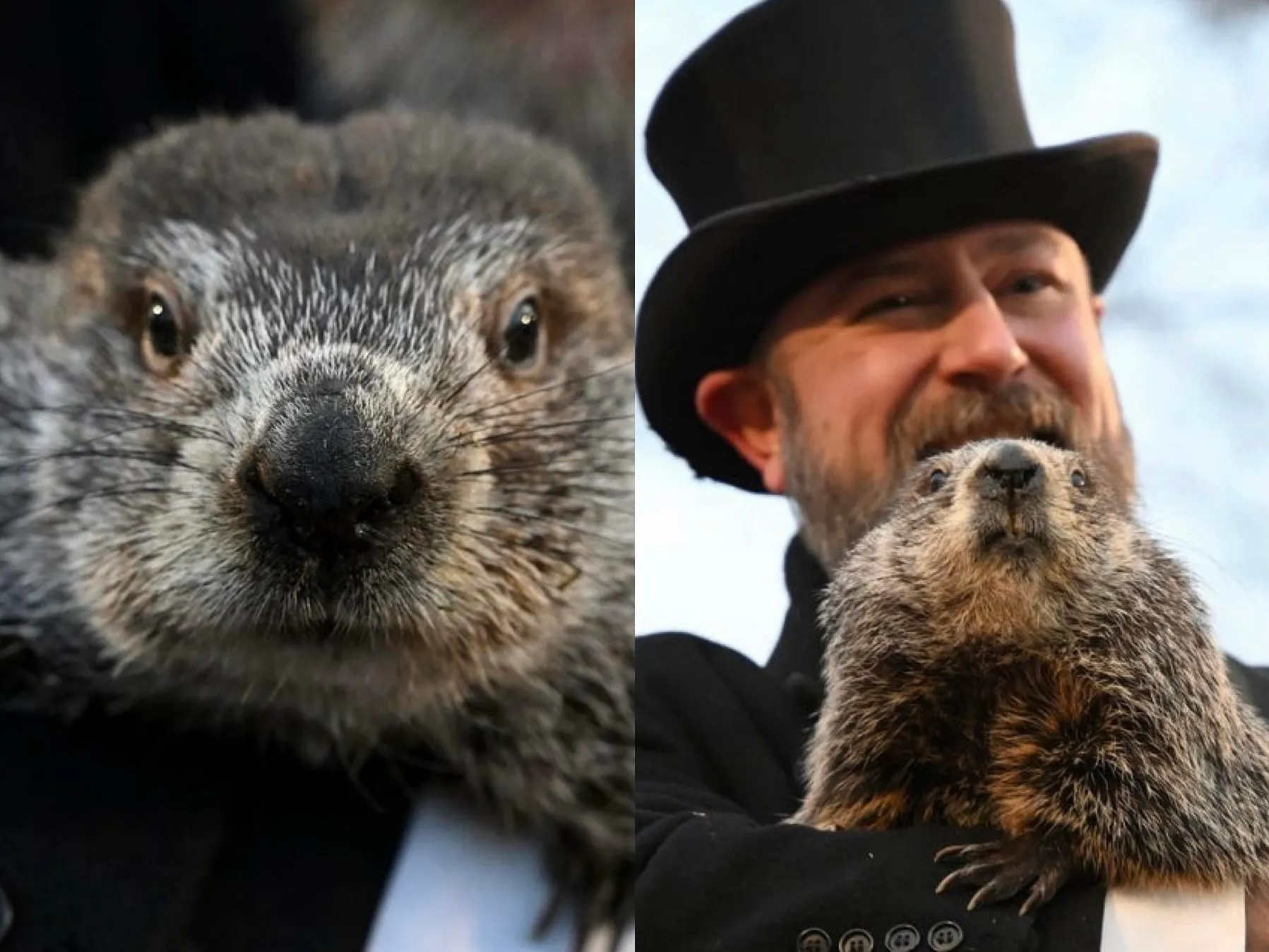
Groundhog Day is a tradition observed in the United States and Canada on February 2 of every year. It is based on the belief that if a groundhog emerges from its burrow on this day and sees its shadow, it will retreat to its den and winter will last for six more weeks; if it does not see its shadow, spring will arrive early.
Advertisement
The origin of this tradition can be traced back to the German-speaking areas of Europe, where the badger was the forecasting animal. The weather lore was related to the Christian festival of Candlemas, which also falls on February 2.
Advertisement
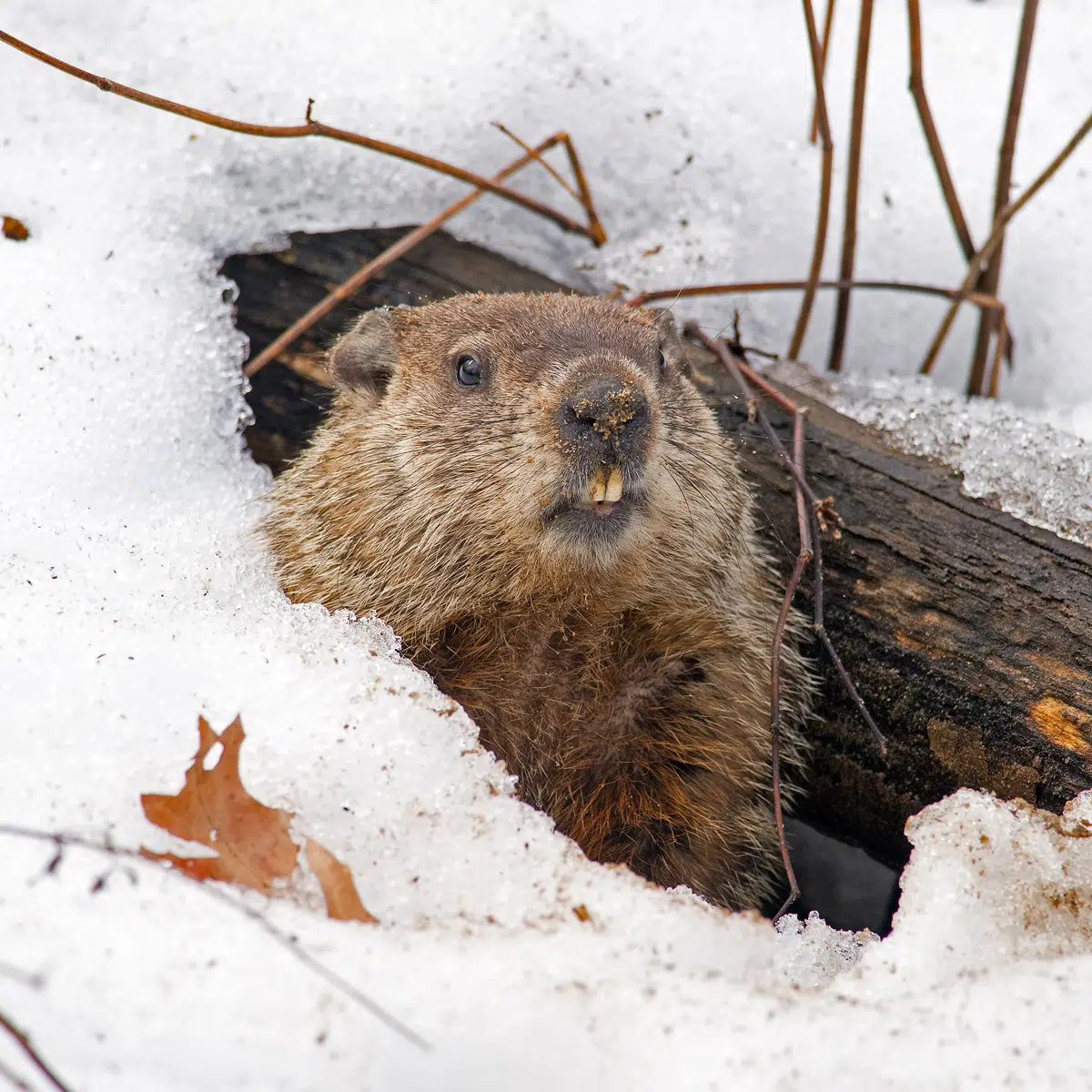
The most famous groundhog in North America is Punxsutawney Phil, who lives in Punxsutawney, Pennsylvania. He has been the center of a yearly ceremony since 1887, attracting thousands of visitors and media attention. According to his handlers, he has never been wrong in his predictions, but a statistical analysis shows that his accuracy is less than 40%.
Canada also has several groundhogs that serve as weather prognosticators, such as Wiarton Willie, a white-furred, pink-eyed groundhog that has appeared on the Bruce Peninsula, northwest of Toronto, since 1956.
Groundhog Day ends when the groundhog makes its prediction and returns to its burrow. The prediction is then announced to the public and reported by the media. Some people celebrate the day with festivals, parties, or other activities related to groundhogs or weather.
Leave a Reply