

James Arthur Baldwin, the iconic American writer and civil rights activist, left an indelible mark on literature and society.
Advertisement
On December 1, 1987, Baldwin’s remarkable journey came to an end as he succumbed to stomach cancer in Saint-Paul-de-Vence, France.
His departure marked the conclusion of a life devoted to challenging societal norms and confronting issues of racial injustice.
During his final days, Baldwin was under the care of Fred Nall Hollis, a friend who had shared a bond with him since the early 1970s.
Their friendship, forged at the Café de Flore over drinks, endured through profound conversations about racism in Alabama and the personal struggles each faced.
Nall, expressing gratitude, told Baldwin that his books had liberated him from the guilt associated with bigotry and homosexuality. Baldwin, in turn, insisted that Nall had liberated him by revealing these truths.
Baldwin’s burial took place at the Ferncliff Cemetery in Hartsdale, near New York City, serving as a final resting place for a literary giant whose words would continue to resonate long after his passing.
Advertisement
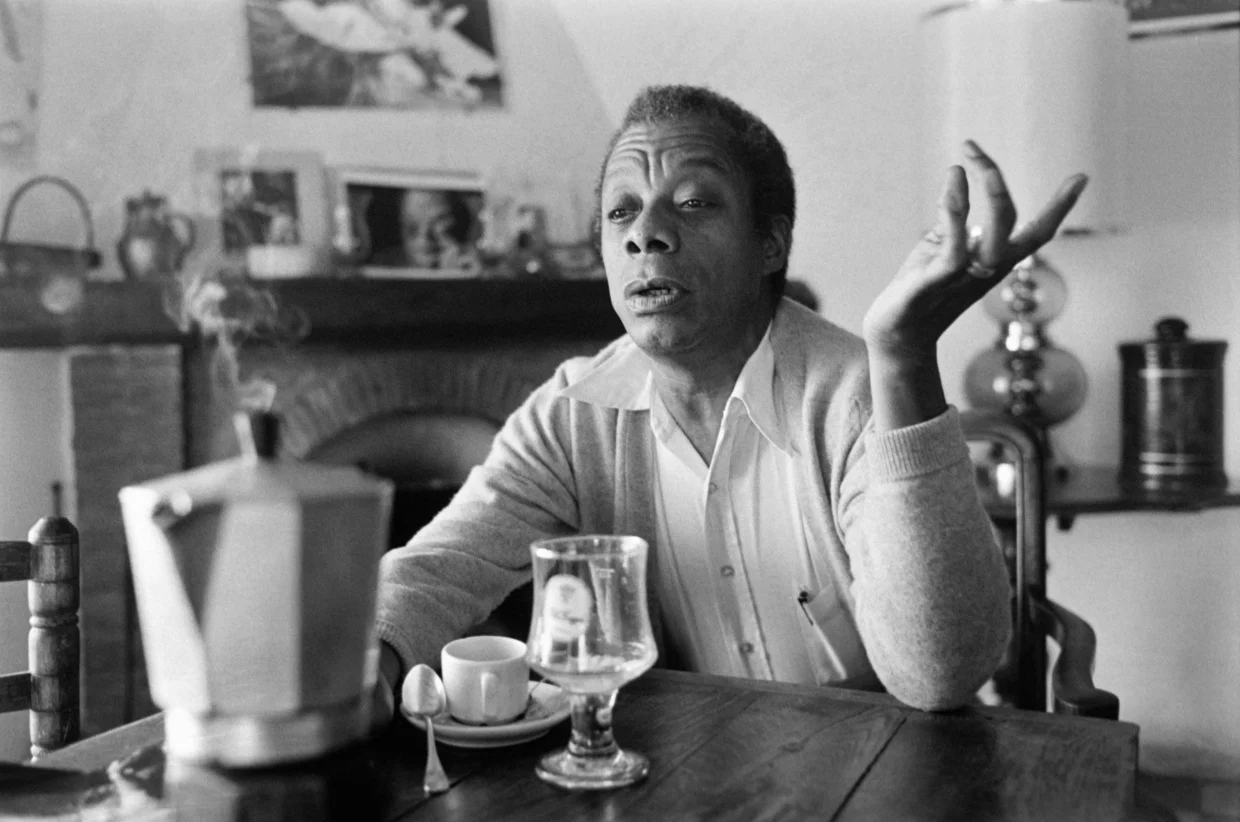
His influence extended beyond his written works, transcending cultural and societal boundaries. The legacy of James Baldwin endured posthumously, with his works finding new life on the screen.
The unfinished manuscript, “Remember This House,” became the foundation for the powerful documentary film “I Am Not Your Negro” (2016), nominated for Best Documentary Feature at the 89th Academy Awards.
Additionally, Baldwin’s novel “If Beale Street Could Talk” was adapted into the critically acclaimed film of the same name in 2018, winning an Academy Award.
Baldwin’s exploration of race, identity, and societal issues continues to be relevant, and his impact on literature and activism remains profound.
As we reflect on the life and passing of James Baldwin, we recognize that his words continue to be a source of inspiration, challenging us to confront the complexities of the human experience.
Leave a Reply