
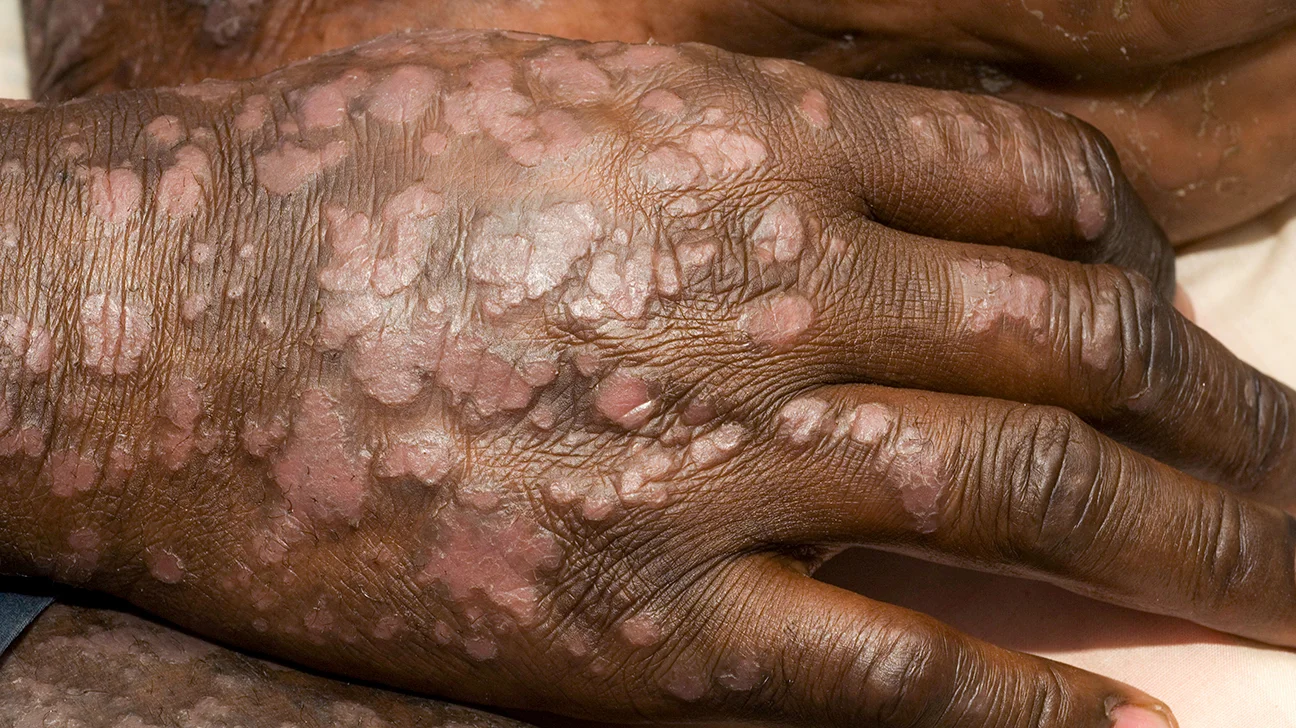
There is no known cure for psoriasis. Psoriasis is considered a chronic condition, meaning that it tends to persist over time. However, there are various treatment options available to manage symptoms, reduce flare-ups, and improve the quality of life for individuals with psoriasis.
Advertisement
The goal of treatment is typically to control symptoms, alleviate discomfort, and slow down the excessive skin cell growth associated with psoriasis. Treatment approaches may include topical medications, phototherapy (light therapy), oral medications, and biologics, depending on the severity of the condition.
Advertisement

Regarding pain in psoriasis, not everyone with psoriasis experiences pain, but some individuals may have discomfort, itching, or soreness associated with their skin lesions. Psoriasis-related pain is often described as a burning or stinging sensation, and it can vary in intensity.
The pain may be more pronounced in areas where the skin is thicker, such as the palms of the hands or soles of the feet, or in joints affected by psoriatic arthritis. It’s essential to communicate any discomfort or pain you may be experiencing with your healthcare provider, as they can tailor a treatment plan to address your specific symptoms and concerns.
Leave a Reply