

If you have psoriasis, you may wonder if bleach can help your condition. Psoriasis is a chronic autoimmune disorder that causes your skin cells to grow faster than normal, leading to itchy, scaly patches of skin. Bleach is a chemical that can kill bacteria and fungi, but can also irritate your skin and eyes.
Advertisement
According to some sources, bleach baths may help psoriasis by reducing itchiness, inflammation, and the risk of skin infections. However, there is not enough evidence to support this claim, and bleach baths may have some potential side effects, such as:
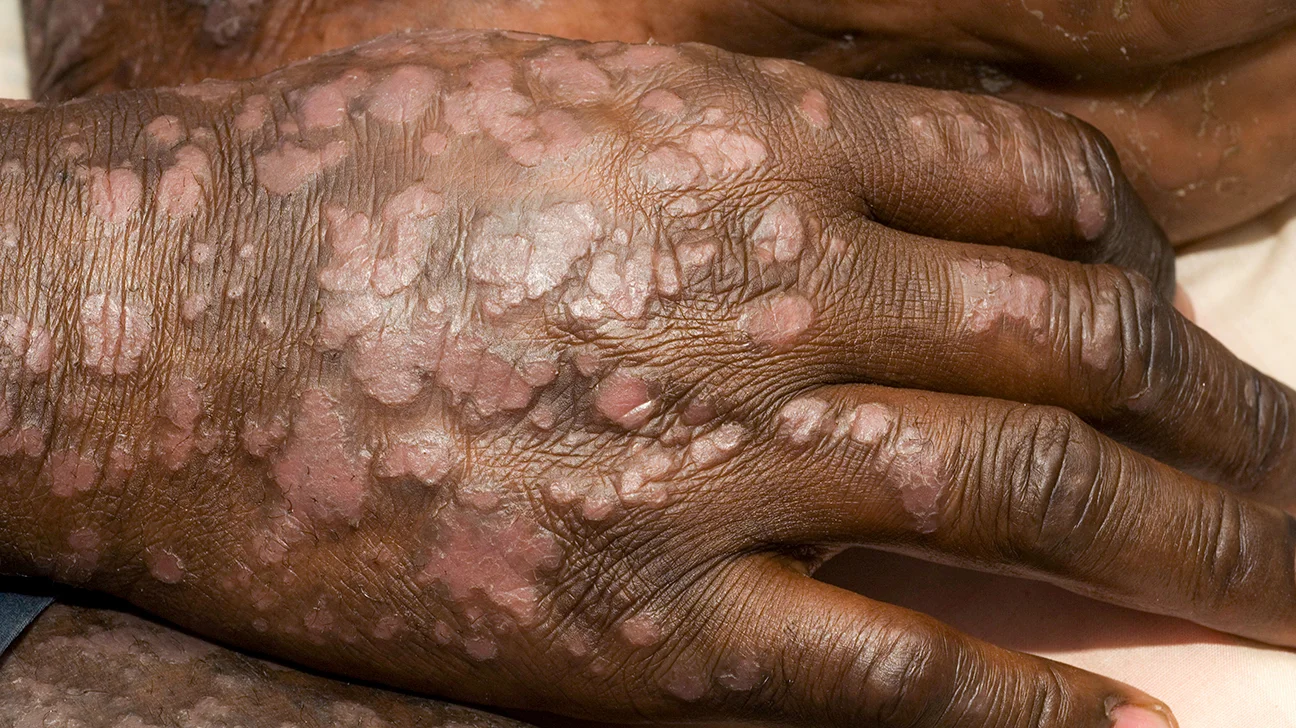
– Drying out your skin
– Causing allergic reactions
– Damaging open wounds or sores
– Sensitizing you to bleach fumes
Advertisement
Therefore, bleach baths are not recommended for psoriasis without consulting a dermatologist first. They may be helpful for some people with mild to moderate psoriasis, but they are not a substitute for proper medical treatment. Bleach baths should be done with caution, following these steps:
– Use only regular household bleach (not concentrated or scented)
– Dilute the bleach with water in a ratio of 1/2 cup of bleach per 40 gallons of water (or about 1 teaspoon per gallon)
– Fill the bathtub with lukewarm water (not hot)
– Add the diluted bleach and mix well
– Soak for no more than 10 minutes
– Rinse off with fresh water and pat dry
– Apply a moisturizer or lotion to your skin
If you experience any irritation, burning, itching, or redness during or after the bath, stop immediately and rinse off with fresh water. Seek medical attention if the symptoms persist or worsen.
Bleach baths are not a cure for psoriasis, and they may not work for everyone. They should be used as an adjunct therapy, along with other treatments prescribed by your doctor.
Leave a Reply