
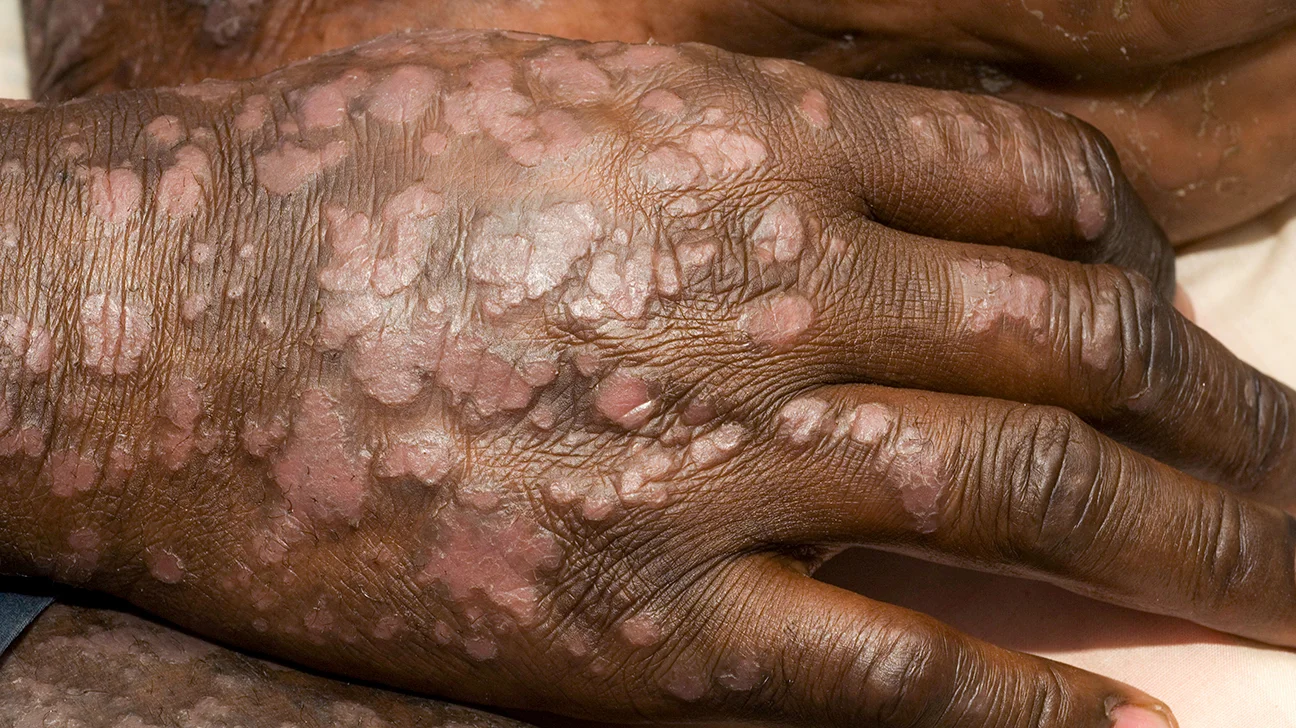
Psoriasis is not a contagious condition, so it doesn’t spread from person to person through contact. However, psoriasis can spread to different areas of the skin on the same individual.
Advertisement
Here are some general strategies to help prevent the spread and manage psoriasis:

Avoid Scratching: Scratching or picking at psoriasis plaques can worsen the condition and lead to the spread of lesions. Try to resist the urge to scratch, and keep your nails short to minimize potential damage to the skin.
Moisturize Regularly: Keeping the skin well-hydrated with moisturizers can help soothe dryness and reduce the risk of new psoriasis lesions forming. Use fragrance-free and hypoallergenic moisturizers.
Gentle Skincare: Use mild, fragrance-free soaps and cleansers to avoid irritating the skin. Pat your skin dry after bathing instead of rubbing, and avoid hot water, as it can contribute to dryness.
Advertisement
Manage Stress: Stress can trigger or exacerbate psoriasis flare-ups. Practice stress-reduction techniques such as meditation, yoga, or deep breathing exercises to help manage stress levels.
Avoid Psoriasis Triggers: Identify and avoid factors that can trigger psoriasis flare-ups in your specific case. Common triggers include stress, certain medications, infections, and injuries to the skin.
Sun Exposure: Limited exposure to natural sunlight can be beneficial for some individuals with psoriasis. Ultraviolet (UV)B light can help manage symptoms. However, it’s important to discuss sun exposure with a healthcare provider to ensure it is done safely.
Follow Treatment Plans: If you have been prescribed medications or topical treatments by your healthcare provider, follow the recommended treatment plan consistently. This can help control symptoms and prevent the spread of psoriasis.
Regular Medical Check-ups: Attend regular check-ups with your dermatologist or healthcare provider to monitor your psoriasis and adjust the treatment plan as needed.
Leave a Reply