

If you have psoriasis, you may be wondering what is the fastest and best treatment for your condition. Psoriasis is a chronic skin disease that causes red, scaly patches on your skin, often accompanied by itching, burning, and pain. Psoriasis is not contagious, but it can affect your quality of life and self-esteem.
Advertisement
There is no cure for psoriasis, but there are many treatments that can help you manage your symptoms and prevent flare-ups. The type of treatment you need depends on how severe your psoriasis is, where it is on your body, and how it affects you.
Some treatments are applied directly to the skin (topical), some are taken by mouth (oral), and some are given by injection or infusion (systemic). Topical treatments are usually the first option for mild to moderate psoriasis. They include:
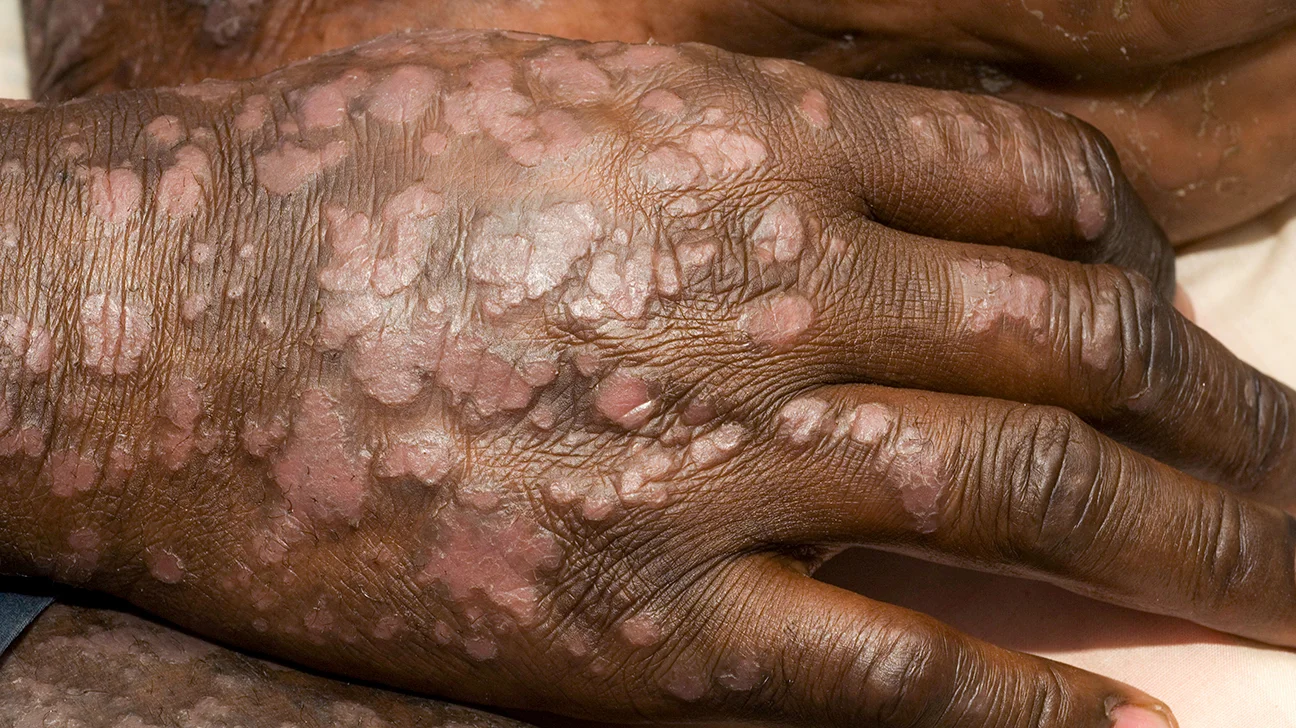
Steroid creams: These reduce inflammation and slow down the growth of skin cells. They can be bought over the counter or prescribed by your doctor. They should be used sparingly and only for short periods, as they can cause side effects such as skin thinning, irritation, and increased risk of infection.
Salicylic acid: This helps soften and remove the scales on your skin. It can be found in some shampoos, lotions, and ointments. It can also cause skin irritation and temporary hair loss if used too much or too long.
Vitamin D analogues: These mimic the effects of vitamin D on your skin and help regulate the growth of skin cells. They are available as creams, ointments, or solutions. They can be used alone or in combination with steroid creams. They can cause skin irritation and sensitivity to sunlight.
Retinoids: These are derived from vitamin A and help normalize the growth of skin cells. They are available as gels, creams, or foams. They can cause skin irritation, dryness, and increased sensitivity to sunlight. They should not be used by pregnant or breastfeeding women or those who plan to become pregnant.
Advertisement
Immunomodulators: These are non-steroidal drugs that modify the immune system and reduce inflammation. They are available as creams or ointments. They can be used for sensitive areas such as the face, groin, or skin folds. They can cause burning, itching, and increased risk of infection.
Topical treatments may not work for everyone or for all areas of the body. If your psoriasis is severe or does not respond to topical treatments, you may need other options such as:
Phototherapy: This involves exposing your skin to ultraviolet (UV) light under medical supervision. UV light can slow down the growth of skin cells and reduce inflammation. Phototherapy can be done in a clinic or at home with a special device. It can cause side effects such as skin aging, burning, blistering, and an increased risk of skin cancer.
Oral medications: These are pills that affect the whole body and target the immune system or the inflammation process. They include methotrexate, cyclosporine, acitretin, apremilast, and others. They can be effective for severe or widespread psoriasis, but they can also cause serious side effects such as liver damage, kidney damage, high blood pressure, infections, and birth defects.
Systemic biologic treatments: These are injections or infusions that target specific molecules involved in the immune system or the inflammation process. They include etanercept, infliximab, adalimumab, ustekinumab, secukinumab, ixekizumab, brodalumab, guselkumab, tildrakizumab, risankizumab, bimekizumab, mirikizumab, abrocitinib, and others. They can be very effective for moderate to severe psoriasis that does not respond to other treatments, but they can also cause serious side effects such as infections, allergic reactions, and increased risk of cancer.
The fastest treatment for psoriasis may vary depending on your case and how you respond to different options. The best psoriasis treatment is the one that works for you and that you can use safely and consistently.
Leave a Reply