

Psoriasis on the face is a chronic skin condition that causes scaly, red patches on the forehead, around the eyes, on the cheeks, chin, nose, or mouth. It can affect your self-esteem and confidence, but there are treatments available to manage it.
Advertisement
Psoriasis treatments aim to stop skin cells from growing so quickly and to remove scales. Options include creams and ointments (topical therapy), light therapy (phototherapy), and oral or injected medications.
For psoriasis on the face, topical treatments are usually preferred because they are less likely to cause side effects than systemic drugs. Some of the topical treatments that may help reduce psoriasis on the face are:
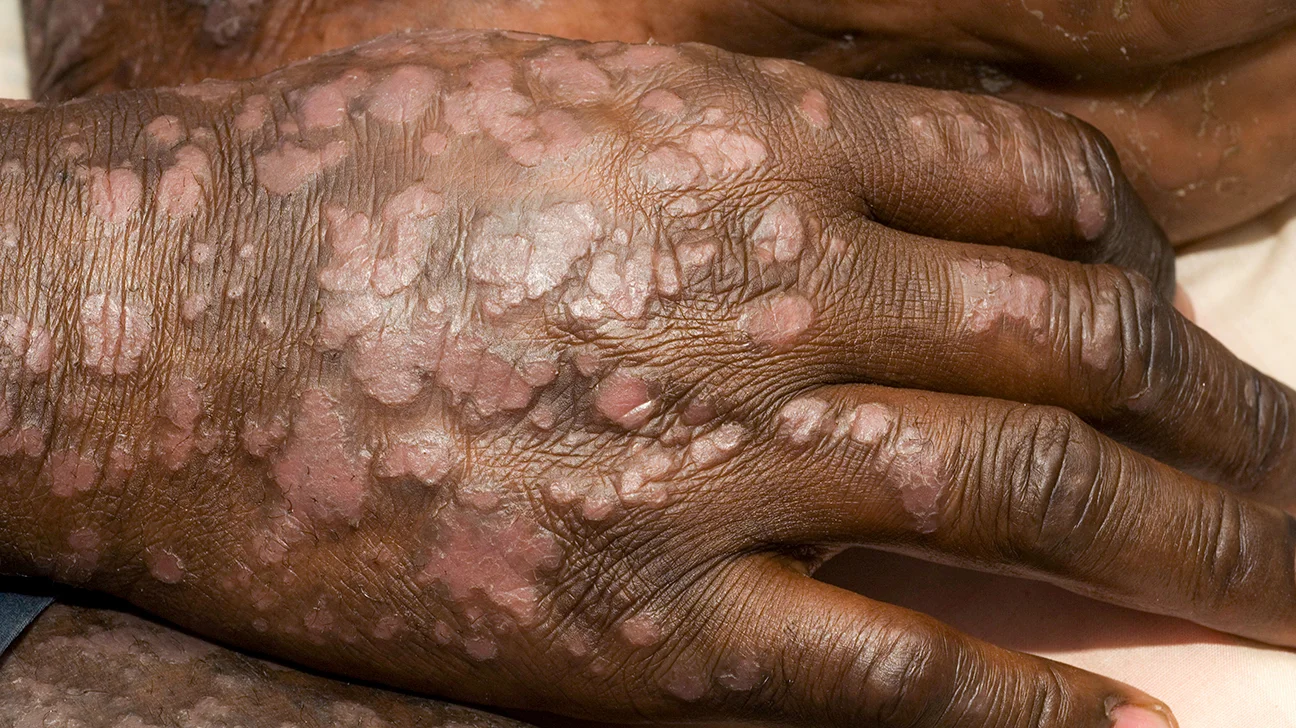
Corticosteroids: These are anti-inflammatory drugs that can reduce redness, itching, and swelling. They come in different strengths and forms, such as creams, ointments, gels, foams, sprays, and shampoos. Mild corticosteroids are usually recommended for sensitive areas, such as the face or skin folds. Stronger corticosteroids should be used with caution and for short periods of time because they can thin the skin and cause other problems.
Vitamin D analogs: These are synthetic forms of vitamin D that slow down skin cell growth. They include calcipotriene (Dovonex, Sorilux) and calcitriol (Vectical). They can be used alone or with corticosteroids. They may cause less irritation than other topical treatments, but they can be more expensive.
Advertisement
Retinoids: These are derivatives of vitamin A that normalize skin cell growth and reduce inflammation. They include tazarotene (Tazorac, Avage). They can be applied once or twice a day, but they can cause skin irritation and increased sensitivity to light. They are not recommended for pregnant or breastfeeding women or those who plan to become pregnant.
Calcineurin inhibitors: These are drugs that suppress the immune system and reduce inflammation. They include tacrolimus (Protopic) and pimecrolimus (Elidel). They can be especially helpful in areas of thin skin, such as around the eyes, where steroid creams or retinoids may be too harsh. They are not recommended for long-term use because they may increase the risk of skin cancer and lymphoma.
In addition to topical treatments, you may also benefit from light therapy, which involves exposing your skin to controlled amounts of natural or artificial light. This can help slow down skin cell growth and reduce inflammation. Light therapy can be done at home or in a doctor’s office, but it requires careful monitoring and protection from sunburn.
Oral or injected medications may be prescribed for severe or resistant cases of psoriasis on the face. These include methotrexate, cyclosporine, acitretin, biologics, and newer drugs such as apremilast and ixekizumab. These drugs work by targeting different parts of the immune system that are involved in psoriasis.
However, they can also cause serious side effects such as liver damage, kidney problems, infections, and an increased risk of cancer. Therefore, they are usually reserved for people who have not responded to other treatments or who have other health conditions that make psoriasis worse.
Leave a Reply