

If you have psoriasis, you may wonder how swimming in salt water or a chlorinated pool can affect your skin. Psoriasis is a chronic inflammatory skin condition that causes red, scaly patches on the skin. It can be triggered by various factors, such as stress, infections, medications, or weather changes.
Advertisement
According to the National Psoriasis Foundation (NPF), swimming in salt water can help remove dead skin and improve the appearance of psoriasis. Saltwater has anti-inflammatory and antiseptic properties that can soothe the skin and prevent infections. Salt water also contains minerals, such as magnesium, potassium, and calcium, that can help hydrate and heal the skin.
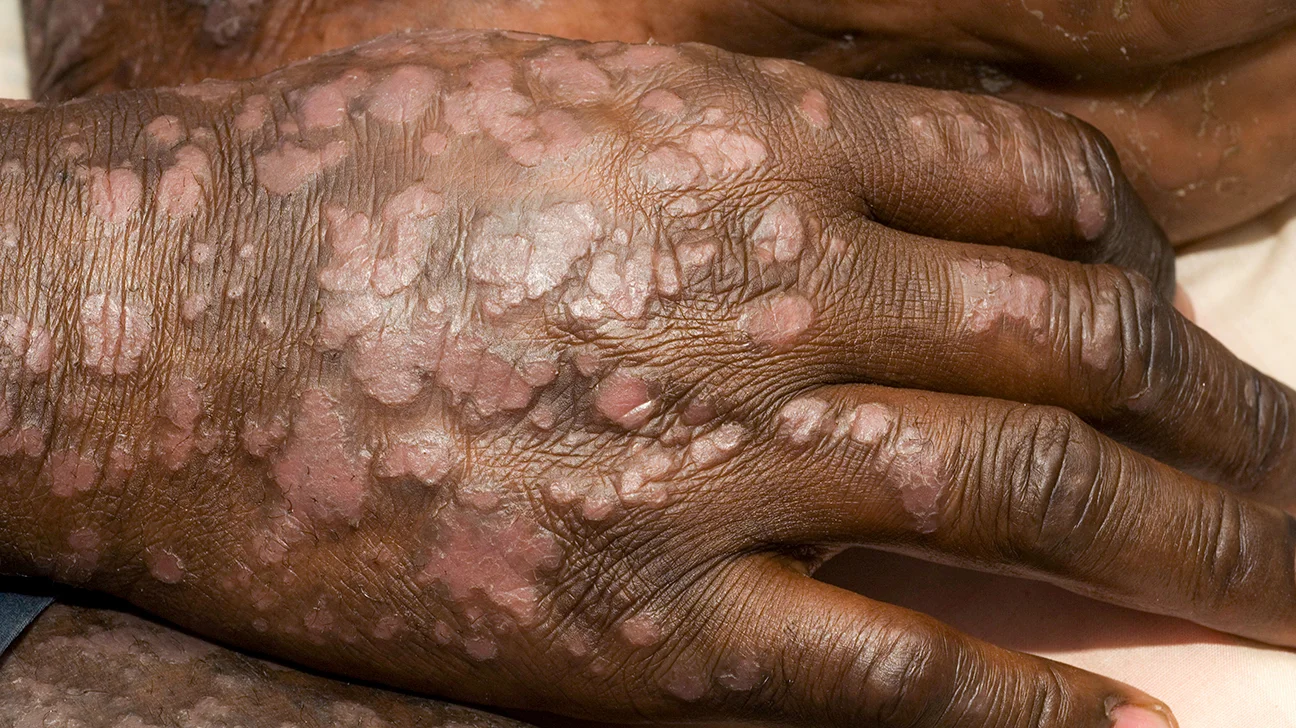
Some studies have shown that saltwater baths, also known as balneotherapy, can significantly improve psoriasis symptoms and reduce inflammation. Many people with psoriasis travel to the Dead Sea, one of the saltiest bodies of water on Earth, to benefit from its therapeutic effects. The Dead Sea salt also contains bromide, which can help calm the nervous system and reduce stress.
Advertisement
However, not everyone has access to a natural saltwater source. In that case, you can try swimming in a saltwater pool or soaking in a Dead Sea salt bath at home. You can find Dead Sea salt products online or in health stores.
Chlorinated water, on the other hand, can be harsh on psoriasis skin. The chemicals used in pools can increase skin irritation and dryness. Chlorine can also strip away the natural oils from the skin and disrupt the skin barrier function.
That does not mean you have to avoid chlorinated pools altogether. You can still enjoy swimming in a pool if you take some precautions to protect your skin. For example, you can limit your swim time, rinse off after you get out, and moisturize after swimming.
Leave a Reply