

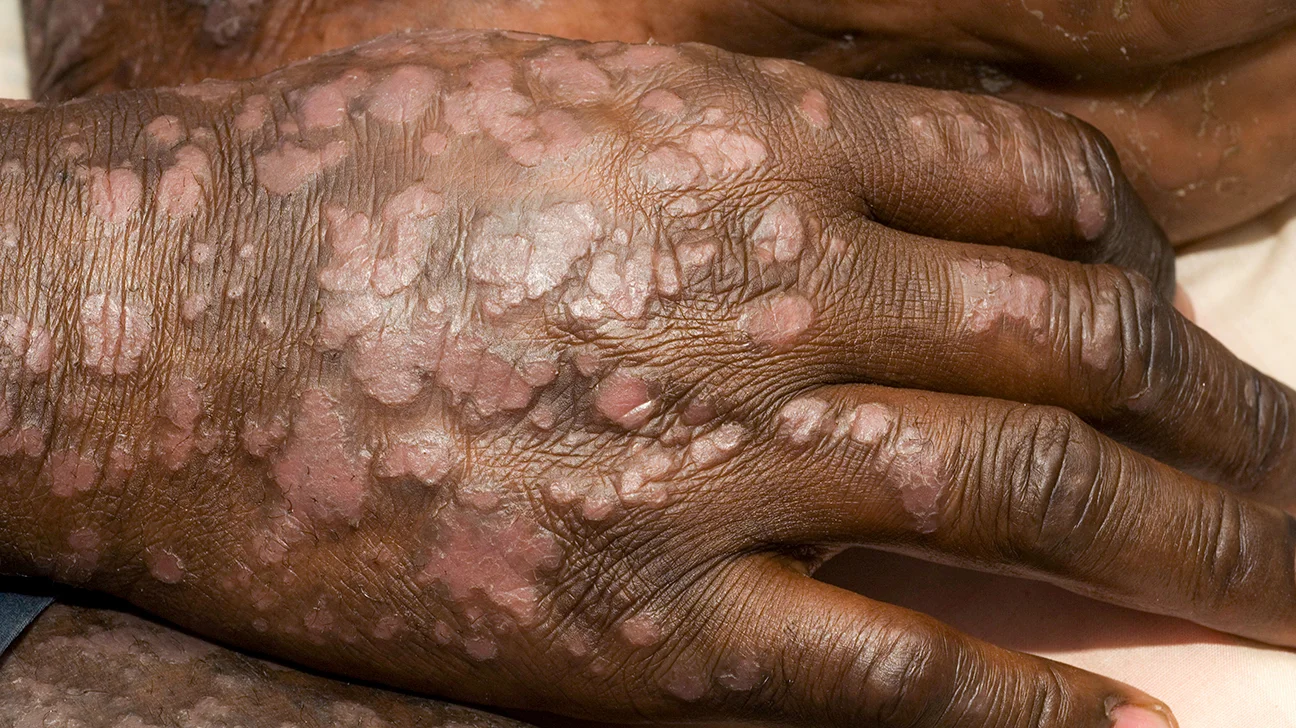
Psoriasis is a chronic skin condition that causes red, scaly patches on various parts of the body. It is an autoimmune disease, which means that the immune system mistakenly attacks healthy cells.
Advertisement
Psoriasis can affect anyone, but it is more common in people with a family history of the disease or certain triggers, such as infections, stress, or medications. Psoriasis can also cause complications that affect other organs and systems in the body. Some of these complications are:
Celiac disease: This is a condition where the immune system reacts to gluten, a protein found in wheat, barley, and rye. People with celiac disease have to avoid gluten, otherwise they may experience digestive problems, anemia, and malnutrition. Some studies have found that people with psoriasis are more likely to have antibodies for celiac disease, suggesting a possible link between the two conditions. A gluten-free diet may help some people with psoriasis reduce their symptoms, but this should be done under medical supervision.
Mouth problems: Psoriasis can affect the mucous membranes in the mouth, causing fissures in the tongue, lesions in the gums and cheeks, and dryness. These problems can make it hard to eat, speak, and maintain oral hygiene. They may also increase the risk of infections and tooth decay. Good oral care and regular dental checkups are important for people with psoriasis.
Advertisement
Inflammatory bowel disease (IBD): This is a group of conditions that cause inflammation in the digestive tract, such as Crohn’s disease and ulcerative colitis. People with IBD may experience diarrhea, abdominal pain, weight loss, and bleeding. Some research has suggested that people with psoriasis have a higher risk of developing IBD, possibly due to shared genetic factors or immune system dysfunction. Treatment for IBD may include anti-inflammatory drugs, immunosuppressants, biologics, and surgery.
Vitamin D deficiency: Vitamin D is a nutrient that helps the body absorb calcium and maintain bone health. It also plays a role in immune system regulation and inflammation control. Vitamin D is mainly produced by the skin when exposed to sunlight, but it can also be obtained from some foods and supplements. People with psoriasis may have lower levels of vitamin D due to reduced sun exposure or impaired skin synthesis. Vitamin D deficiency can lead to bone loss, muscle weakness, increased infections, and depression. People with psoriasis should get their vitamin D levels checked regularly and take supplements if needed.
Cancer: Psoriasis itself does not cause cancer, but some factors associated with psoriasis may increase the risk of certain types of cancer. These include chronic inflammation, smoking, alcohol consumption, obesity, and exposure to ultraviolet light or certain medications. Some studies have found that people with psoriasis have a higher risk of developing skin cancer, lymphoma, lung cancer, and bladder cancer. People with psoriasis should avoid smoking and drinking alcohol, maintain a healthy weight, protect their skin from sun damage, and follow their doctor’s advice on medication use and cancer screening.
Leave a Reply