
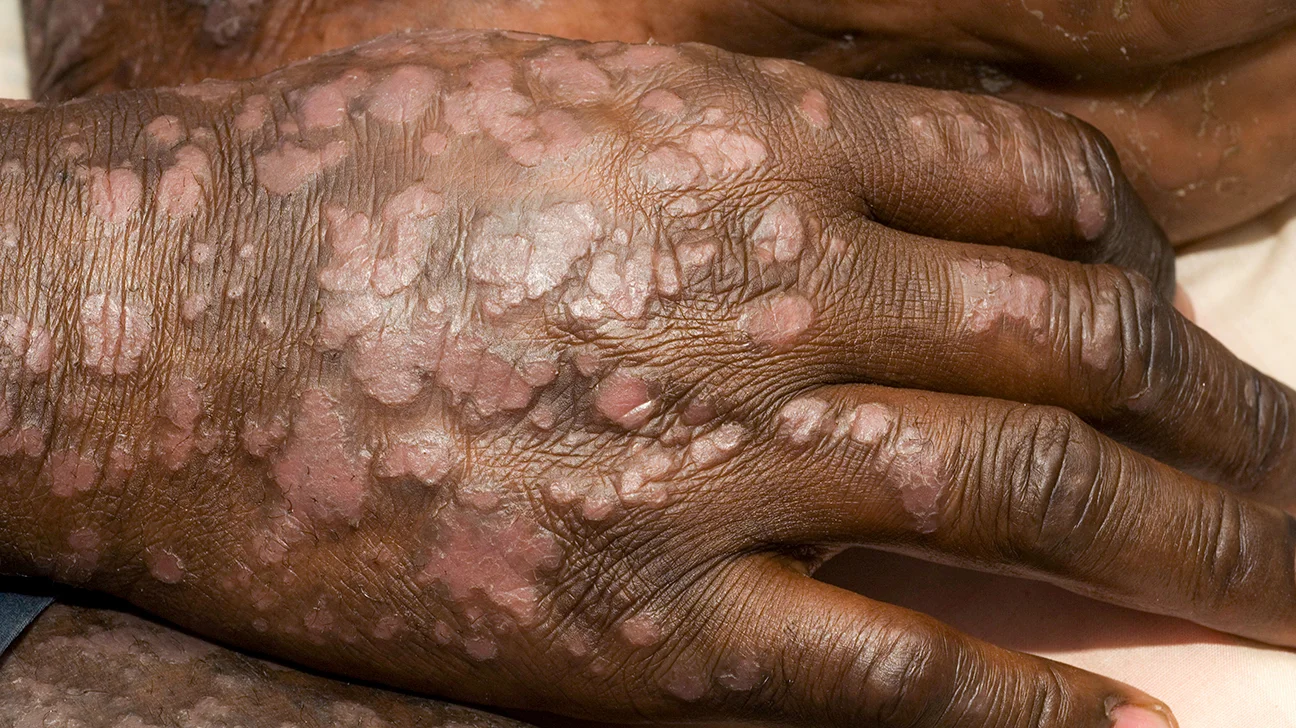
Psoriasis is a chronic skin condition that causes red, scaly patches on your skin. It can affect any part of your body, but it often occurs on the elbows, knees, scalp, and lower back. Psoriasis is not contagious, but it can be uncomfortable and affect your quality of life.
Advertisement
Many people wonder if psoriasis can be cured permanently. The short answer is no. Psoriasis is an autoimmune disease, which means your immune system mistakenly attacks your healthy cells. This triggers inflammation and rapid growth of skin cells, leading to the formation of plaques.
There is no permanent cure for psoriasis, but there are treatments that can help you manage your symptoms and prevent flare-ups. These treatments include:

Topical treatments: These are creams, ointments, gels, or lotions that you apply directly to your skin. They can reduce inflammation, itching, scaling, and redness. Some common topical treatments are corticosteroids, vitamin D analogues, retinoids, calcineurin inhibitors, salicylic acid, coal tar, and roflumilast.
Advertisement
Phototherapy: This is a type of light therapy that exposes your skin to ultraviolet (UV) rays. UV rays can slow down the growth of skin cells and improve the appearance of plaques. Phototherapy can be done in a doctor’s office or at home with a special device.
Systemic treatments: These are oral or injected medications that affect your whole body. They are usually reserved for moderate to severe psoriasis or when topical treatments and phototherapy are not enough. Some common systemic treatments are methotrexate, cyclosporine, acitretin, apremilast, and fumaric acid esters.
Biologic treatments: These are a type of systemic treatment that targets specific parts of your immune system that are involved in psoriasis. They can reduce inflammation and prevent skin cell overgrowth. Some common biologic treatments are adalimumab, etanercept, infliximab, ustekinumab, secukinumab, ixekizumab, brodalumab, guselkumab, tildrakizumab, risankizumab, bimekizumab, and mirikizumab.
Leave a Reply