

Psoriasis is a chronic skin condition that causes red, scaly patches on different parts of the body. It can be painful, and itchy and affect your quality of life.
Advertisement
Psoriasis is not contagious and has no cure, but some treatments can help you manage the symptoms and prevent flare-ups. There are five main types of psoriasis, each with its characteristics and triggers. Here is a brief overview of each type:
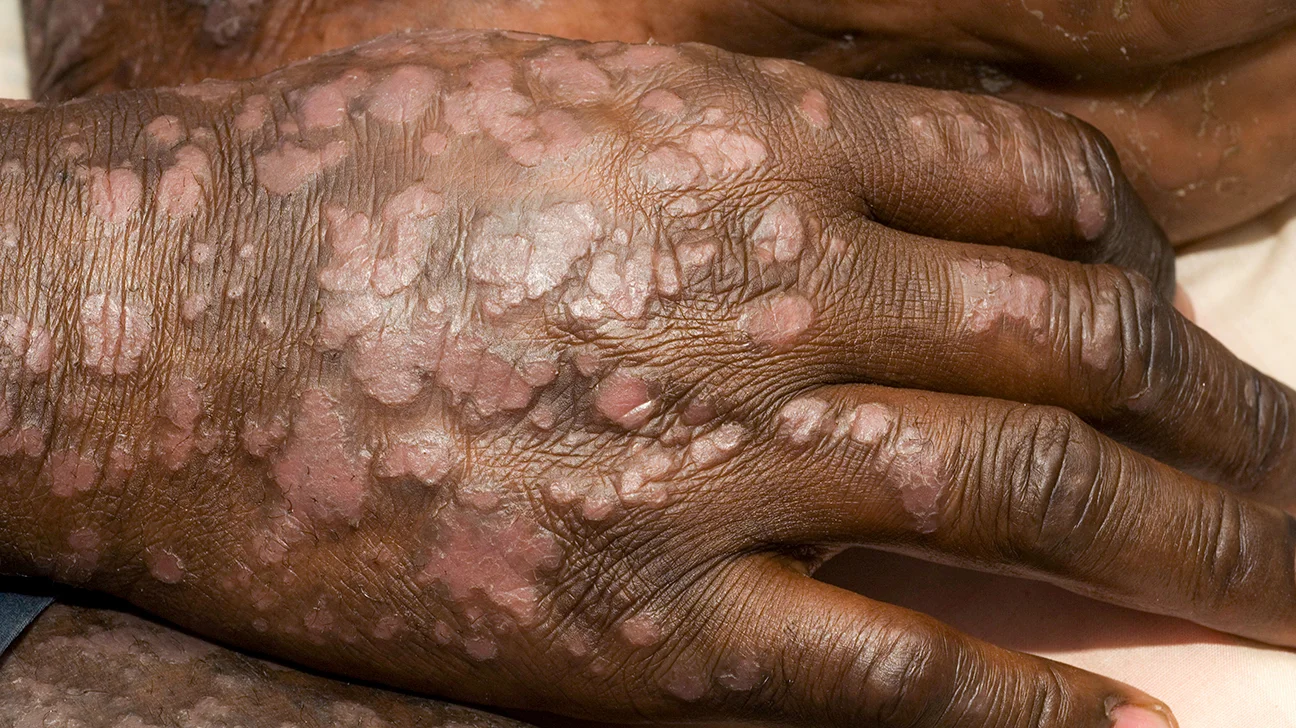
Plaque psoriasis: This is the most common type, affecting about 80% of people with psoriasis. It causes raised, inflamed, red patches covered with silvery scales. They can appear anywhere on the body but are more common on the elbows, knees, lower back, and scalp. The patches can be itchy and sore and may crack and bleed. Plaque psoriasis can be triggered by stress, skin injury, infections, certain medications, and cold weather.
Guttate psoriasis: This type affects about 8% of people with psoriasis, mostly children and young adults. It causes small, pink-red spots that look like drops on the skin. They usually appear on the trunk, upper arms, thighs, and scalp. Guttate psoriasis can be triggered by a bacterial infection, such as strep throat, or by certain medications.
Advertisement
Inverse psoriasis: This type affects the skin folds of the groin, buttocks, and breasts. It causes smooth, red patches that are inflamed and may worsen with friction and sweating. Inverse psoriasis can be triggered by fungal infections or by obesity.
Pustular psoriasis: This is a rare type that causes pus-filled blisters on the skin. It can occur in widespread patches or small areas of the palms or soles. Pustular psoriasis can be triggered by stress, infections, certain medications, or exposure to chemicals.
Erythrodermic psoriasis: This is the most severe type of psoriasis, affecting less than 3% of people with psoriasis. It causes widespread redness, scaling, and peeling of the skin. It can cause severe itching, pain, and fever. Erythrodermic psoriasis can be triggered by severe sunburn, infections, certain medications, or withdrawal from systemic treatments.
If you have any signs or symptoms of psoriasis, you should see a dermatologist for diagnosis and treatment. Psoriasis can affect your physical and mental health, so it is important to get proper care and support.
Leave a Reply