

Psoriasis is an autoimmune disease, which means that your immune system mistakenly attacks your own healthy cells. This triggers a rapid growth of skin cells that pile up on the surface of your skin, forming plaques. Psoriasis is not contagious, but it can run in families.
Advertisement
There is no cure for psoriasis, but there are treatments that can help manage the symptoms and prevent flare-ups. Some of the treatments include topical creams, oral medications, injections, and light therapy. The type of treatment depends on the severity and location of your psoriasis.
Advertisement
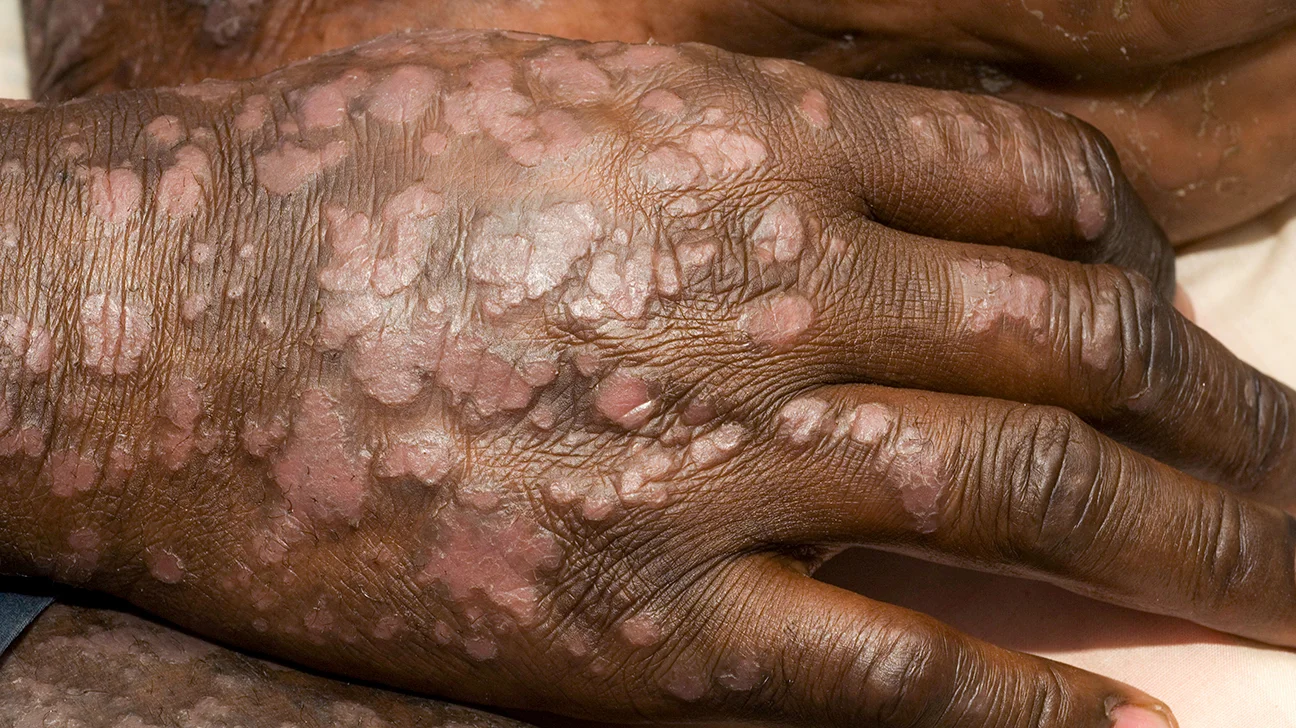
Psoriasis can last for a lifetime, but it may go through cycles of remission and relapse. Some people may have mild symptoms that come and go, while others may have severe symptoms that persist for years. The duration and frequency of psoriasis episodes vary from person to person.
Some factors that can trigger or worsen psoriasis include infections, stress, injuries, smoking, alcohol, obesity, certain medications, and cold weather. Avoiding these triggers can help reduce the risk of flare-ups and improve your quality of life.
Psoriasis can also affect your mental and physical health in other ways. Some people with psoriasis may develop psoriatic arthritis, which causes joint pain and inflammation. Psoriasis can also increase the risk of other conditions such as diabetes, heart disease, depression, and anxiety.
Leave a Reply