

Psoriasis is a chronic skin condition that causes patches of scaly, itchy, and inflamed skin. It can affect any part of the body, but it is more common on the elbows, knees, scalp, and nails.
Advertisement
Psoriasis is not contagious, but it can hurt the quality of life of people who have it. Some of the common signs and symptoms of psoriasis are:
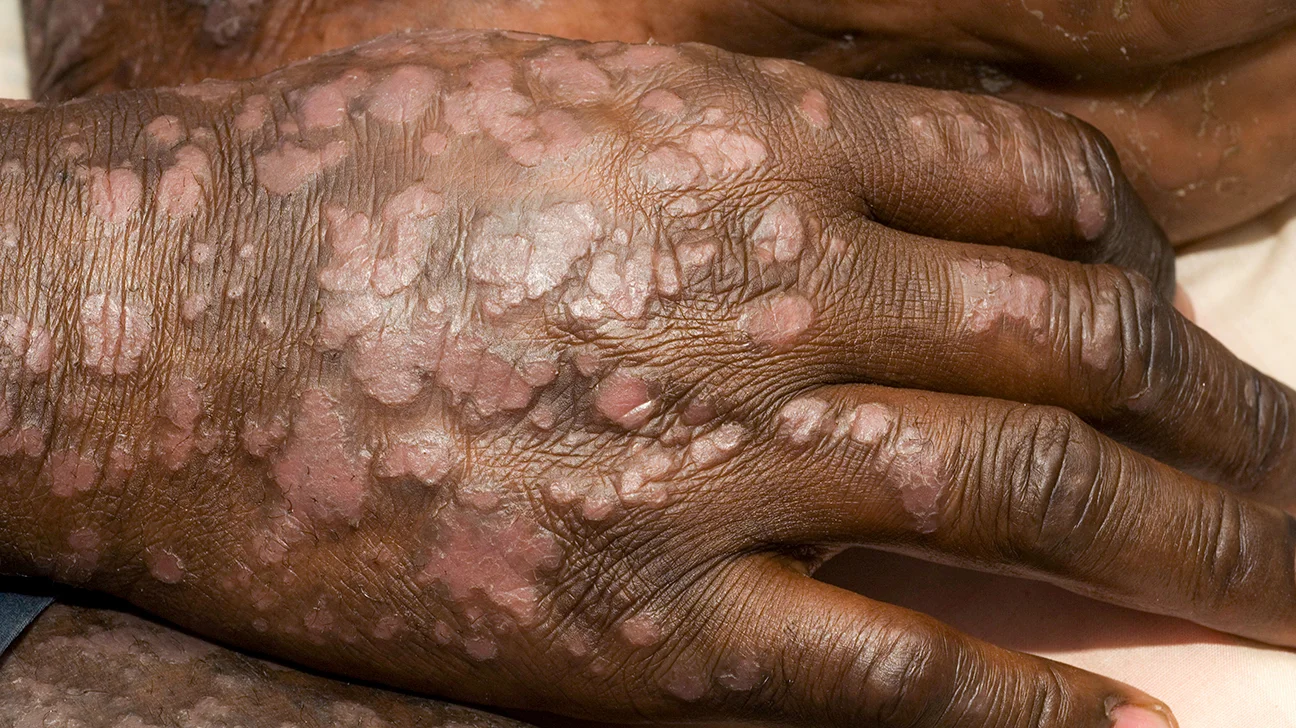
- Red patches with thick, silvery scales that may range from a few spots to large areas of scaly patches
- Small scaling spots, commonly seen in children
- Dry, cracked skin that may bleed
- Itching, burning, or soreness in the affected areas
- Thick, pitted, or ridged nails that may loosen or crumble
- Swollen joints with stiffness
The exact cause of psoriasis is not known, but it is believed to be related to an abnormal immune system response that triggers inflammation and rapid growth of skin cells. Psoriasis can also affect other organs in the body, such as the eyes, liver, kidneys, heart, and lungs. Some of the possible complications of psoriasis are:
Advertisement
- Eye conditions, such as conjunctivitis, blepharitis, and uveitis, which can cause redness, irritation, dryness, and vision problems
- Metabolic syndrome, which is a cluster of conditions that increase the risk of diabetes, heart disease, and stroke. These conditions include high blood pressure, high cholesterol, high blood sugar, and excess abdominal fat
- Cardiovascular diseases, such as irregular heartbeat, atherosclerosis (hardening of the arteries), and heart failure
- Autoimmune diseases, such as Crohn’s disease (a type of inflammatory bowel disease), rheumatoid arthritis (a type of joint inflammation), and lupus (a condition that affects the skin, joints, and organs)
- Kidney disease, which can impair the ability of the kidneys to filter waste and fluids from the blood
- Depression, which can result from the emotional stress and social stigma of having a visible skin condition
Leave a Reply