

Nestled in the heart of Kings County, California, the city of Corcoran has not only made its mark as the site of the California State Prison but also stands out for its thriving agricultural landscape. As an integral part of the Central Valley, Corcoran boasts a diverse range of crops that contribute significantly to the region’s agricultural vitality. Let’s explore the bountiful harvests that grace the fields of Corcoran and the role they play in shaping the city’s agricultural identity.
Advertisement
Corcoran’s Agricultural Tapestry: With a population of 24,813 (up from 14,458), Corcoran is strategically positioned 17 miles south-southeast of Hanford, showcasing an elevation of 207 feet. While the city is renowned for its correctional facilities, it is equally celebrated for its robust agricultural sector, which plays a pivotal role in the local economy.
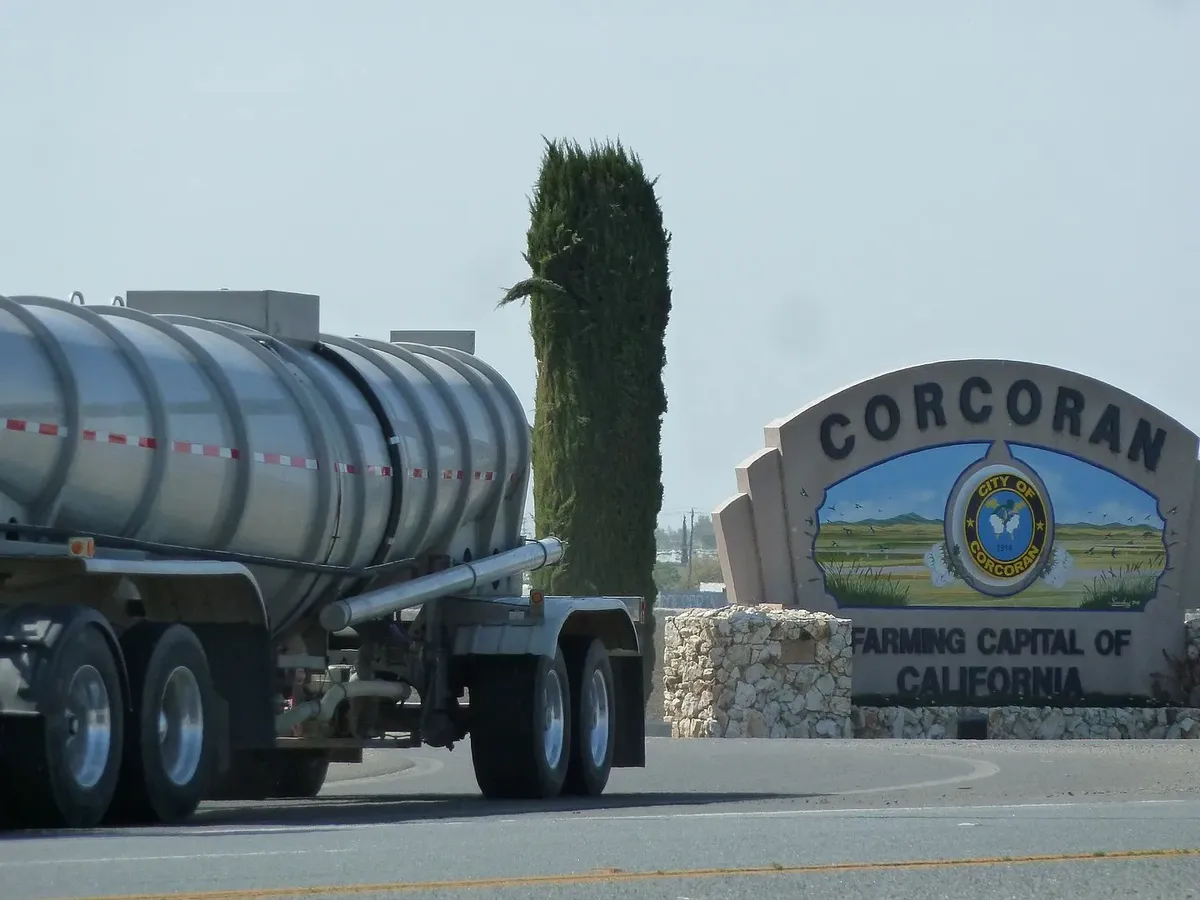
Primary Crops in Corcoran: Corcoran’s fields are adorned with a variety of crops, each contributing to the rich agricultural tapestry of the region. Among the primary crops cultivated in Corcoran, Pima cotton takes center stage. Known for its high-quality fibers, Pima cotton is a valuable commodity that finds its way into various textile products.
In addition to Pima cotton, alfalfa hay thrives in Corcoran’s fertile soils. This nutrient-rich forage crop is crucial for livestock, providing essential nourishment to cattle and other animals in the area. The cultivation of alfalfa hay underscores Corcoran’s role in supporting both local and regional livestock industries.
Advertisement
The city’s agricultural landscape also includes vibrant fields of tomatoes. These versatile and nutritious fruits are not only a staple in the local diet but also contribute to the broader food supply chain, with Corcoran serving as a key player in California’s tomato production.
Wheat is another significant crop grown in Corcoran. This staple grain holds economic importance and contributes to the city’s overall agricultural output. As part of the region’s commitment to diversification, the cultivation of wheat complements the other crops, creating a balanced and sustainable agricultural ecosystem.
Employment Opportunities: Corcoran’s dedication to agriculture is reflected in the employment opportunities it provides. Approximately 1200 people are employed in the agricultural sector, contributing their skills and expertise to ensure the success of the city’s crops. This workforce not only sustains the local economy but also plays a vital role in maintaining Corcoran’s position as an agricultural hub in the Central Valley.
Interplay with the Prison Industry: While agriculture takes center stage, Corcoran’s industrial landscape is further enriched by the presence of state prisons. The interplay between agriculture and the prison industry contributes to the city’s economic resilience and diverse employment opportunities.
Corcoran, with its vibrant agricultural landscape, stands as a testament to the harmony between nature’s bounty and human industry. From Pima cotton to alfalfa hay, tomatoes, and wheat, the city’s fields are a canvas painted with the colors of a thriving agricultural community. As Corcoran continues to cultivate success in its fields, it remains a shining example of the symbiotic relationship between the land, its people, and the diverse crops that grace its fertile soils.
Leave a Reply