

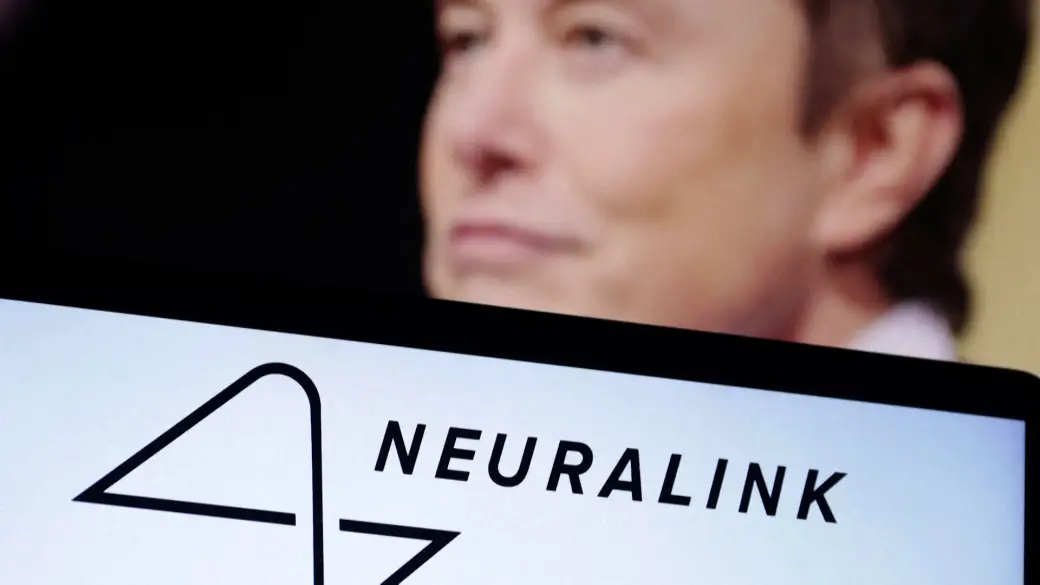
Neuralink is a company that aims to create a generalized brain-computer interface (BCI) that can restore autonomy and unlock human potential. Founded by Elon Musk and a team of scientists and engineers, Neuralink has developed a device that can be implanted in the brain and communicate with a computer or mobile device.
Advertisement
But what are the worries about Neuralink? Some people may have ethical, social, or personal concerns about the idea of merging human brains with machines. Here are some possible issues that could arise from Neuralink’s technology:
Privacy and security: How can we ensure that the data collected by Neuralink is not accessed or misused by hackers, governments or corporations? How can we protect our thoughts, memories, and emotions from being manipulated or exploited by external forces?
Advertisement
Identity and autonomy: How will Neuralink affect our sense of self and agency? Will we still be able to control our own actions and decisions, or will we become dependent on or influenced by the device? Will we lose our individuality or uniqueness, or will we gain new abilities and perspectives?
Ethics and morality: How will Neuralink affect our moral values and judgments? Will we become more compassionate or more selfish, more rational or more emotional, more ethical or more immoral? How will we deal with the potential harms or benefits of Neuralink for ourselves and others?
Society and culture: How will Neuralink affect our relationships and interactions with other people and the environment? Will we become more connected or more isolated, more cooperative or more competitive, more diverse or more homogeneous? How will we cope with the social changes and challenges that Neuralink could bring?
Leave a Reply