
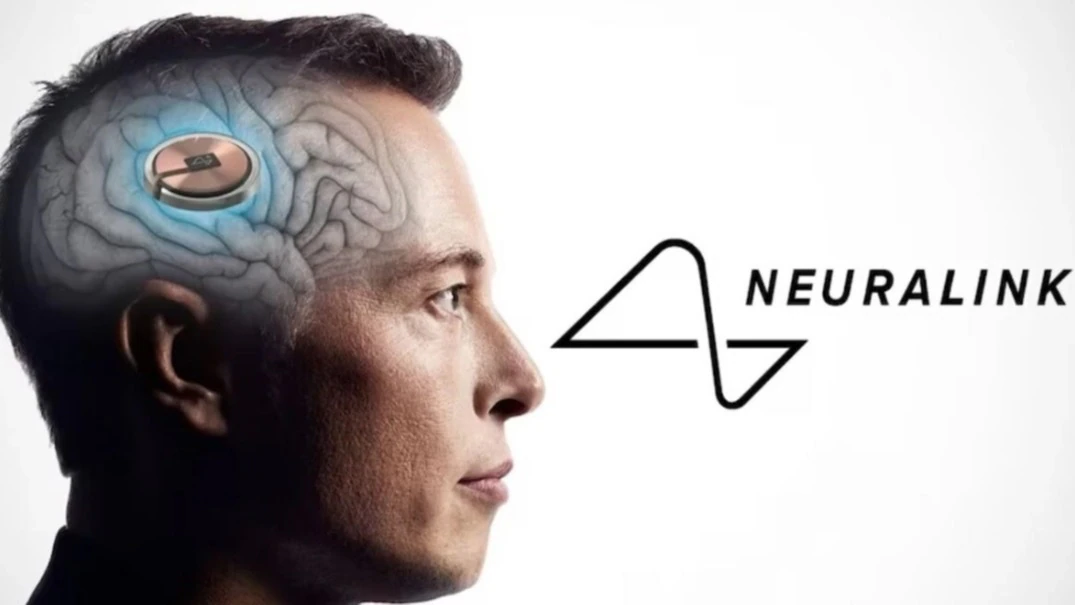
Neuralink is a brain-computer interface (BCI) company founded by Elon Musk, the visionary behind Tesla, SpaceX, and Hyperloop. The company aims to develop a “whole brain interface” that would allow humans to communicate wirelessly with the world and access the internet through their minds.
Advertisement
Neuralink claims that its technology could have many benefits, such as restoring impaired senses and mobility, revolutionizing communication, enhancing creativity and problem-solving, and merging human intelligence with artificial intelligence.

However, Neuralink also faces many challenges and risks that should not be overlooked. In this blog post, we will explore some of the potential disadvantages of Neuralink and why we should be cautious about its implications for our society and ourselves.
1. Potential for infection, injury, or side effects
One of the main drawbacks of Neuralink is the possibility of causing harm to the brain or the body. Although Neuralink intends to use minimally invasive surgical techniques, there is a possibility of infection, damage to neural tissue, or even unforeseen side effects. Extensive research and rigorous safety protocols must be implemented to mitigate these risks effectively.
Advertisement
2. Potential for misuse and abuse
Another disadvantage of Neuralink is that it may be abused by people who want to control others or steal information from them. For example, hackers could try to access or manipulate someone’s neural data, or governments could use Neuralink to monitor or influence people’s thoughts and behaviors.
Moreover, Neuralink could create new forms of addiction, anxiety, or depression if people become too dependent on it or lose their sense of identity. Therefore, ethical and legal frameworks must be established to protect people’s privacy and autonomy.
3. Potential for social and ethical dilemmas
A third disadvantage of Neuralink is that it may create new social and ethical dilemmas that challenge our existing values and norms. For instance, Neuralink could raise questions about what it means to be human, how we relate to each other and other species, and how we define intelligence, consciousness, and morality.
Furthermore, Neuralink could widen the gap between the rich and the poor, as not everyone may have access to or afford the technology. Additionally, Neuralink could pose threats to human diversity, creativity, and culture if it homogenizes our thoughts and expressions. Therefore, public dialogue and education must be encouraged to foster awareness and understanding of the potential impacts of Neuralink.
Leave a Reply