
Marina Abramović and Ulay, originally known as Frank Uwe Laysiepen, formed one of the most iconic partnerships in the history of contemporary art.
Advertisement
Their collaborative and deeply personal relationship produced groundbreaking performances that pushed the boundaries of artistic expression and challenged the conventional norms of the art world.
The artistic collaboration between Abramović and Ulay spanned over a decade, beginning in the late 1970s. During this period, the duo embarked on a series of daring and often physically demanding performances that explored themes of identity, relationships, and the limits of the human body.
Together, they created works that have since become legendary, solidifying their status as trailblazers in the field of performance art.
One of their most notable collaborative pieces was “Rest Energy” in 1980, where the artists balanced a bow and arrow against each other’s hearts, creating a tension-laden tableau that encapsulated the precariousness of human relationships.
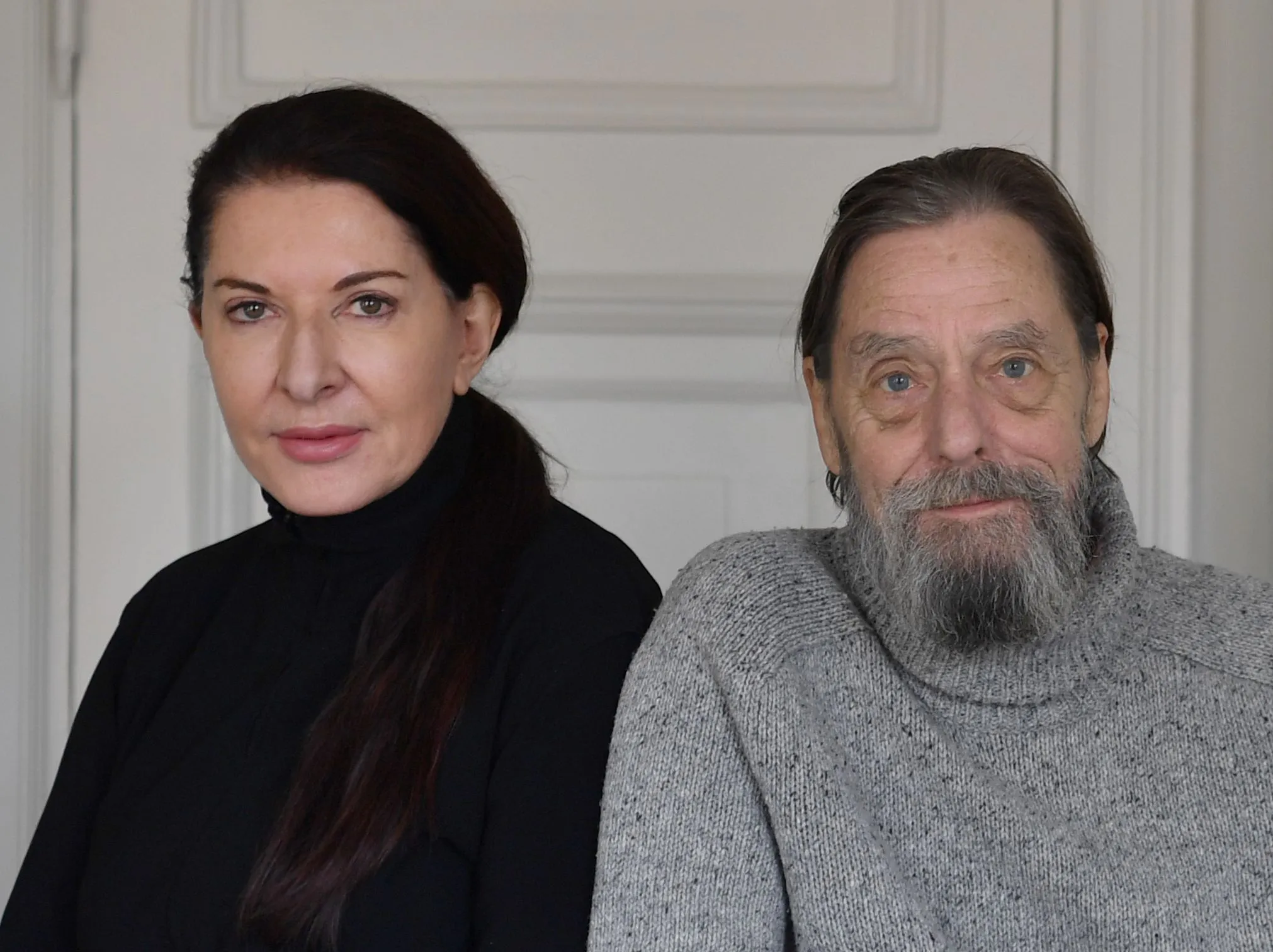
Another iconic work, “The Lovers: The Great Wall Walk” (1988), involved Abramović and Ulay starting from opposite ends of the Great Wall of China and meeting in the middle, symbolizing the union and separation inherent in romantic partnerships.
Advertisement
However, as with many intense partnerships, the relationship between Abramović and Ulay eventually faced challenges.
The culmination of their personal and artistic journey occurred with a performance titled “The Lovers” in 1988, where they walked towards each other from opposite ends of the Great Wall of China, met in the middle, and parted ways, symbolizing the end of their romantic and artistic collaboration.
The separation was more than symbolic, as it marked the end of their romantic relationship and their professional partnership. After “The Lovers,” Abramović and Ulay chose different paths in both life and art.
The artistic breakup was emotionally charged and fueled by the intensity of their shared experiences and the toll of such an intimate collaboration.
In later years, the relationship between Abramović and Ulay underwent legal disputes over the rights to their collaborative works. These legal battles centered on issues of authorship, ownership, and the legacy of their joint artistic endeavors.
Despite the challenges and legal complexities, the collaboration between Marina Abramović and Ulay left an indelible mark on the history of performance art. Their daring and intimate works continue to be studied, celebrated, and remembered as pivotal moments in the evolution of contemporary artistic expression.
Leave a Reply